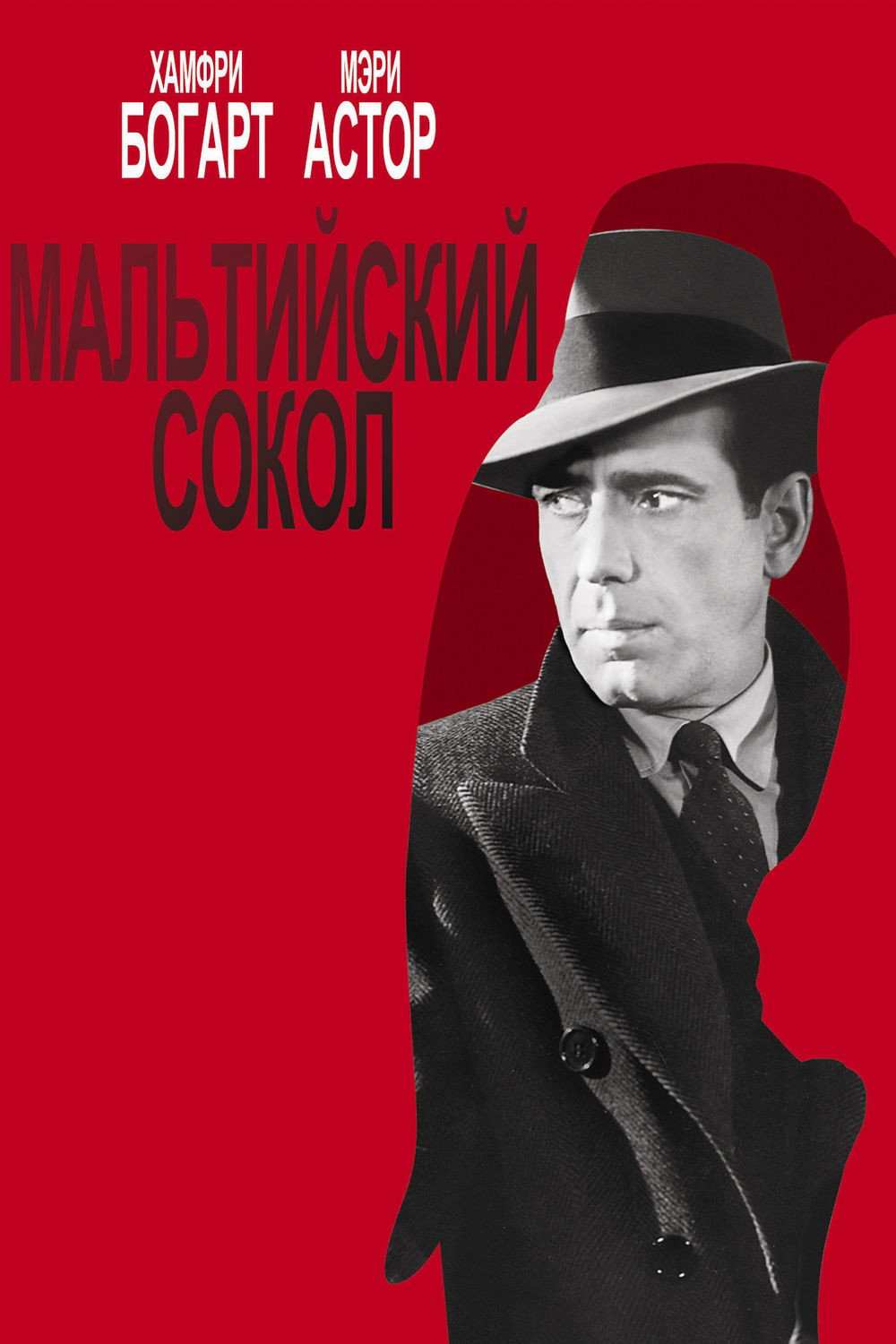
The Maltese Falcon
A black-and-white detective film is your way into the golden age of film noir, and these are worth streaming online for one thing: the mood — rain-slick streets, cigarette smoke, a private eye and a femme fatale you can't trust. This collection gathers the crime classics of the 1930s–50s, where intrigue matters more than chases.
Inside are the genre benchmarks: The Maltese Falcon with Humphrey Bogart, The Third Man, Double Indemnity, The Big Sleep and Orson Welles's Touch of Evil. Beside them sit the less obvious but equally strong — Out of the Past, Laura, Kubrick's The Killing and the German M. Almost all were shot before 1960, and almost all are masterclasses in direction.
Put one on at night if you love slow suspense and stylish images over special effects. Here black-and-white isn't age, it's a tool: light and shadow built to unsettle.
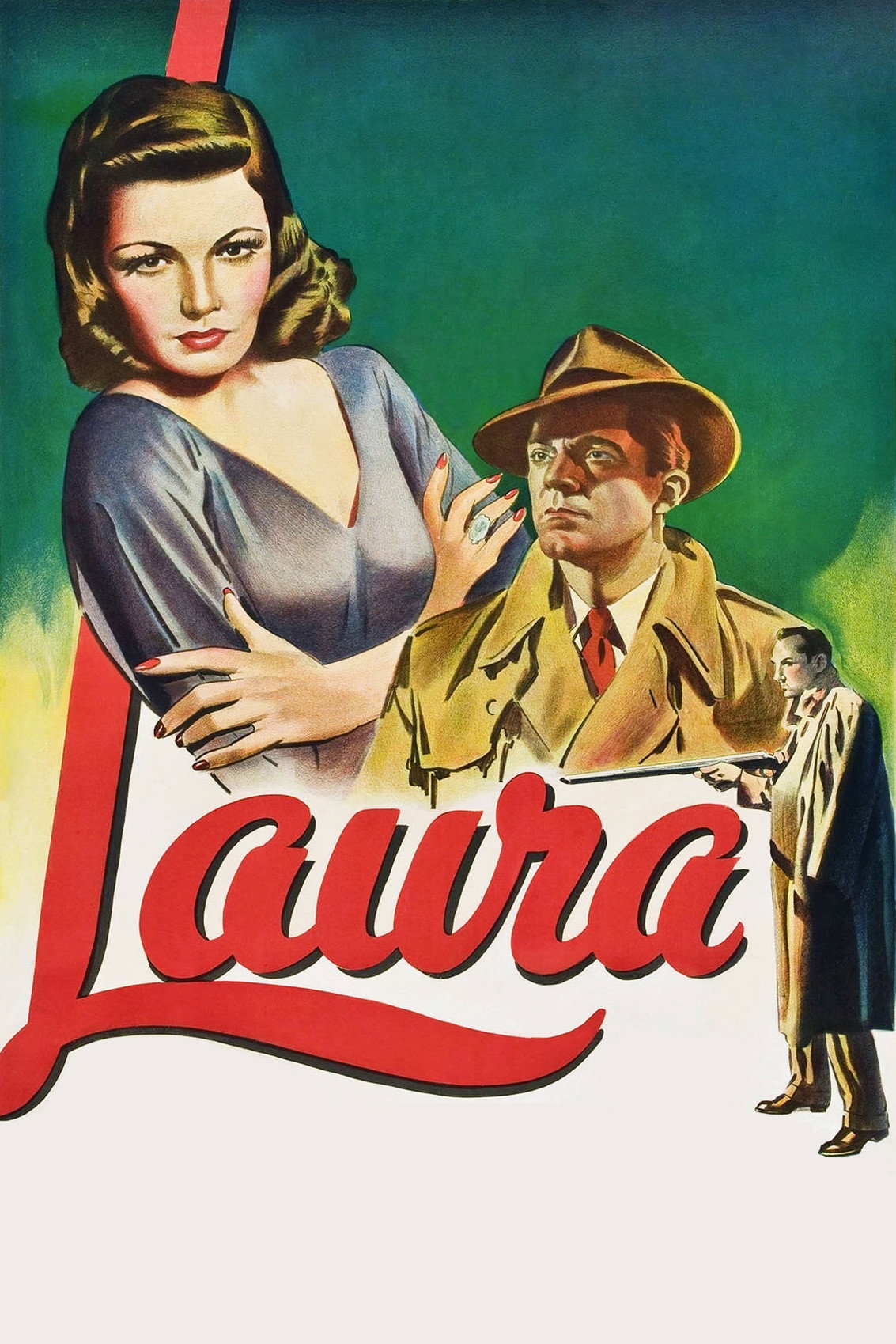
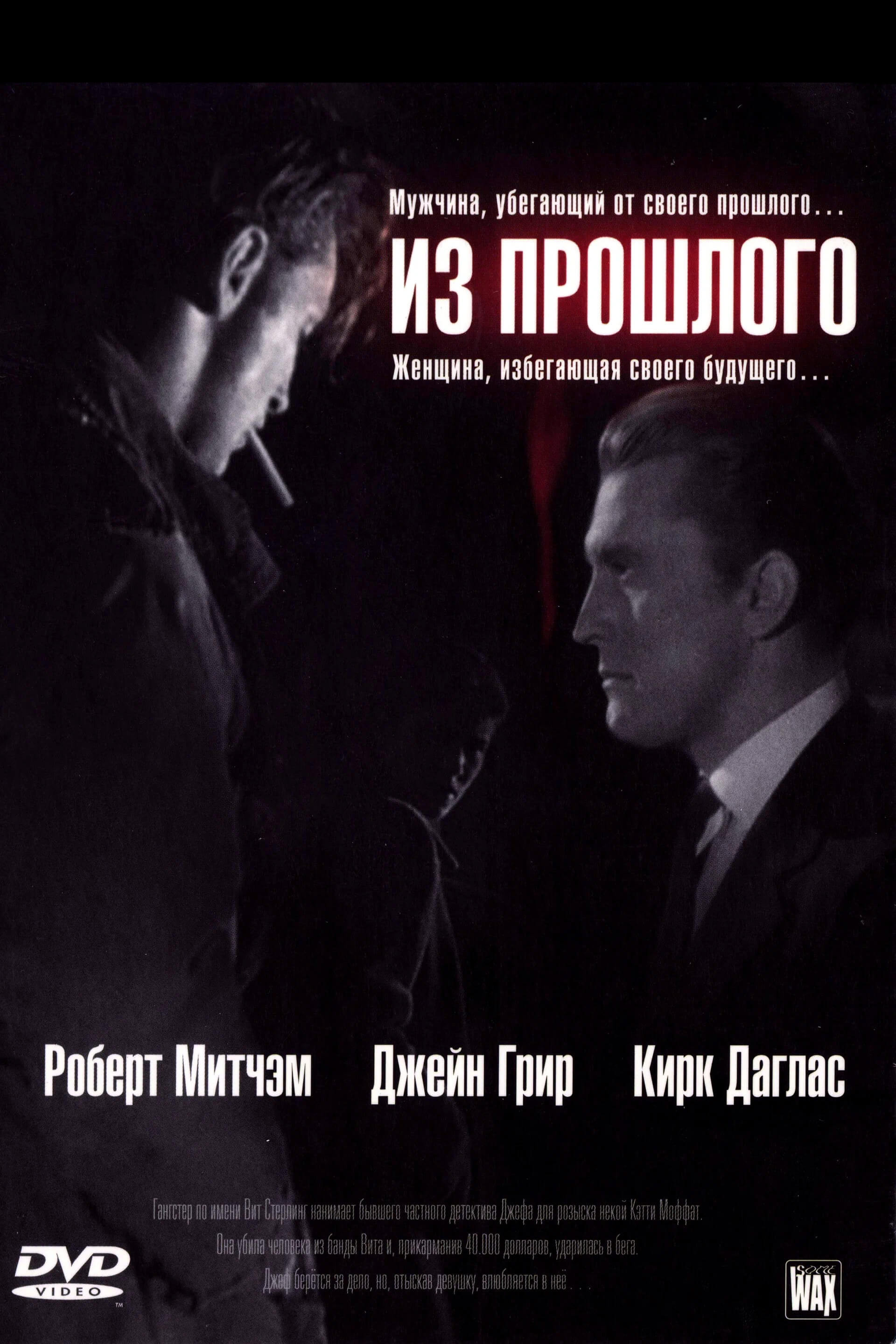
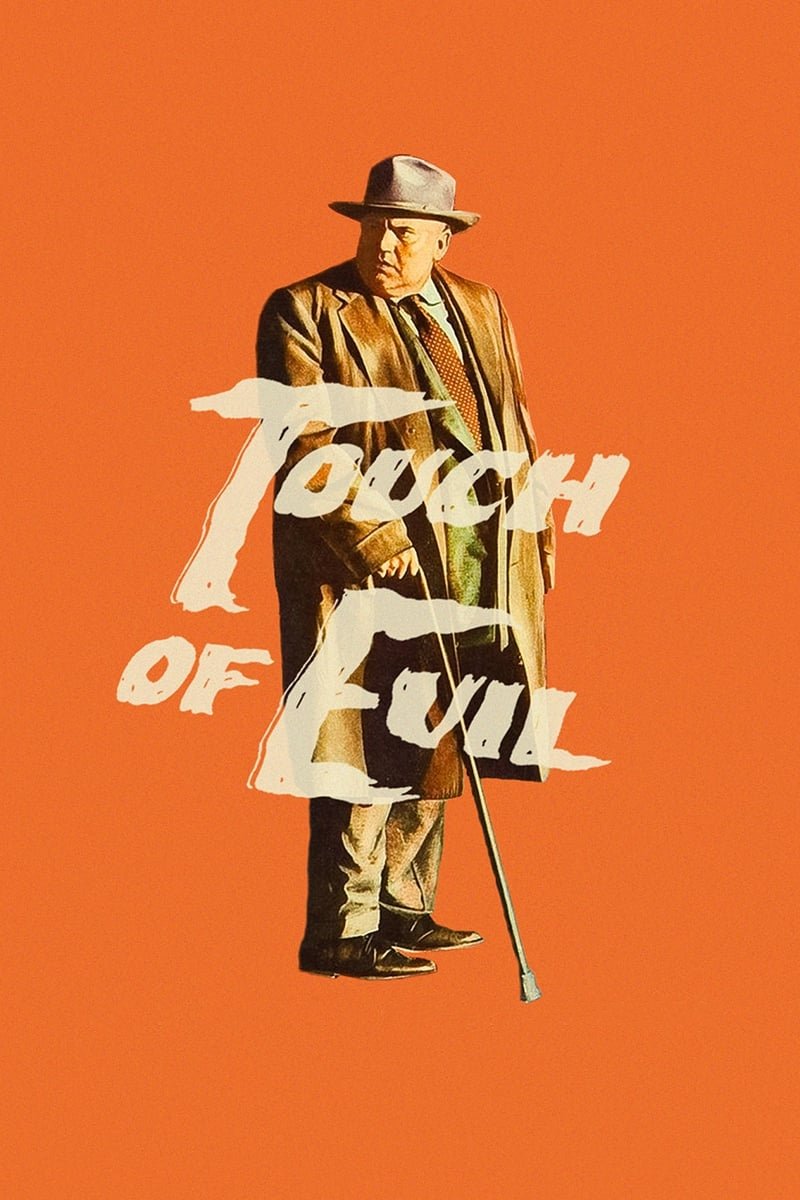
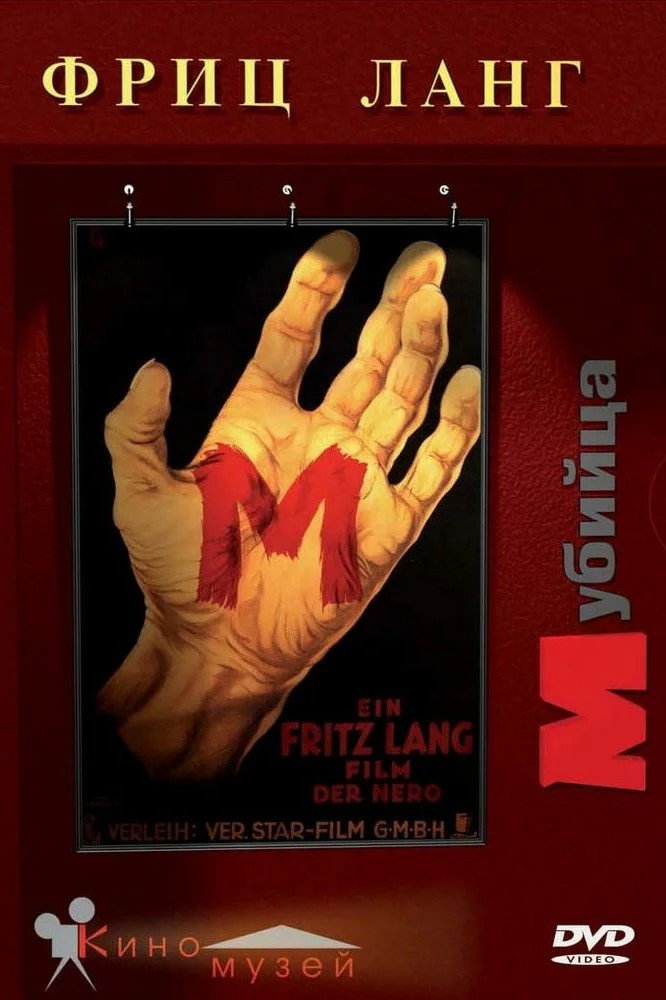
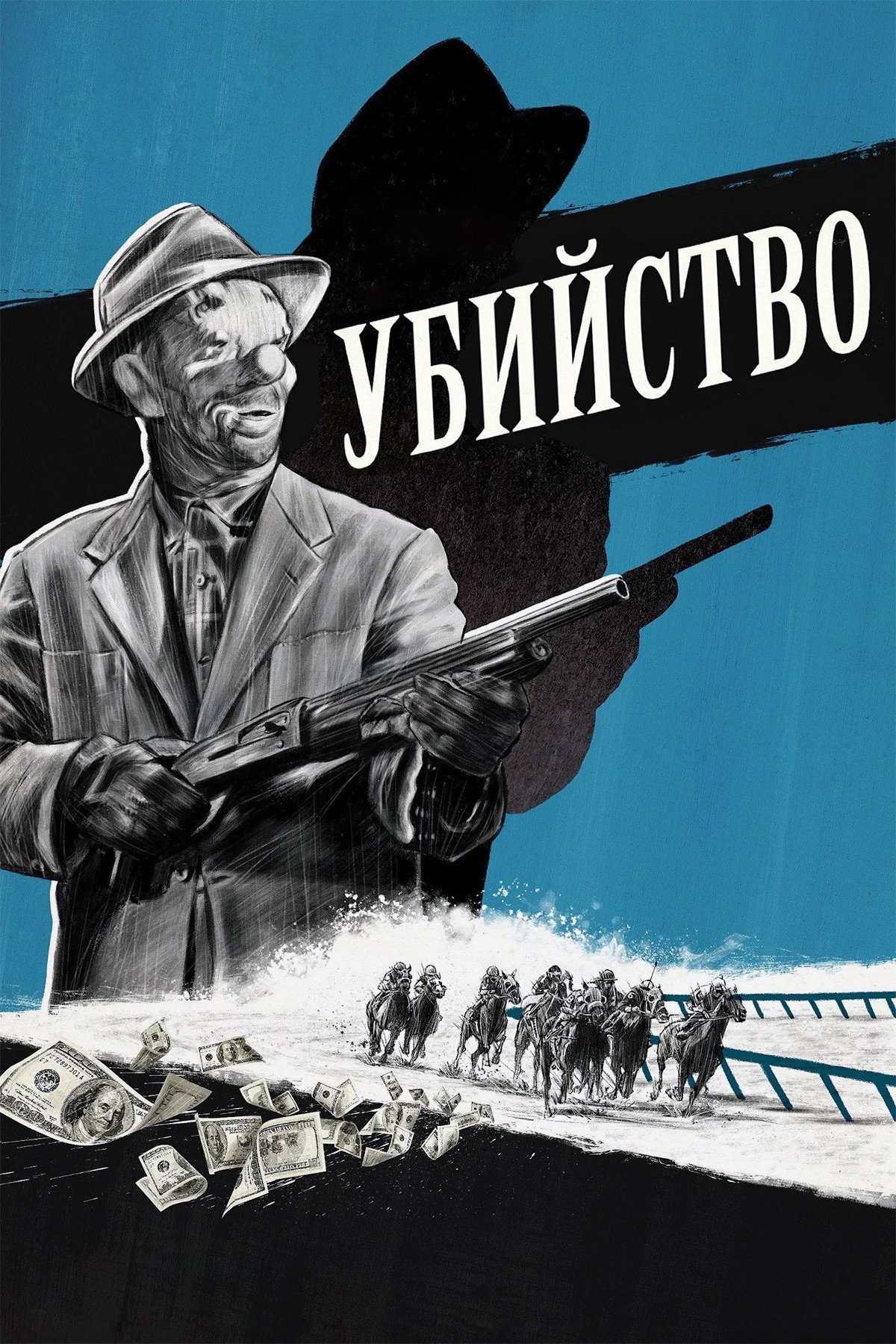
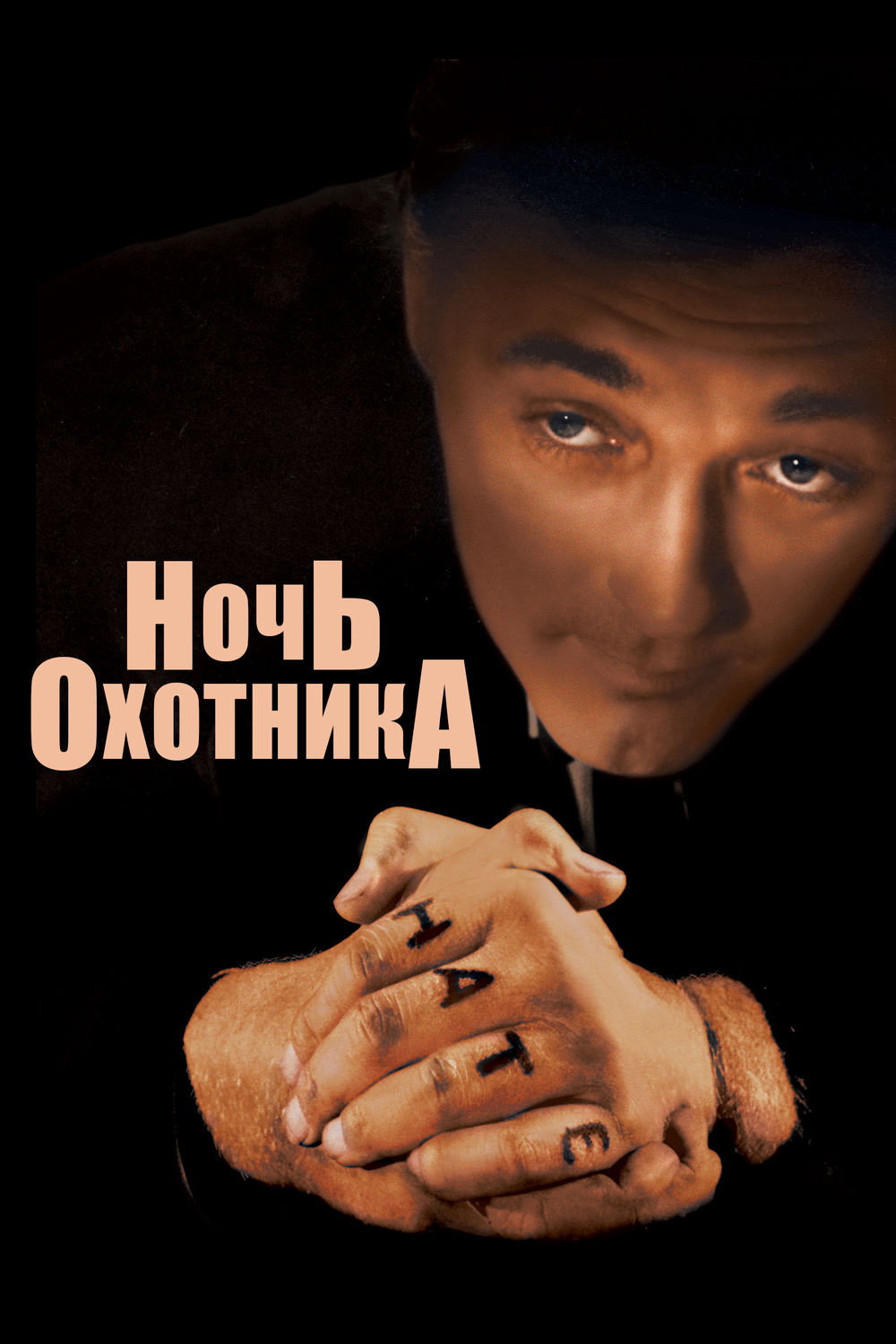
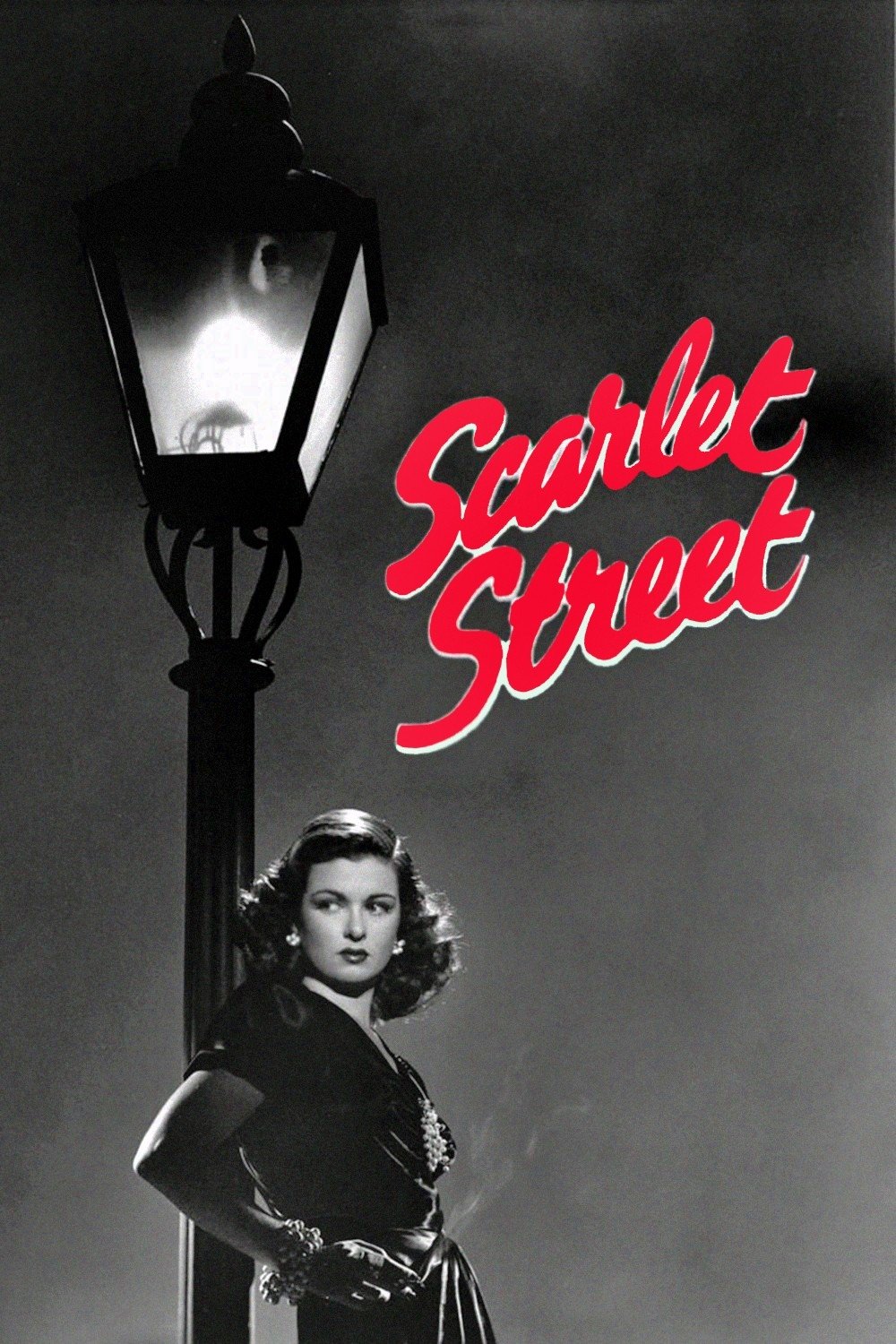
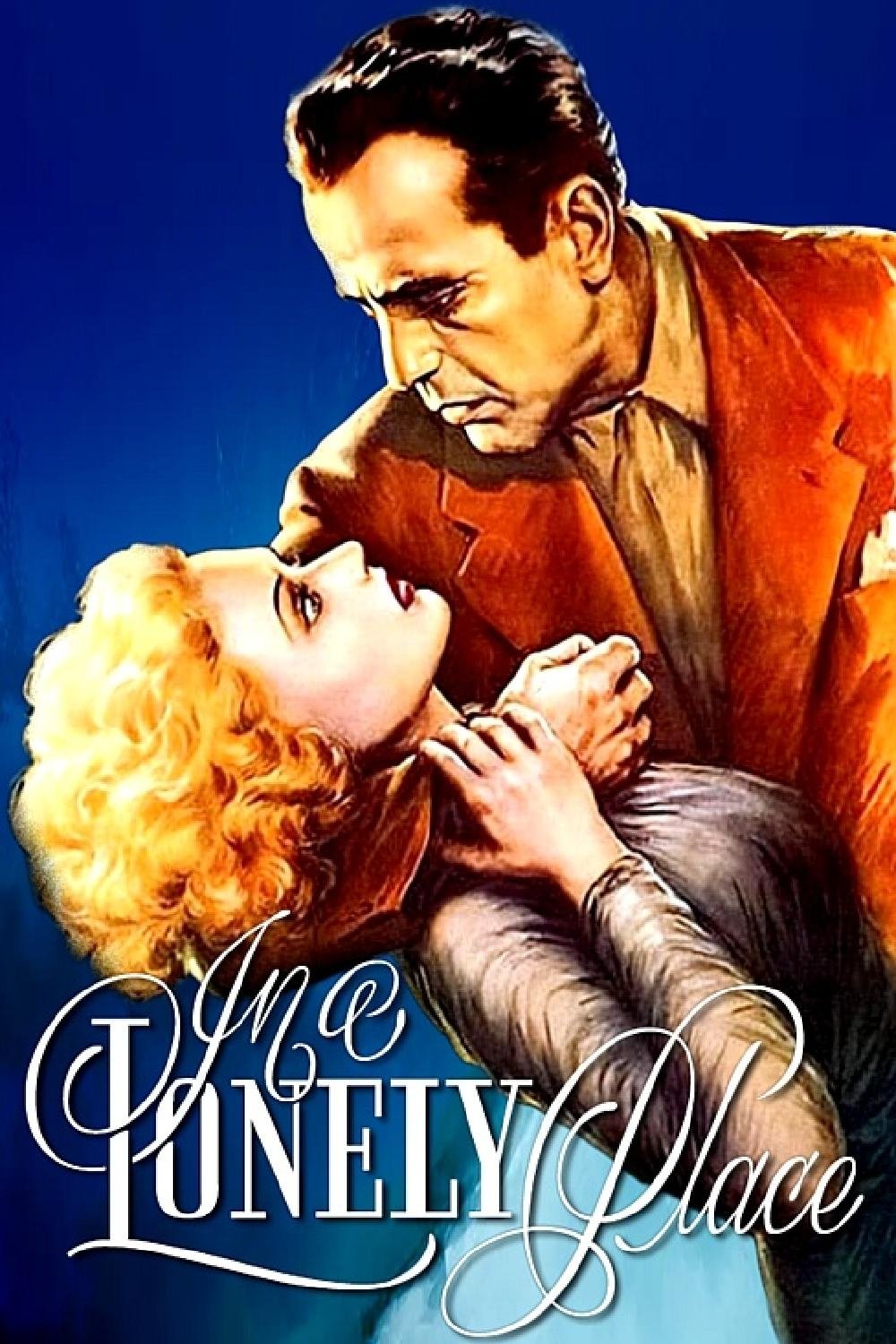
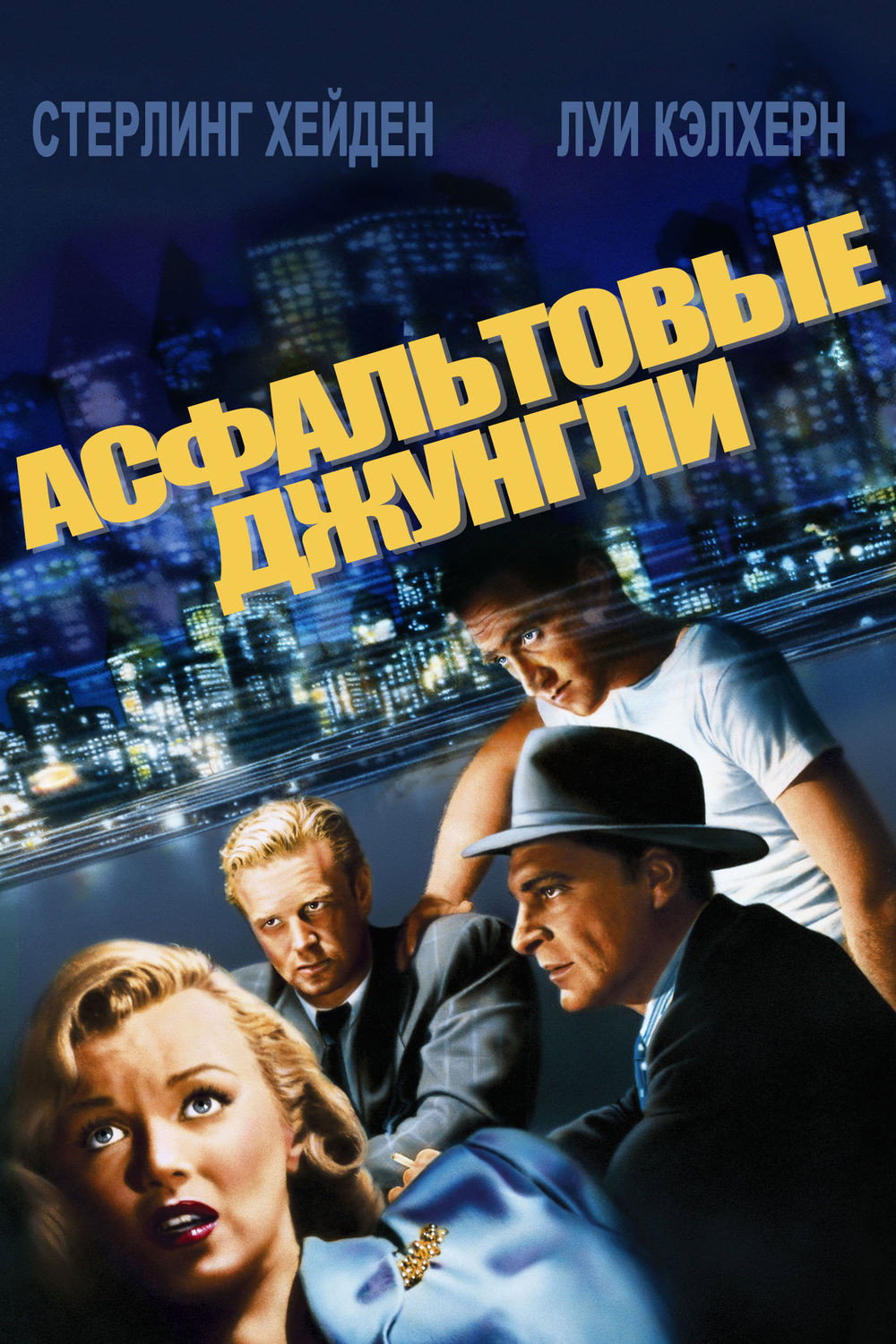
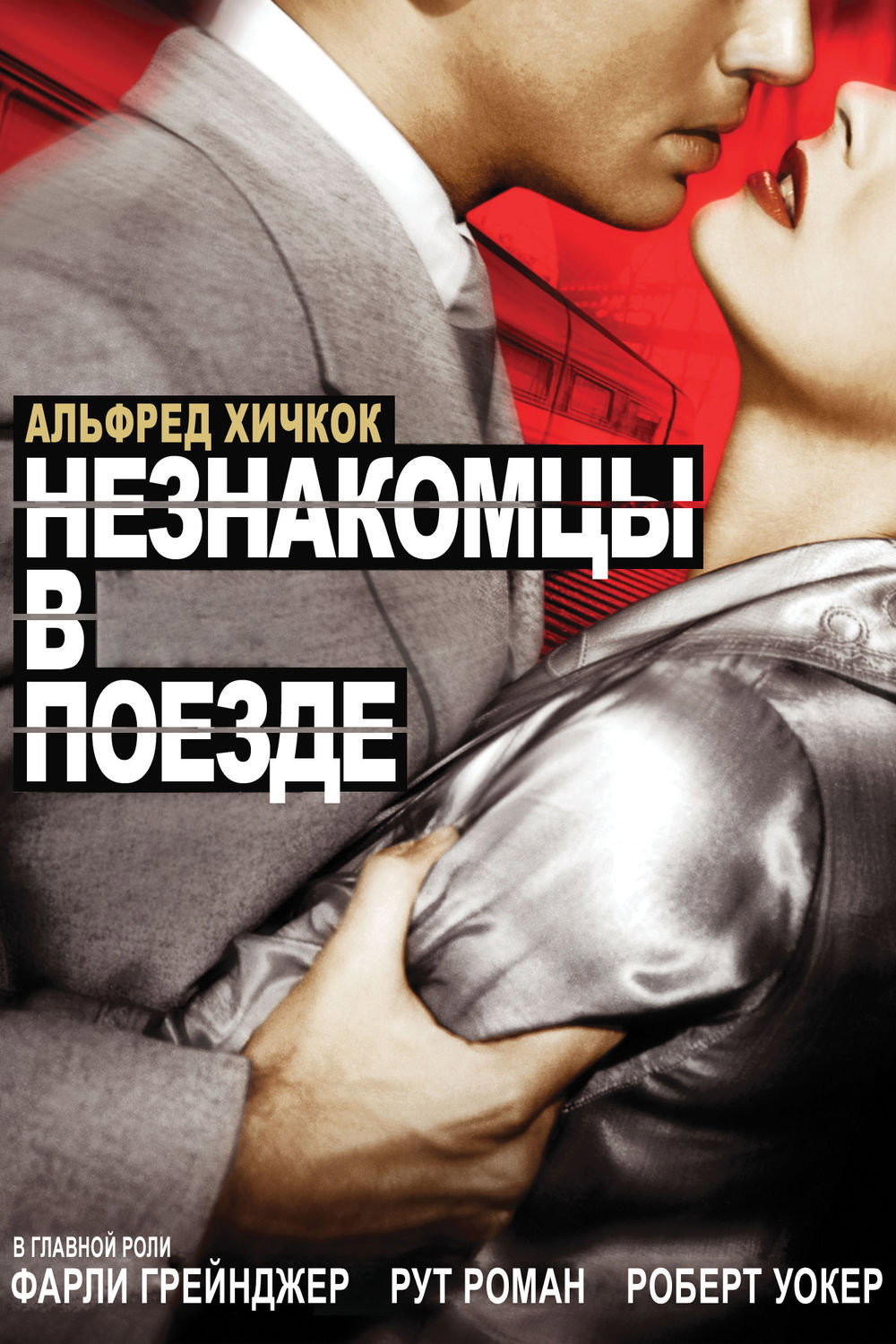
Noir isn't a genre in the strict sense — it's a way of seeing the world. Film noir is French for "black film," and that is what critics called the Hollywood crime cinema of the 1940s–50s: stories of weak people, dark motives and a fate you cannot escape. Black-and-white stock wasn't a limitation here but the main tool — hard shadows, bars of light through the blinds, faces half in darkness. That is why the classic detective of those years still feels fresh: the beauty of the frame does not age.
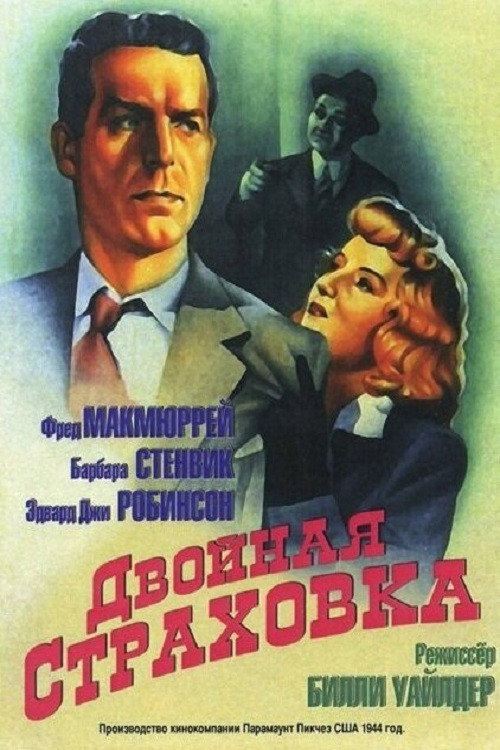
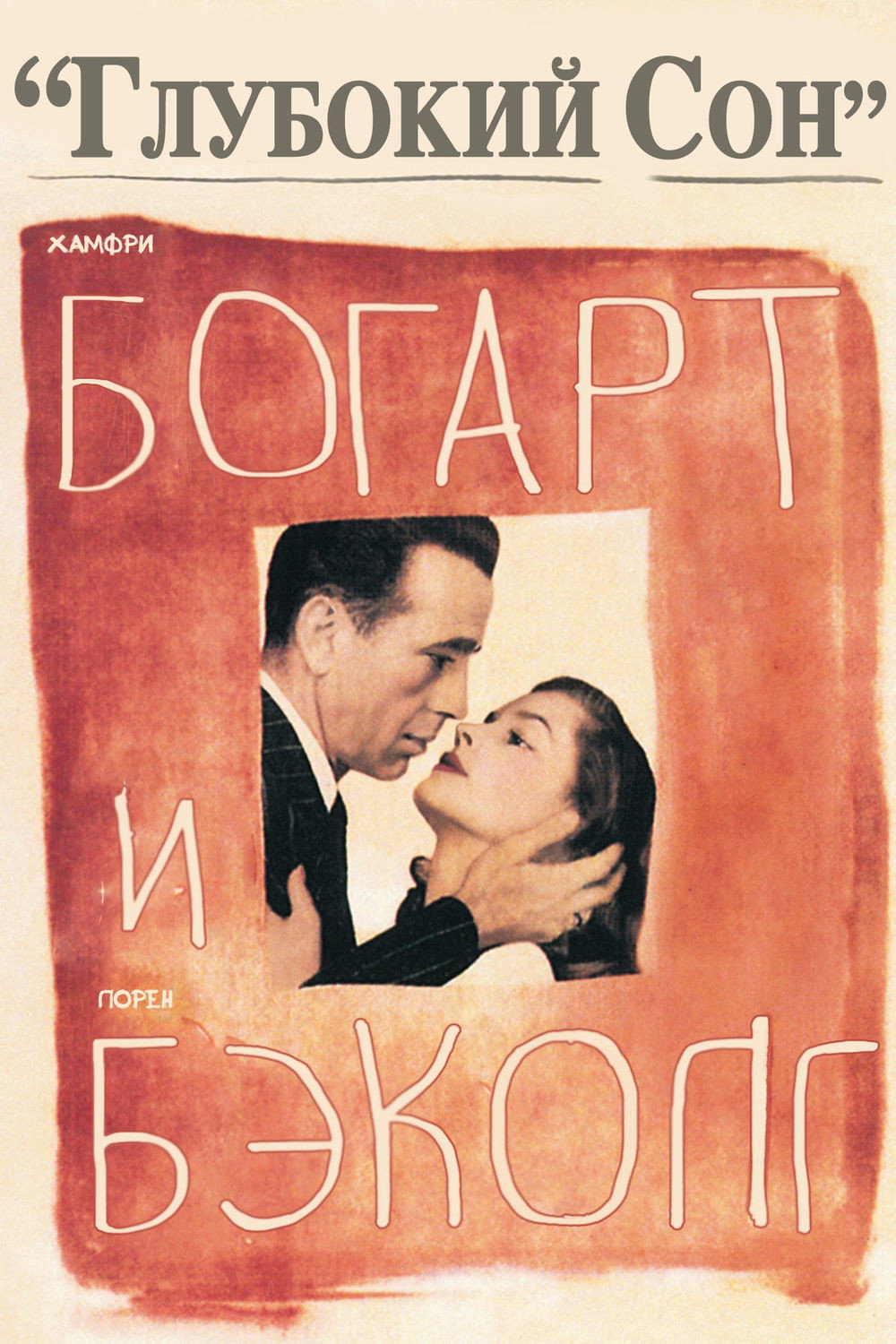
The genre's frame was set by The Maltese Falcon (1941): private eye Sam Spade, a tangled case and a fatal beauty you must not trust. Bogart also played the other great detective, Philip Marlowe, in The Big Sleep. But noir quickly moved beyond the detective: Double Indemnity sees the crime through the killer's own eyes, while Out of the Past and Scarlet Street are about men undone by desire. The woman in these films is more dangerous than any revolver.
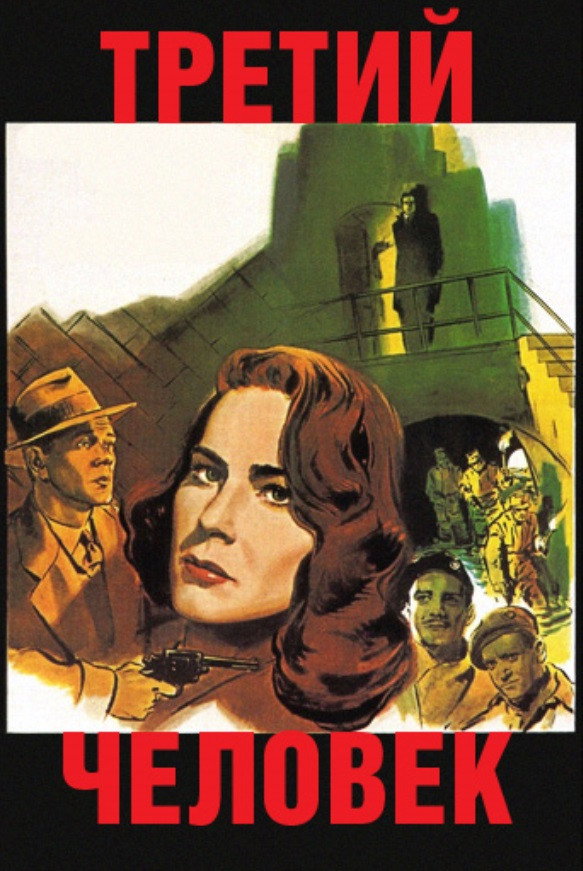
Noir flourished in Hollywood, but its roots are European. Fritz Lang's German M was shot back in 1931 and already has it all: the hunt for a killer, a city in fear, moral ambiguity. The Third Man moves the intrigue to post-war Vienna, and Orson Welles wrings everything from the camera in Touch of Evil. Even Kubrick began with noir — his The Killing, about a perfect heist gone wrong, became a template for the genre.
Newcomers will take best to The Maltese Falcon and The Third Man — brisk and undated. For pure suspense, The Night of the Hunter and Strangers on a Train. Ready to dig deeper — In a Lonely Place and The Asphalt Jungle. What ties them together is one thing: a world with no clean heroes, where the right way out almost never exists.
Genre benchmarks include The Maltese Falcon, The Third Man, Double Indemnity and Touch of Evil — classic 1940s–50s film noir with private eyes and femmes fatales.
Film noir (French for 'black film') is the Hollywood crime cinema of the 1940s–50s: a dark mood, black-and-white images with hard shadows, a cynical hero and a tangled plot. Most often these are detective and crime stories.
Every title in this collection is available to watch online. Start with The Maltese Falcon or The Third Man — the easiest way into the genre.