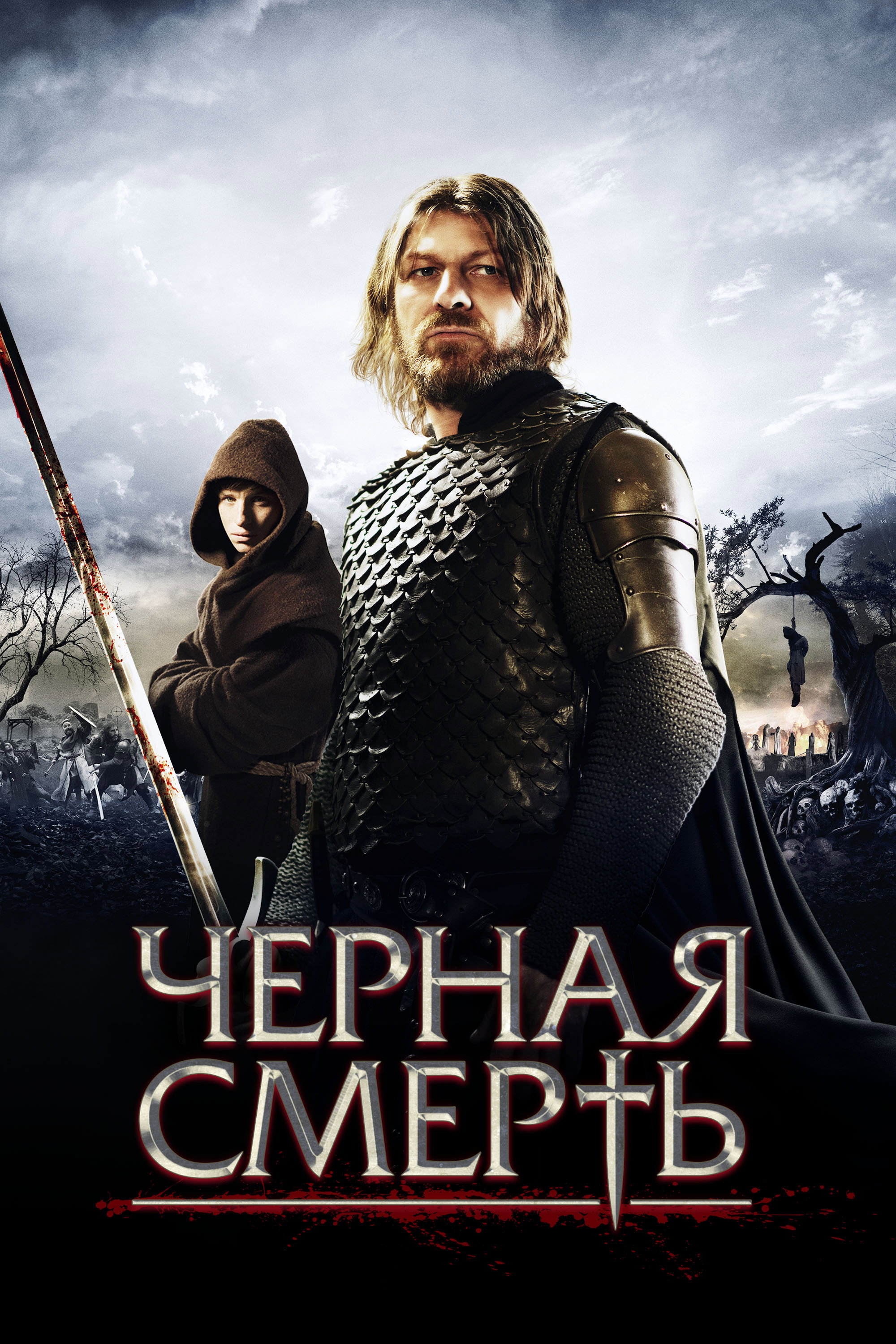
Black Death
Watch movies about the plague in the Middle Ages when you want a world where death knocks on every door and neither beggar nor king is spared. The Black Death empties villages in a week, flagellants roam the roads, and bird-masked doctors stand helpless before the contagion.
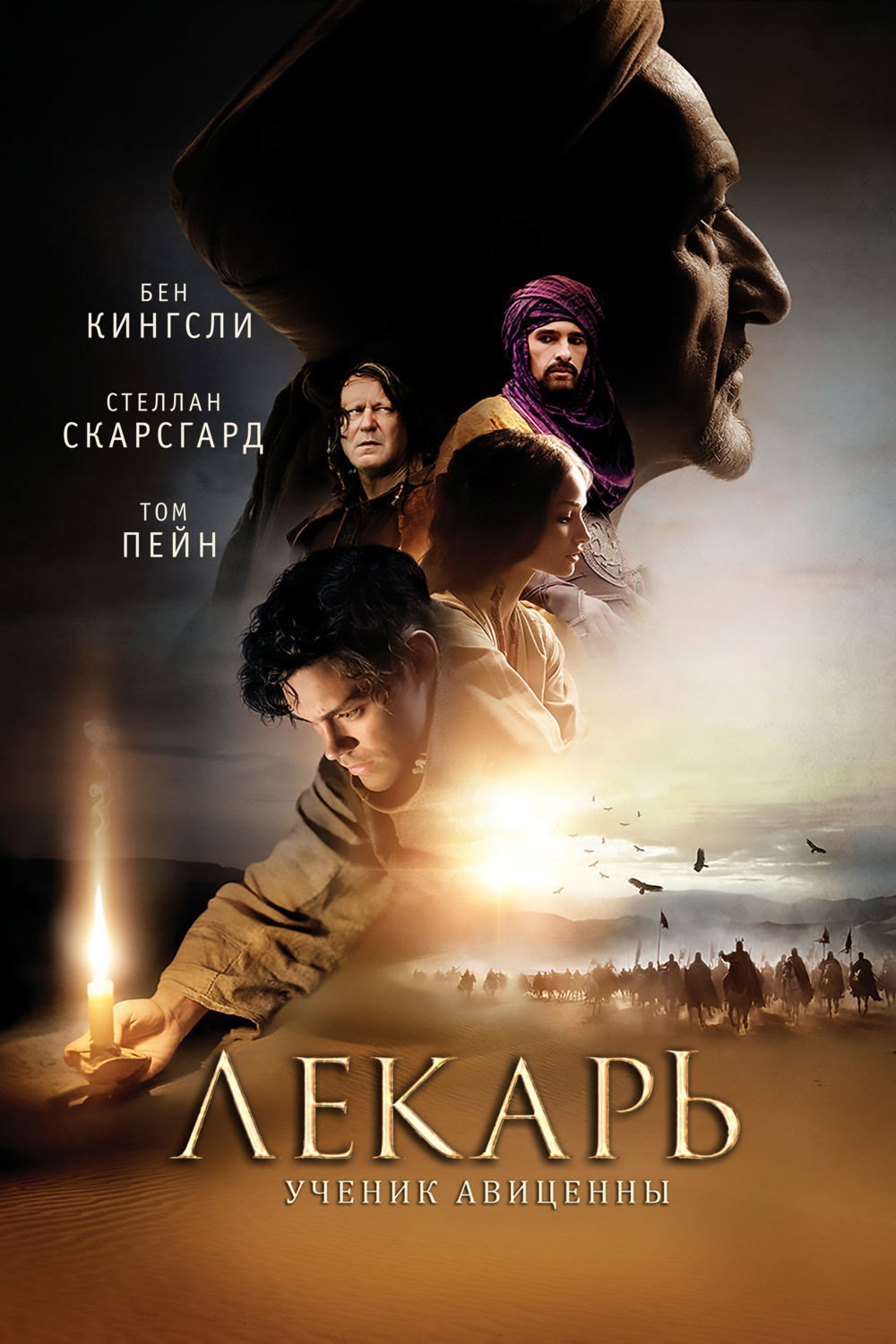
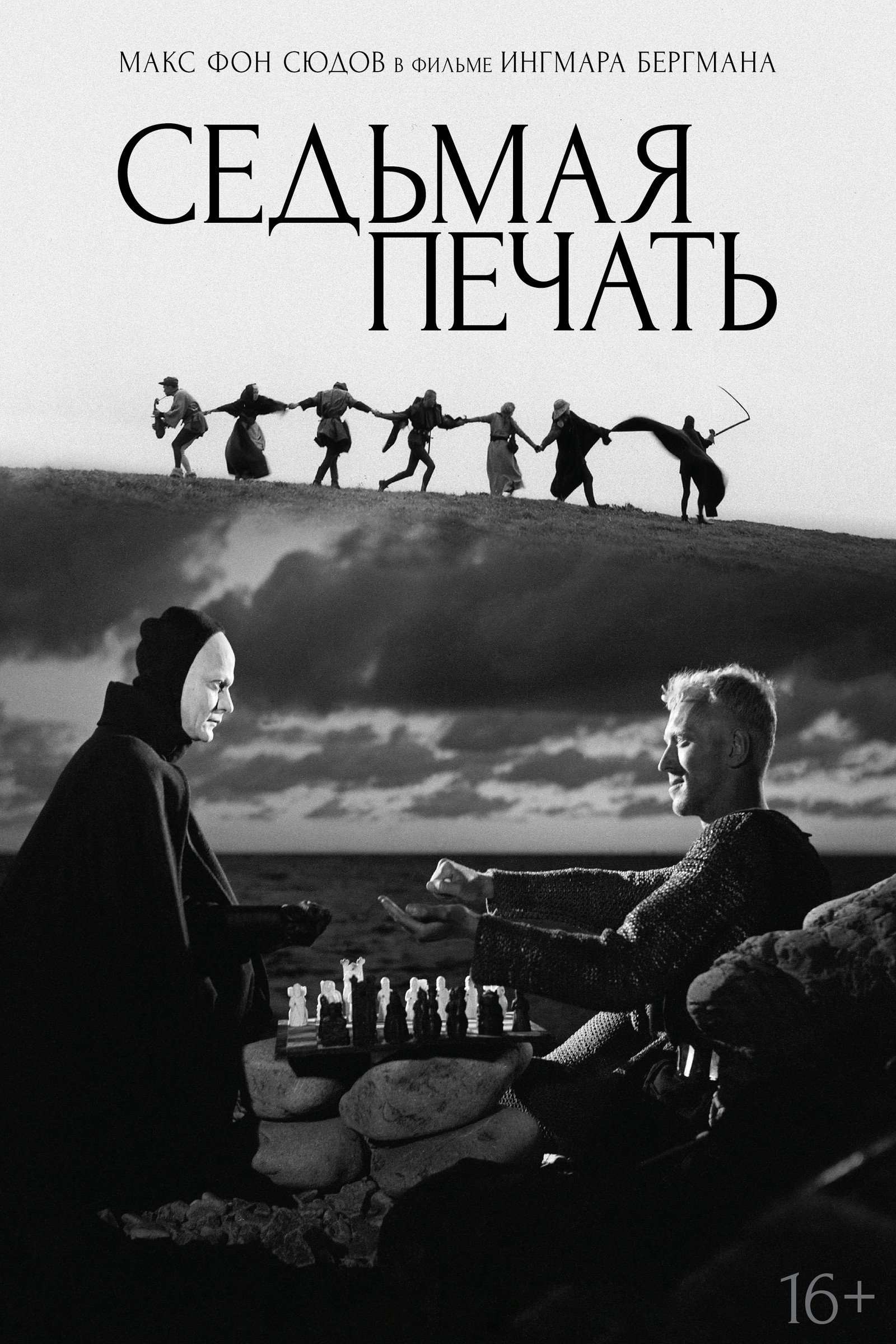
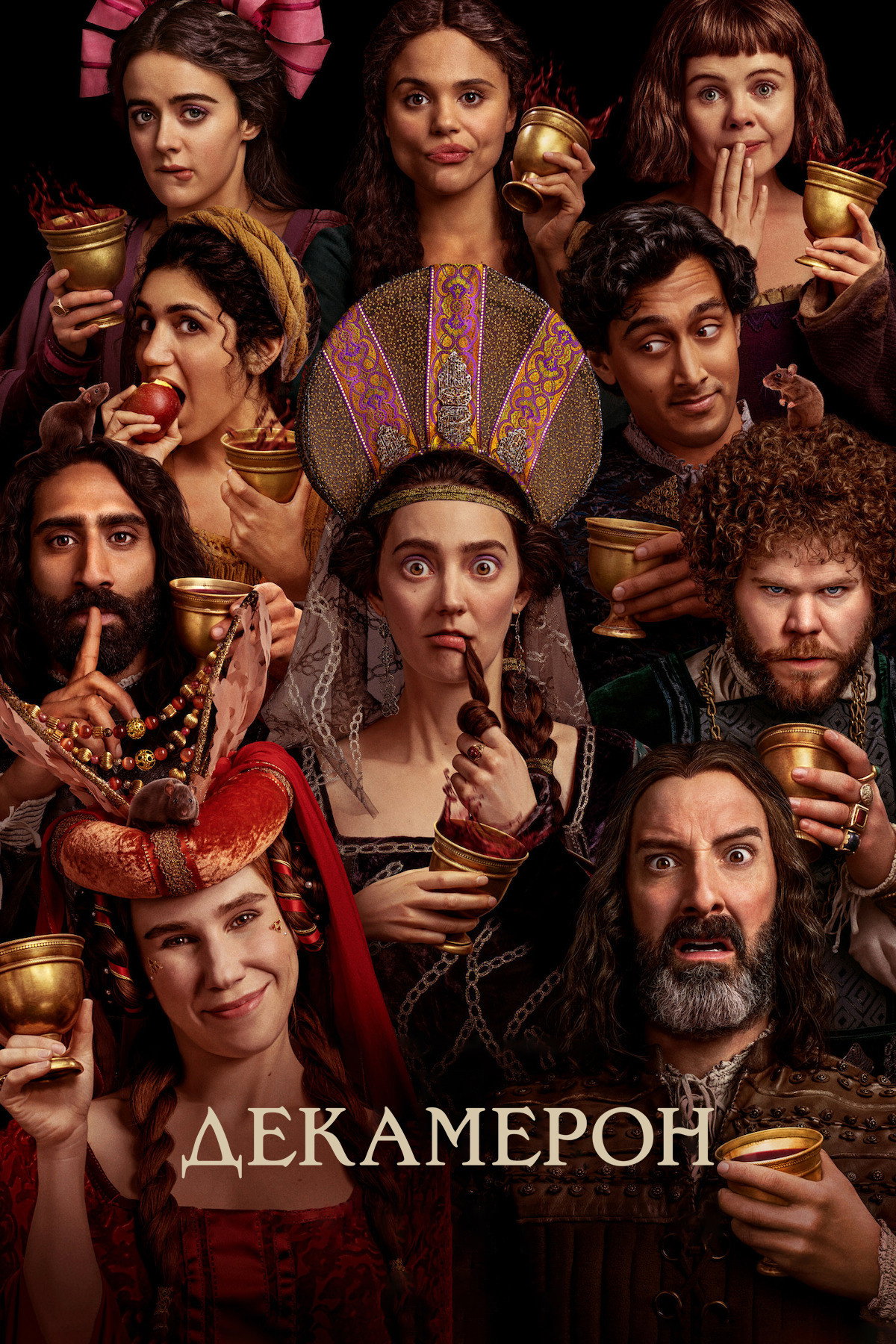
This collection gathers Black Death, with knights hunting for a village the plague has somehow spared; The Physician, about a boy mastering medicine as the pestilence rages; Bergman's The Seventh Seal and its chess game against Death; and Spain's La Peste, set in 16th-century Seville. Alongside them sit The Decameron, The Masque of the Red Death and Flesh + Blood, ranging from medieval chronicle to gothic horror, from 1348 to the dawn of the modern age.
Press play when you crave bleak historical atmosphere with no half-measures: pyres, bells, doomed cities and rare sparks of humanity in an age when simply surviving was an act of courage.
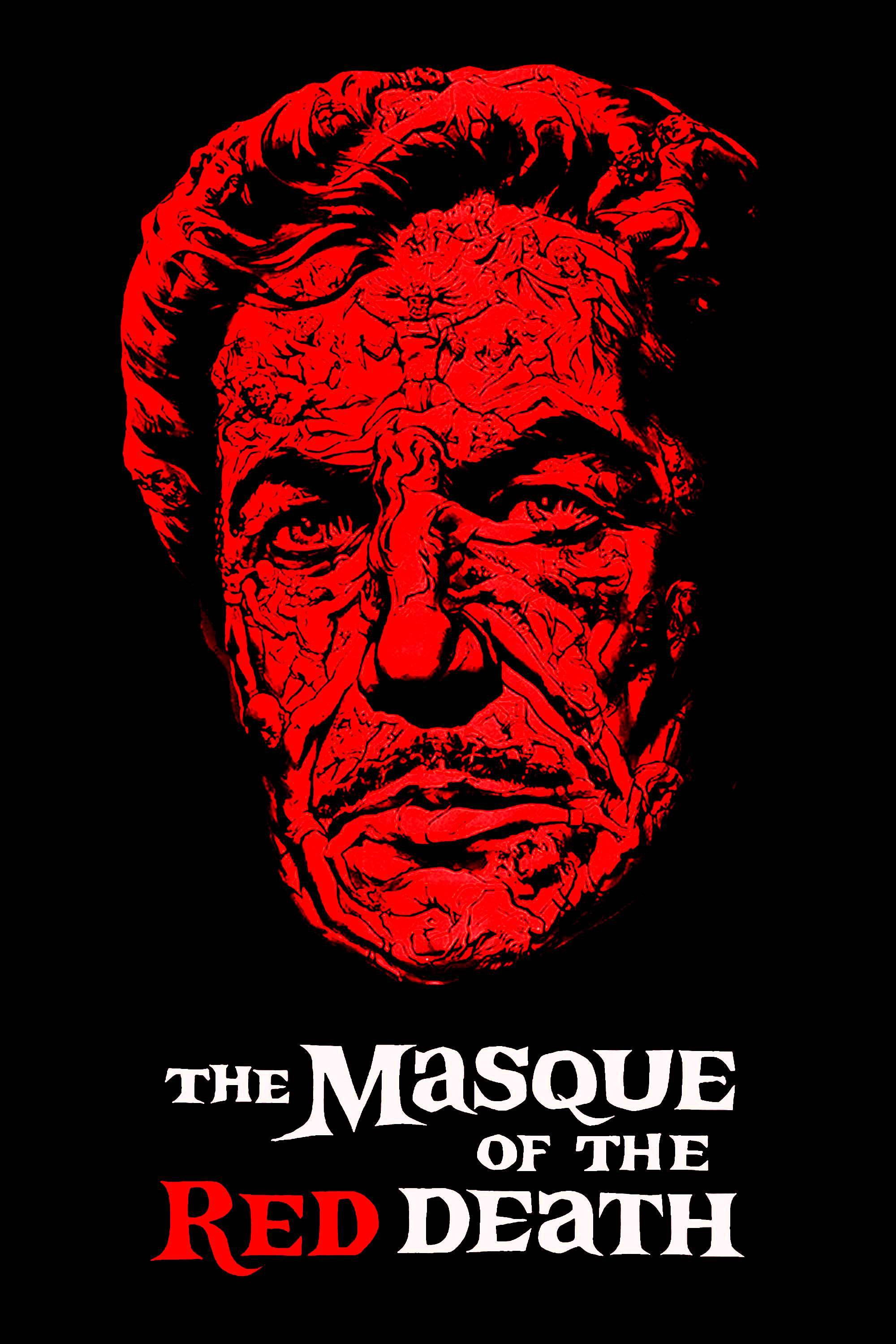
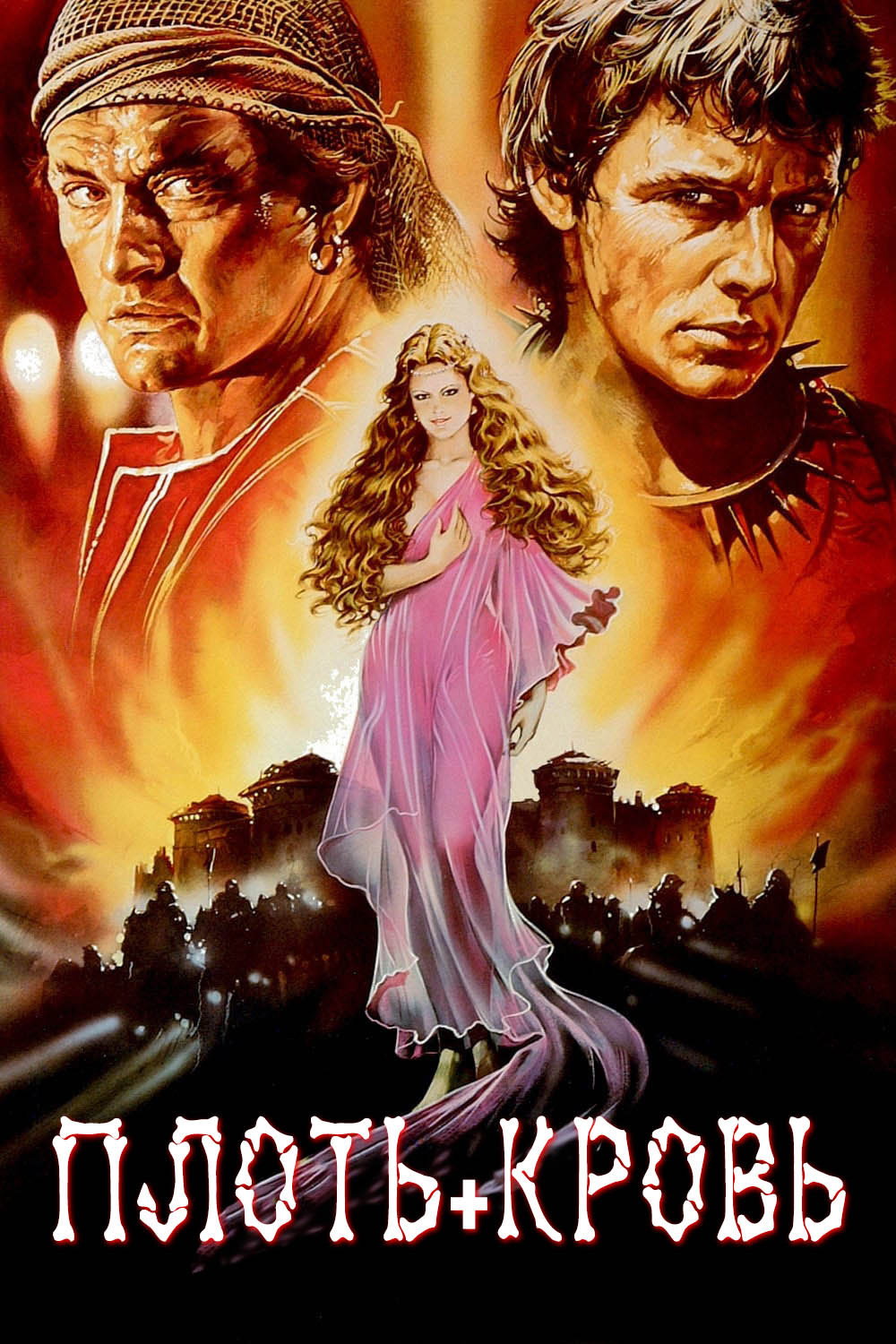
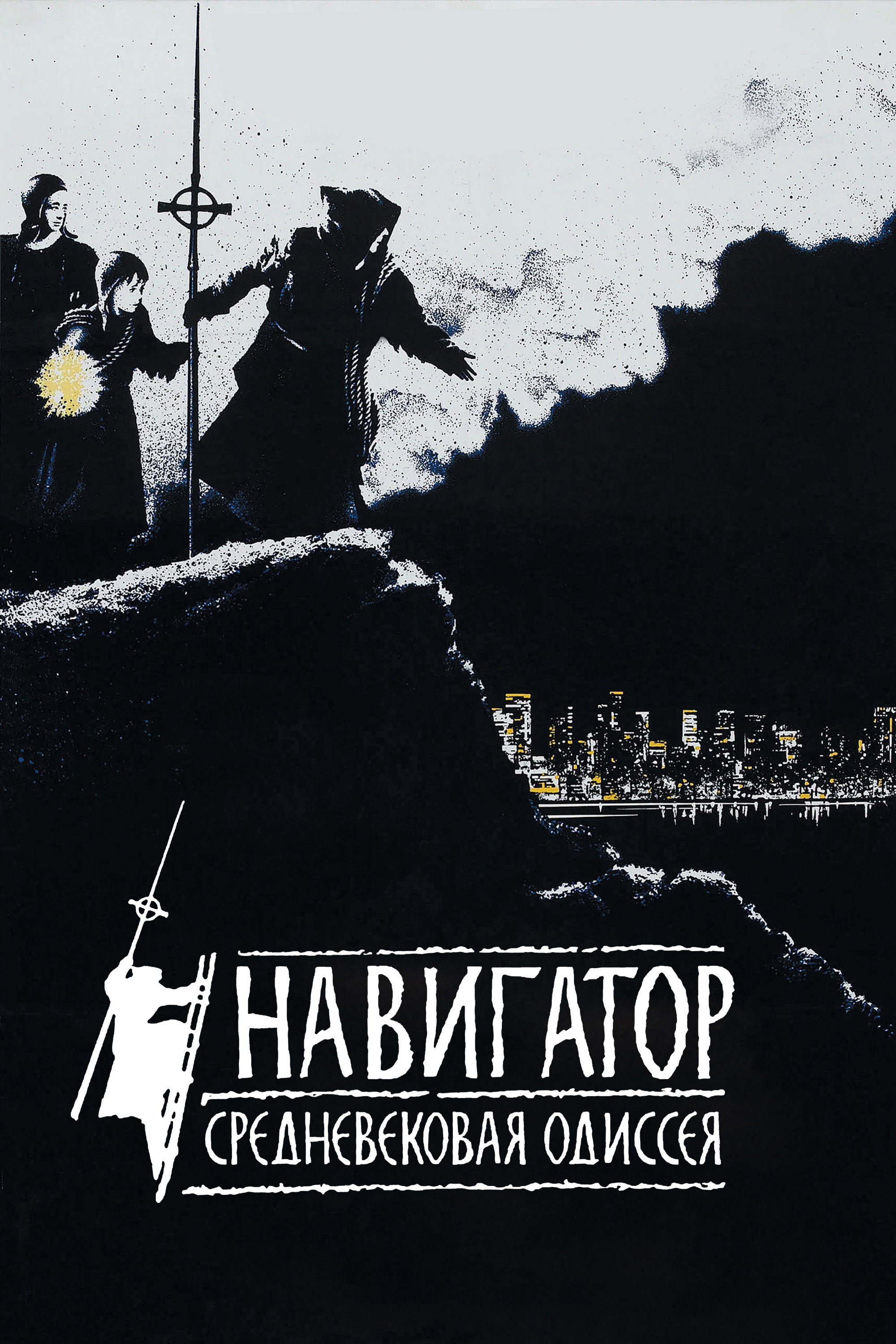
Plague in medieval cinema is never just a disease. It is a stress test for human beings. When one in three dies, it isn't only bodies that collapse but faith, law and the familiar order of things. That is why the best films about the Black Death are less about the bacterium than about what is left of people once the future is taken from them. We gathered films that show the Middle Ages without gloss: mud, pyres, bells tolling for the dead and rare flashes of mercy.
A modern screen epidemic means labs, vaccines and a chance of rescue. The medieval pestilence offers none. The characters don't understand where the contagion comes from, so they blame sinners, witches, outsiders, the wrath of heaven. Black Death sends a band of knights into the marshes after a village the sickness has spared, turning the hunt for a cure into a hunt for heretics. The Reckoning shows how fear of the plague becomes a pyre for the innocent. The horror here grows not from a monster but from helplessness and fanaticism.
For solid historical drama, begin with The Physician: a boy from the English backwater crosses Europe to learn the craft of healing and meets the plague face to face. If you prefer slow, philosophical cinema, Bergman's The Seventh Seal remains the benchmark, with its knight playing chess against Death across an emptied land. For the atmosphere of a doomed carnival, turn to The Decameron and The Masque of the Red Death, where the nobility feasts behind walls while the world burns outside. Spain's La Peste, meanwhile, drops the pestilence into Seville during the age of discovery, where trade and death share the same streets.
This collection is for viewers who love heavy, textured historical cinema and aren't scared off by grim endings. Put it on during autumn evenings when you don't want to relax but to reflect: how did people live for whom the end of the world wasn't a metaphor but news from the next village over? And why, even then, did someone keep healing, believing and loving?
The subject has lived on screen for a century, and this collection shows it. Murnau's silent Faust opens with plague engulfing a town as a scholar sells his soul to save its people. Both Nosferatu films grow from the same root: the vampire never arrives alone, contagion comes with him and rats flood the streets. Flesh + Blood and The Navigator carry us to 1348, the year the Black Death first scythed through Europe. And Virgin Territory, loosely based on The Decameron, reminds us that even in a plague year people still reached for life, wine and love. Different eras of filmmaking, one shared nerve: death is near, and that makes every day lived more precious.
Black Death (2010) and The Physician (2013) are praised for their atmosphere: the epidemic, the fanaticism and the helplessness of medicine are shown without gloss.
Yes. Spains La Peste sets the pestilence in 16th-century Seville, and The Decameron follows a group fleeing plague-struck Florence in 1348.