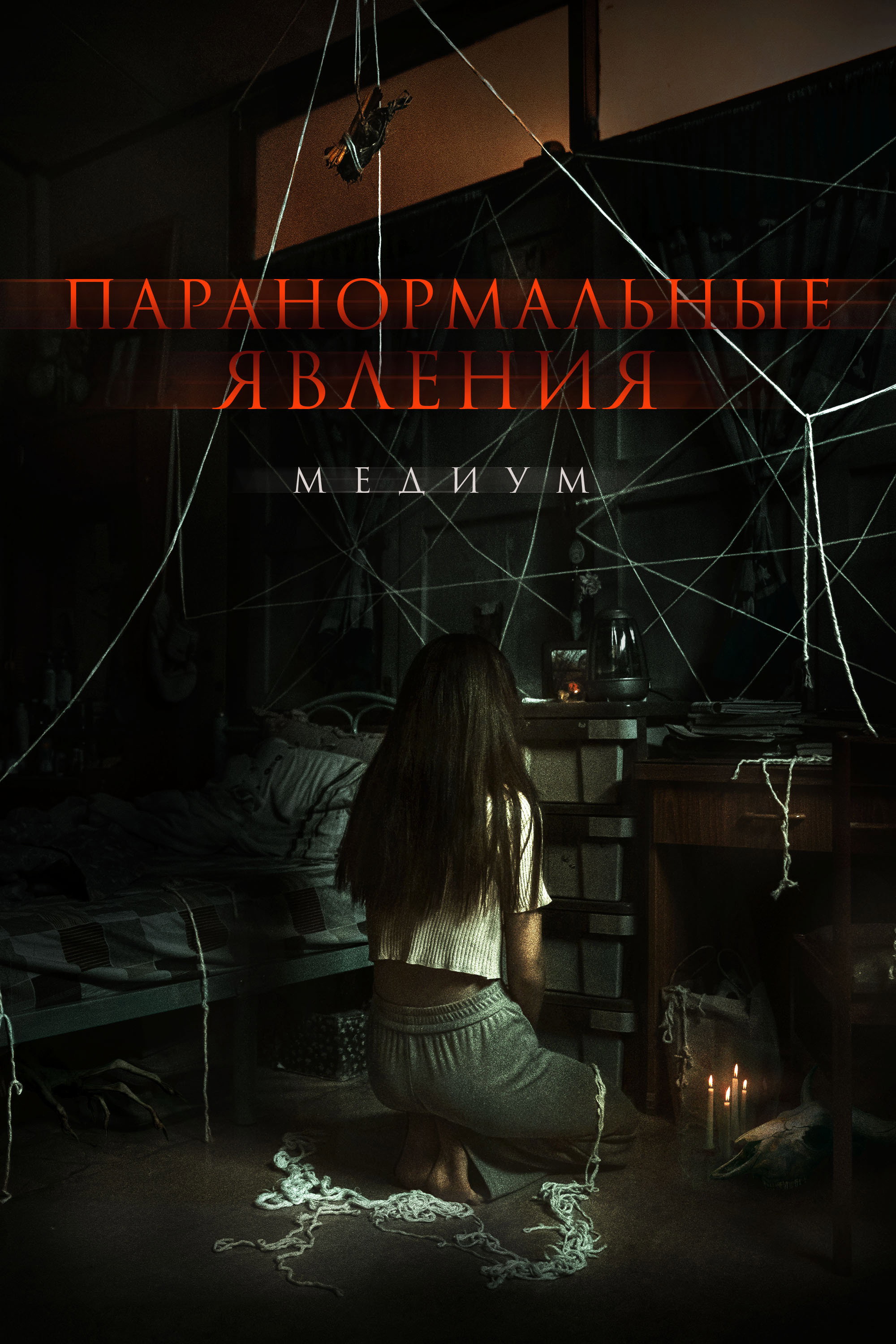
The Medium
Thai horror is a school of its own within Asian cinema, and it is worth watching online for a different flavour of fear. The scare here is not a monster in the dark but an old grudge: a wronged spirit returns to the living to collect a debt. The mood is humid and slow, steeped in Buddhist ideas of karma and revenge from beyond the grave.
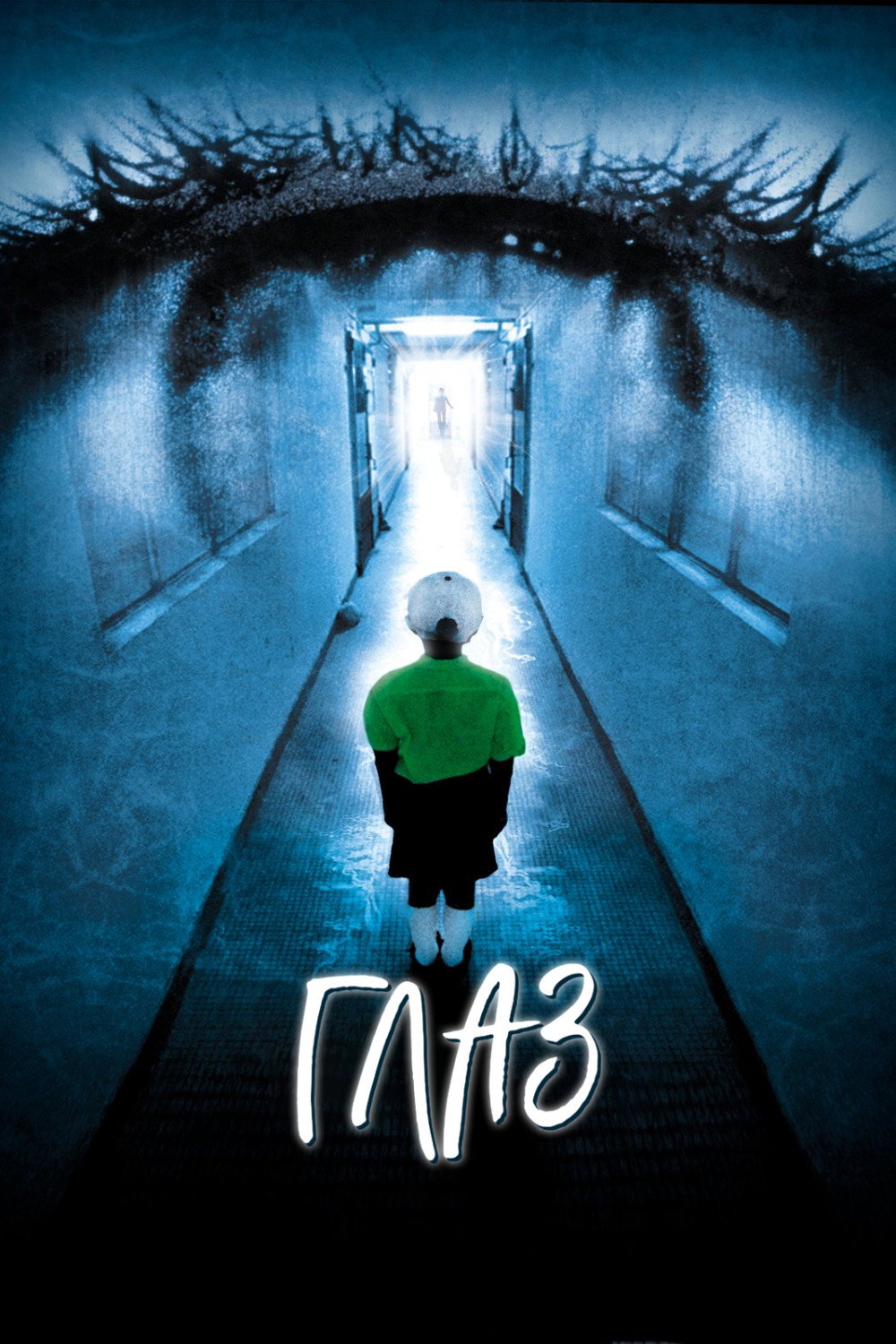
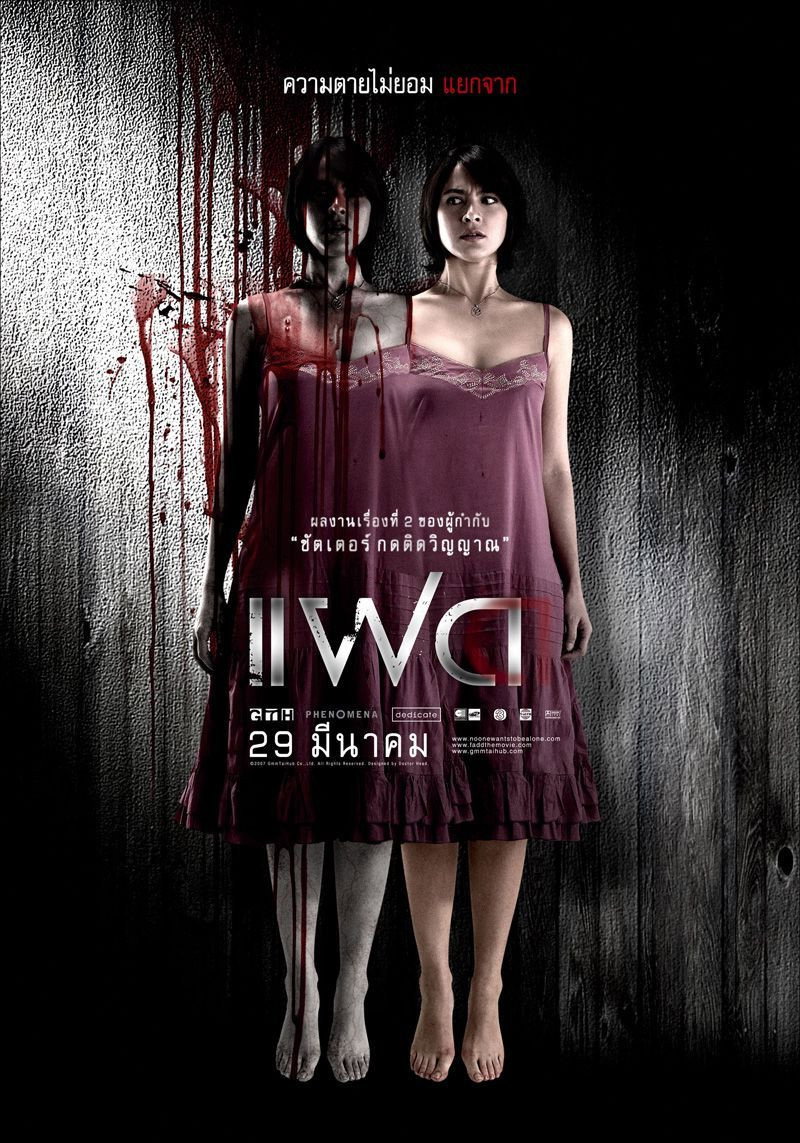
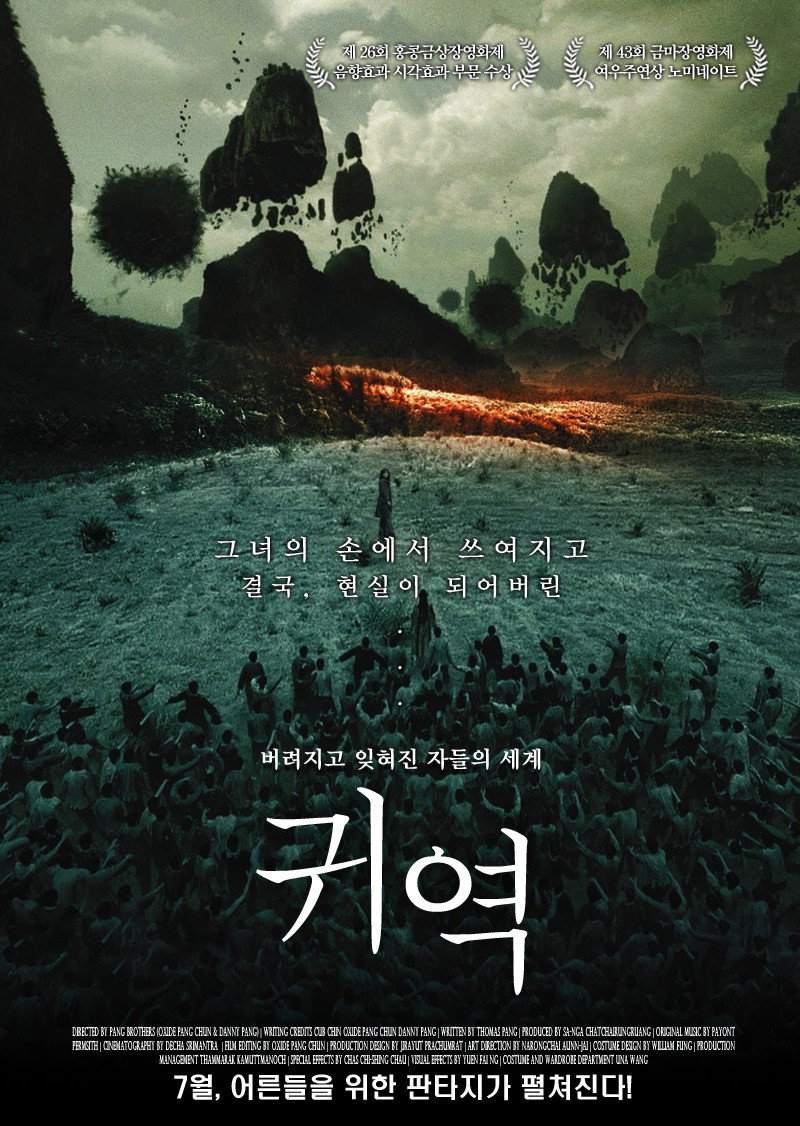
This collection mixes cult classics with recent hits — Shutter and its famous twist, the Pang brothers' The Eye, the mockumentary Medium, the folk tragicomedy Pee Mak, and a new wave like Death Whisperer and Influencer. The range runs from the early 2000s to the very latest releases.
Put one on at night, when you want real, un-Hollywood dread. Most of these films are little known abroad, which only makes them hit harder.
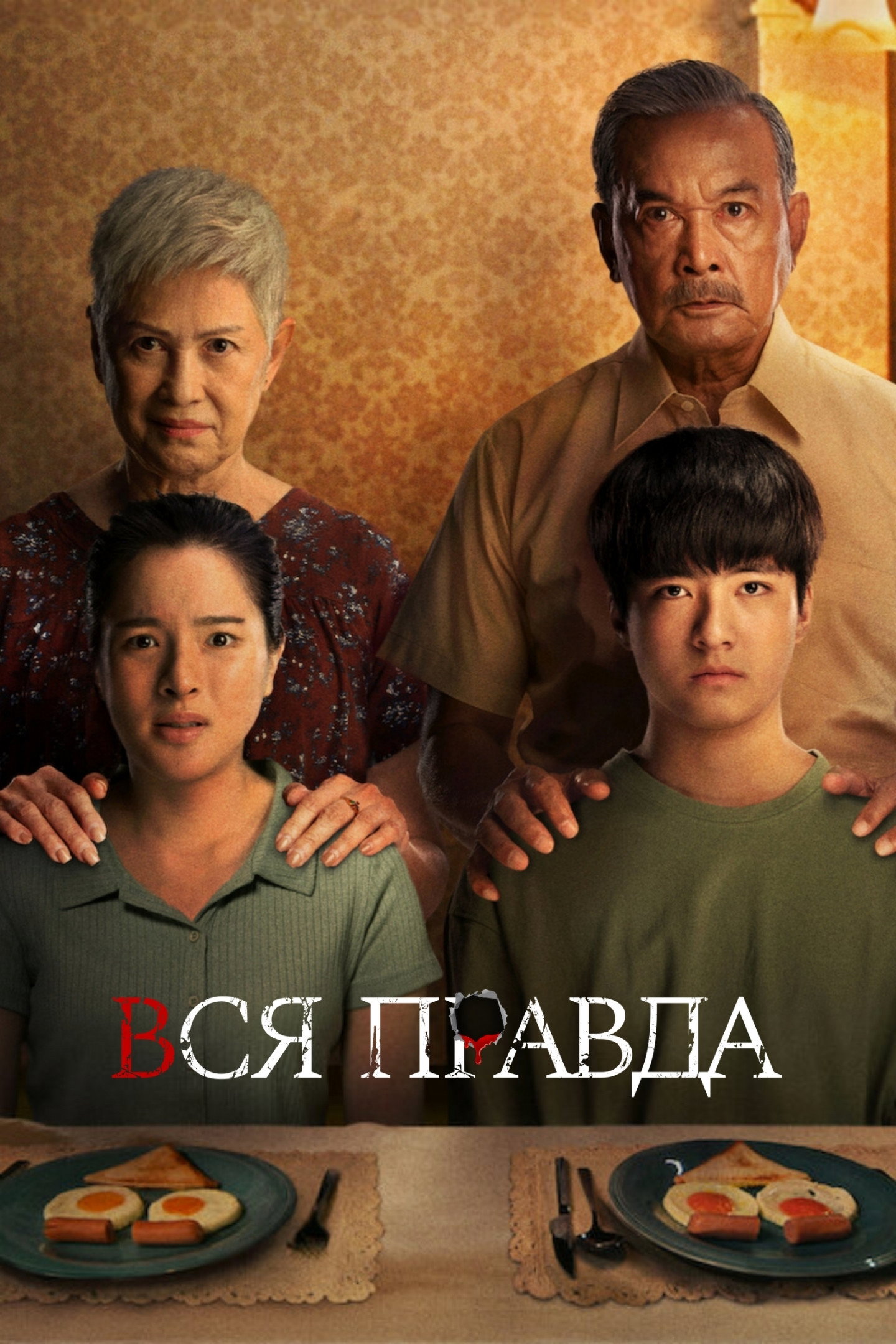
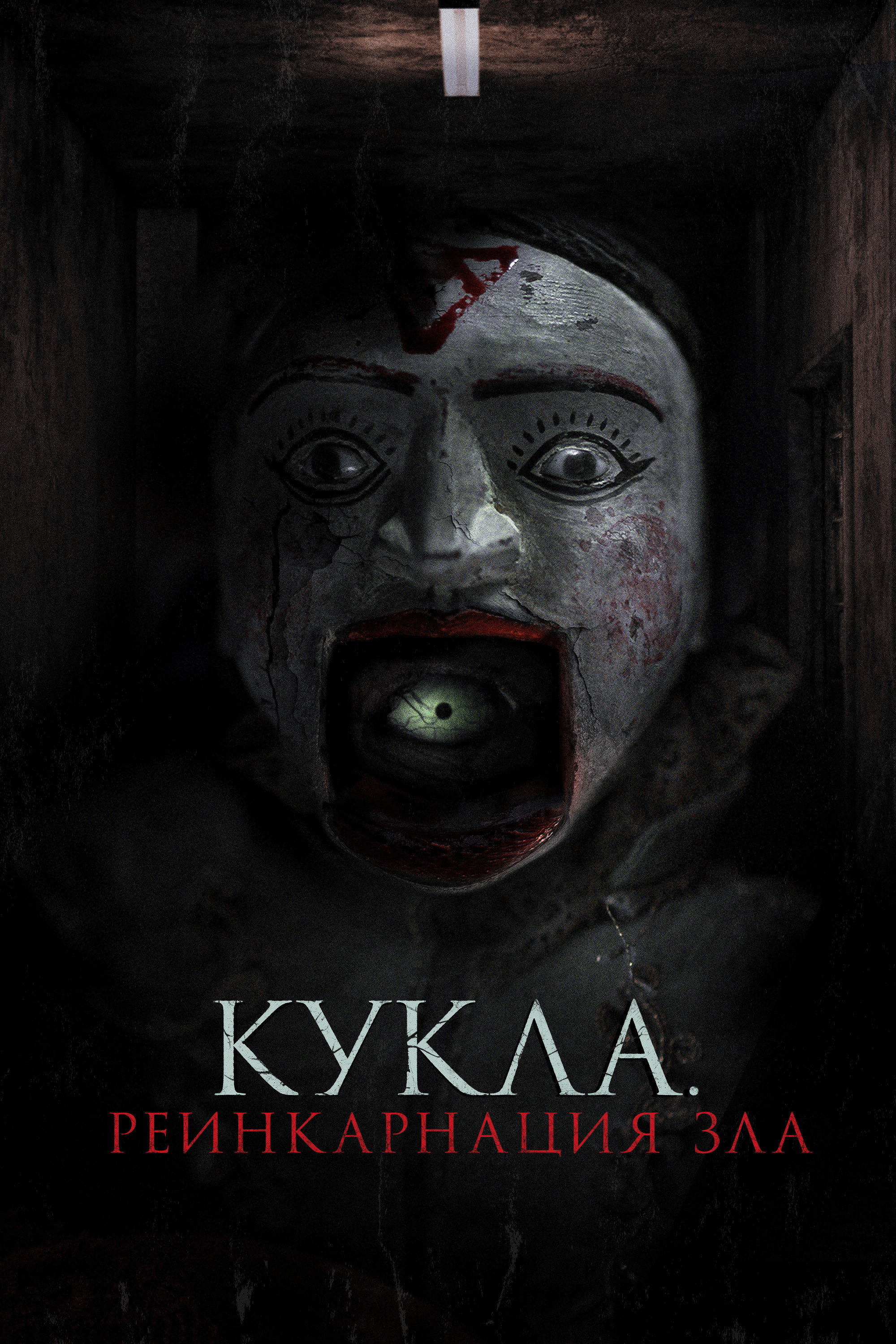
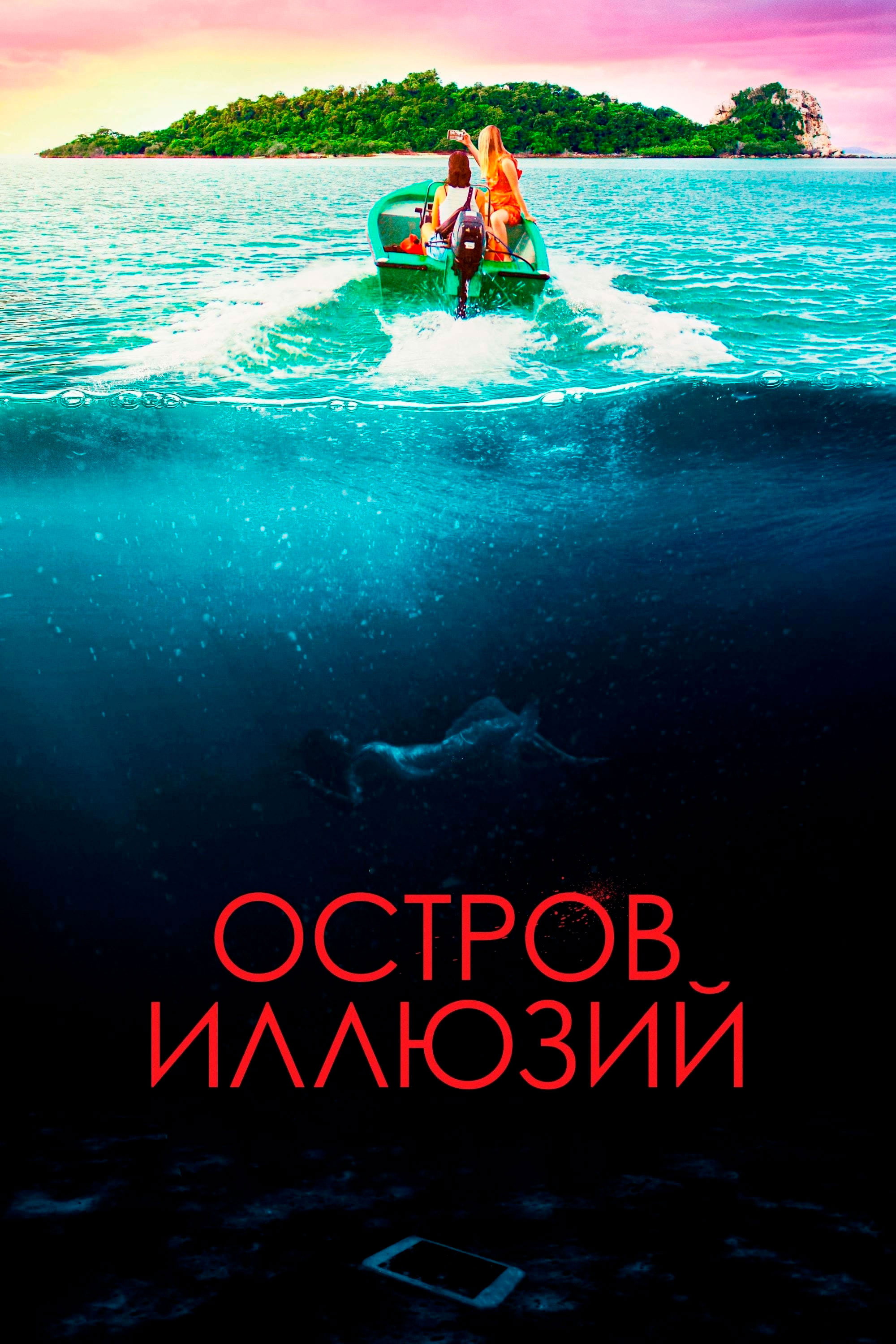
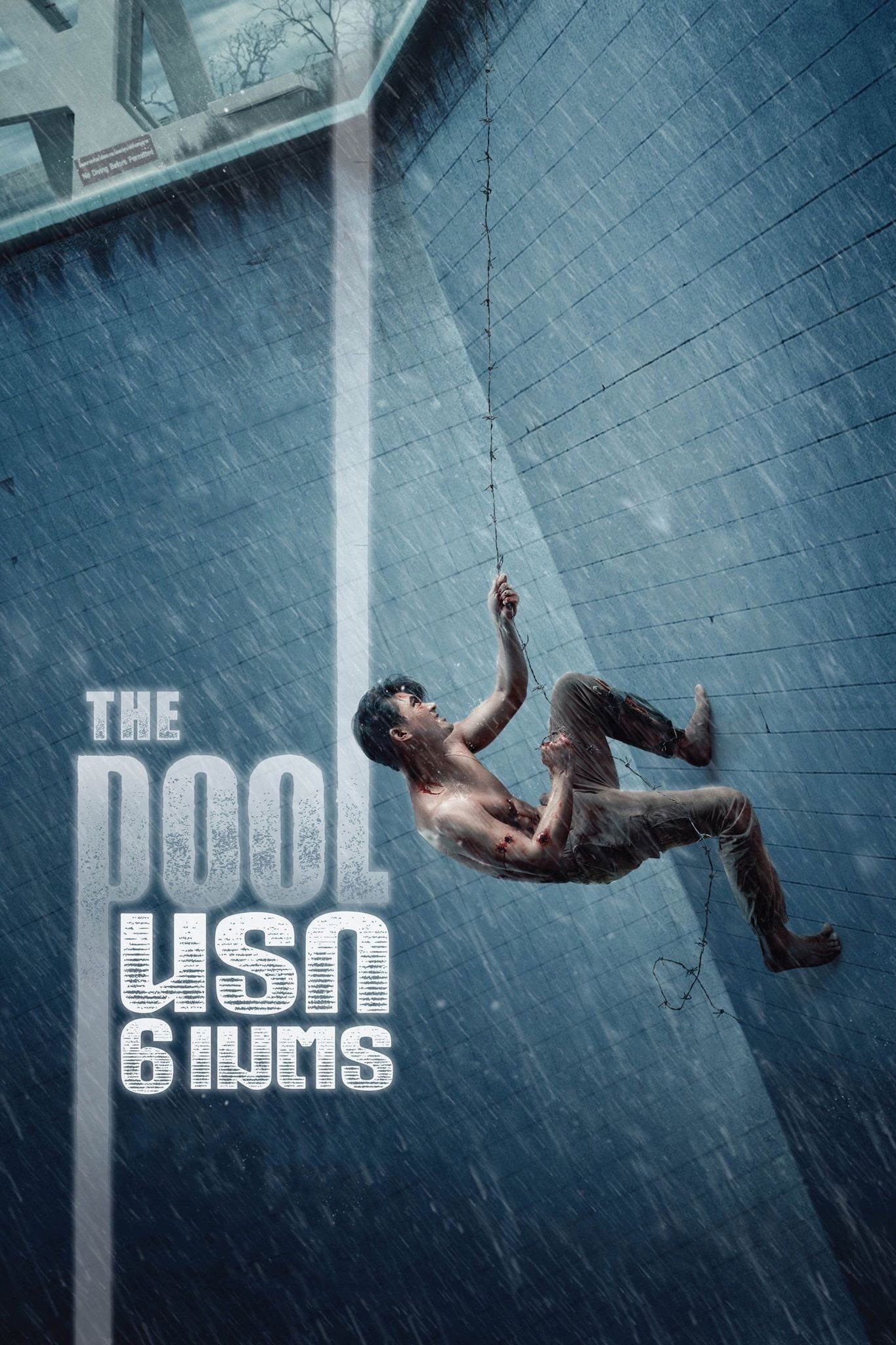
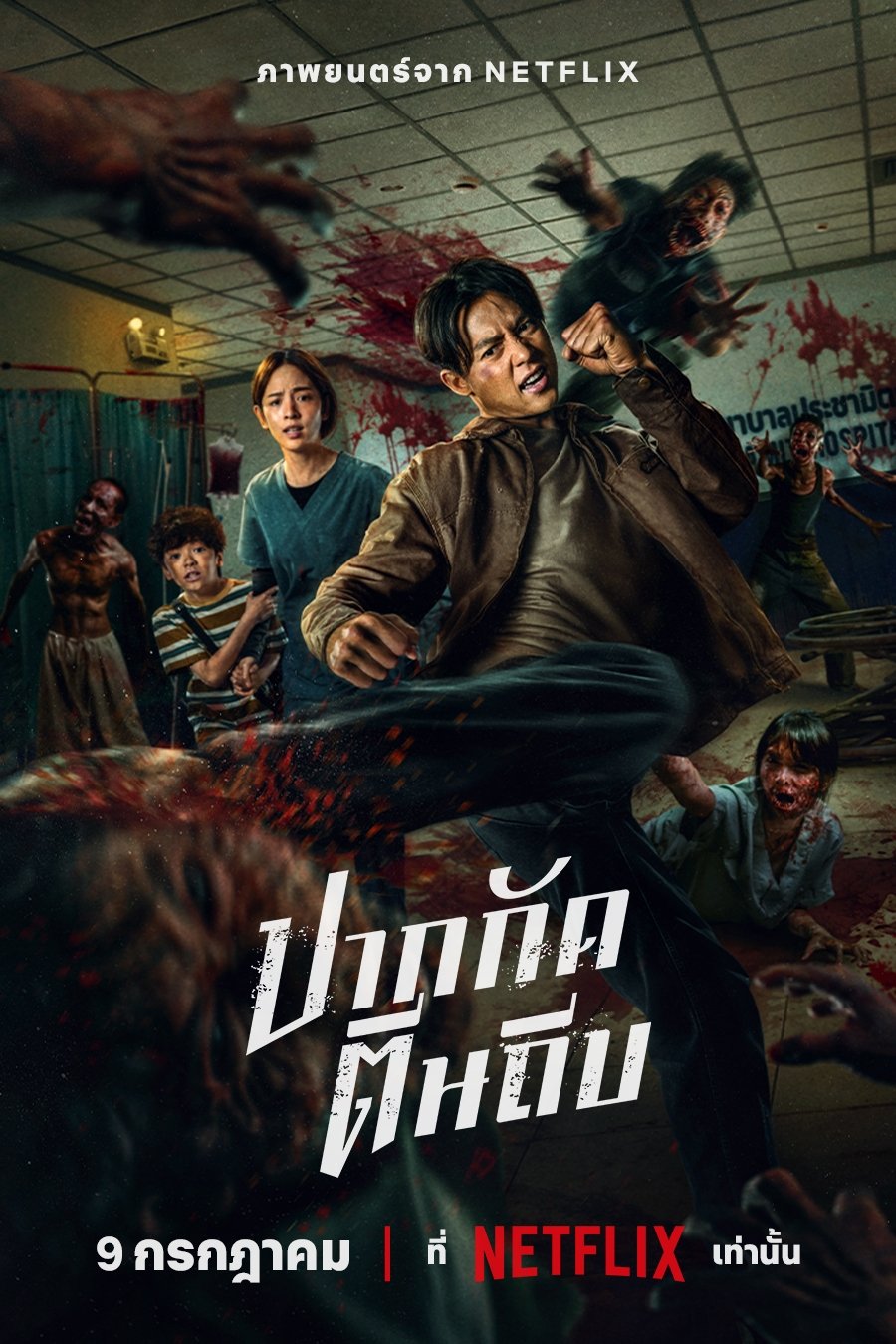
Thai horror plays by its own rules. There is rarely a jump scare every five minutes and almost no gore for the sake of it. Dread builds slowly, out of ordinary things: a rented apartment, an old photograph, the smell of incense in an empty room. The root is nearly always the same — the grudge of a dead person whom the living betrayed or forgot. The spirit comes back not to frighten, but to collect a debt.
Buddhist ideas of karma and local animism run through these films. A ghost is not abstract evil but a specific person with a specific claim: an abandoned mistress, a cheated partner, a child no one protected. That is why even the grimmest scenes carry sadness, not just menace. A whole sub-strand deals with black magic and curses, where harm is sent on purpose and can only be lifted through an equal sacrifice.
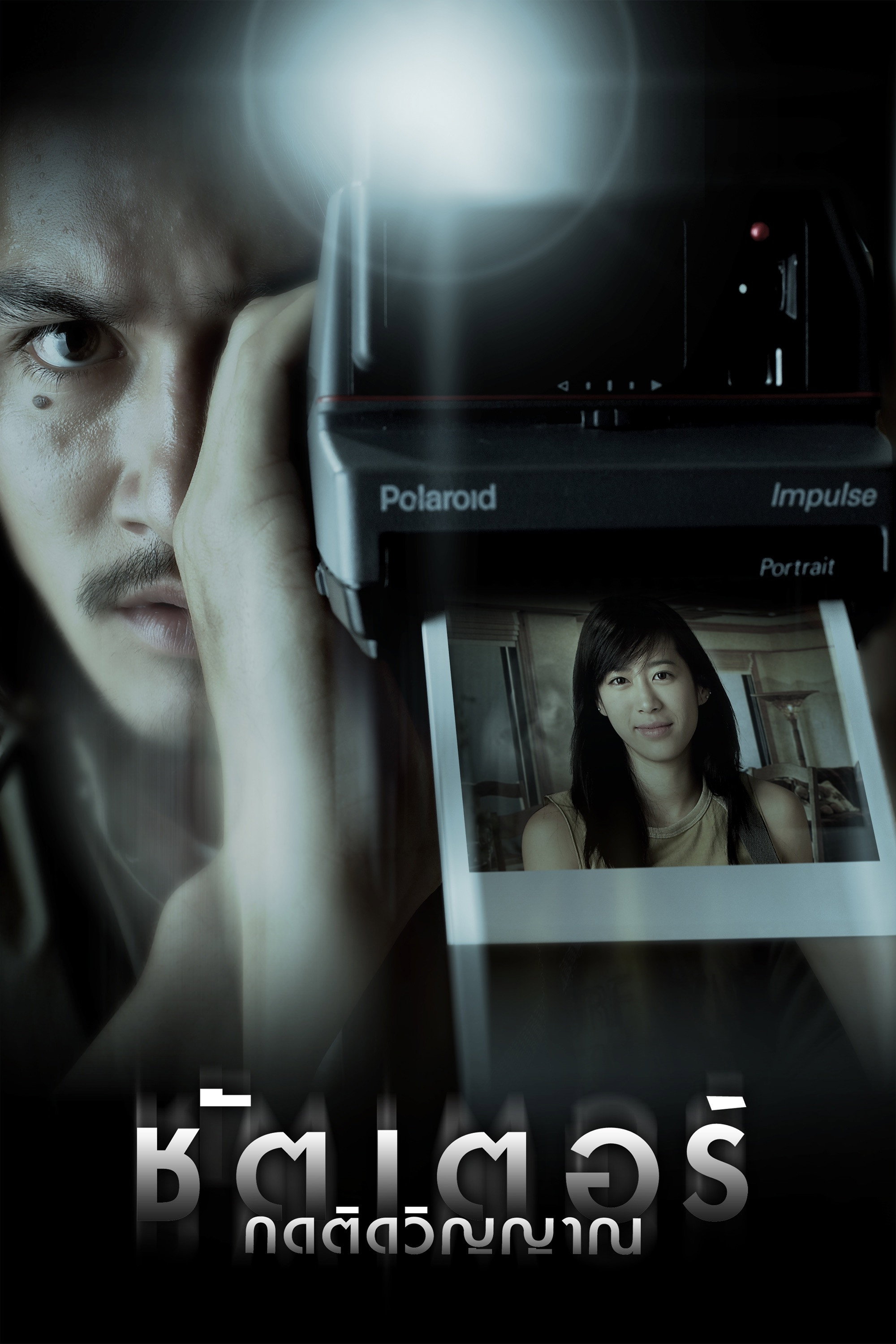
New to Thai horror? Begin with Shutter, about a photographer whose pictures keep showing a woman's face — its final twist was copied across Asia for years. Then The Eye, where a woman regains sight through a cornea transplant and starts seeing the dead; the Pang brothers turn a simple idea into a masterclass in tension. The Medium is shot like a mockumentary about a rural shaman, and that plain handheld camera makes the ending hit much harder.
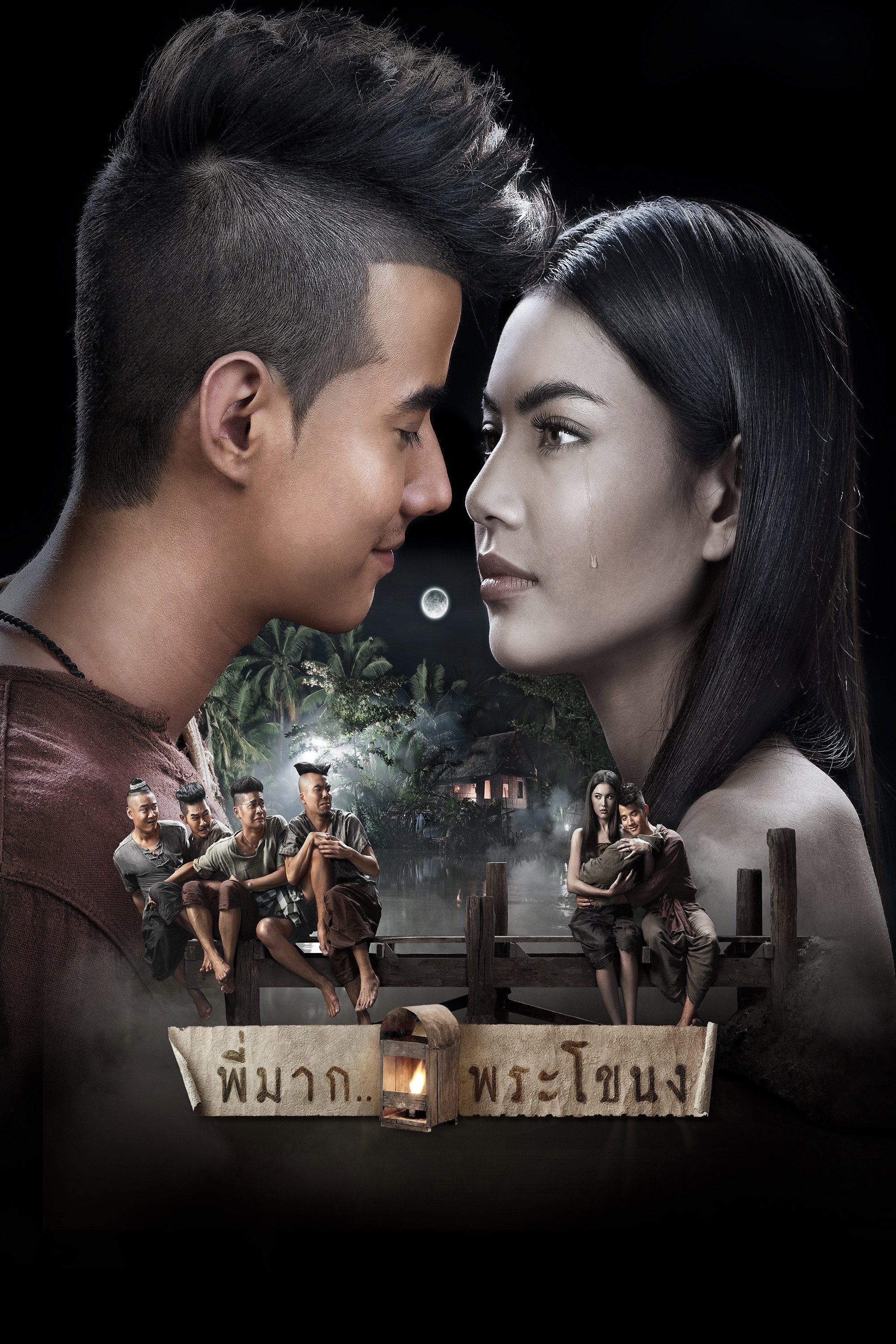
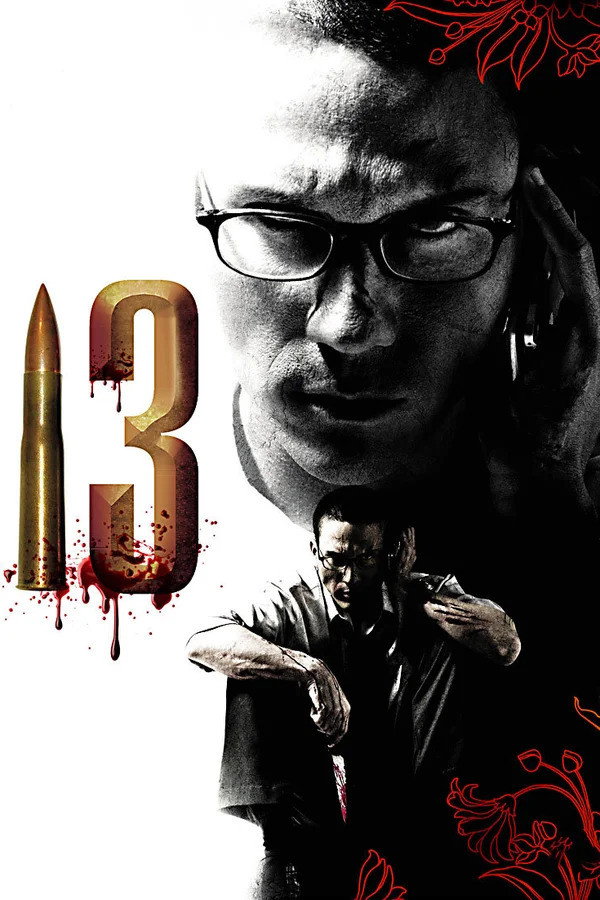
Thai horror can laugh at itself too. Pee Mak retells an old folk legend about a ghost wife waiting for her husband and spins it into a tragicomedy that broke box-office records at home. 4bia and its sequel are anthologies of short tales that mix terror with black humour. And 13 hides its horror inside a brutal social parable about a game you cannot quit.
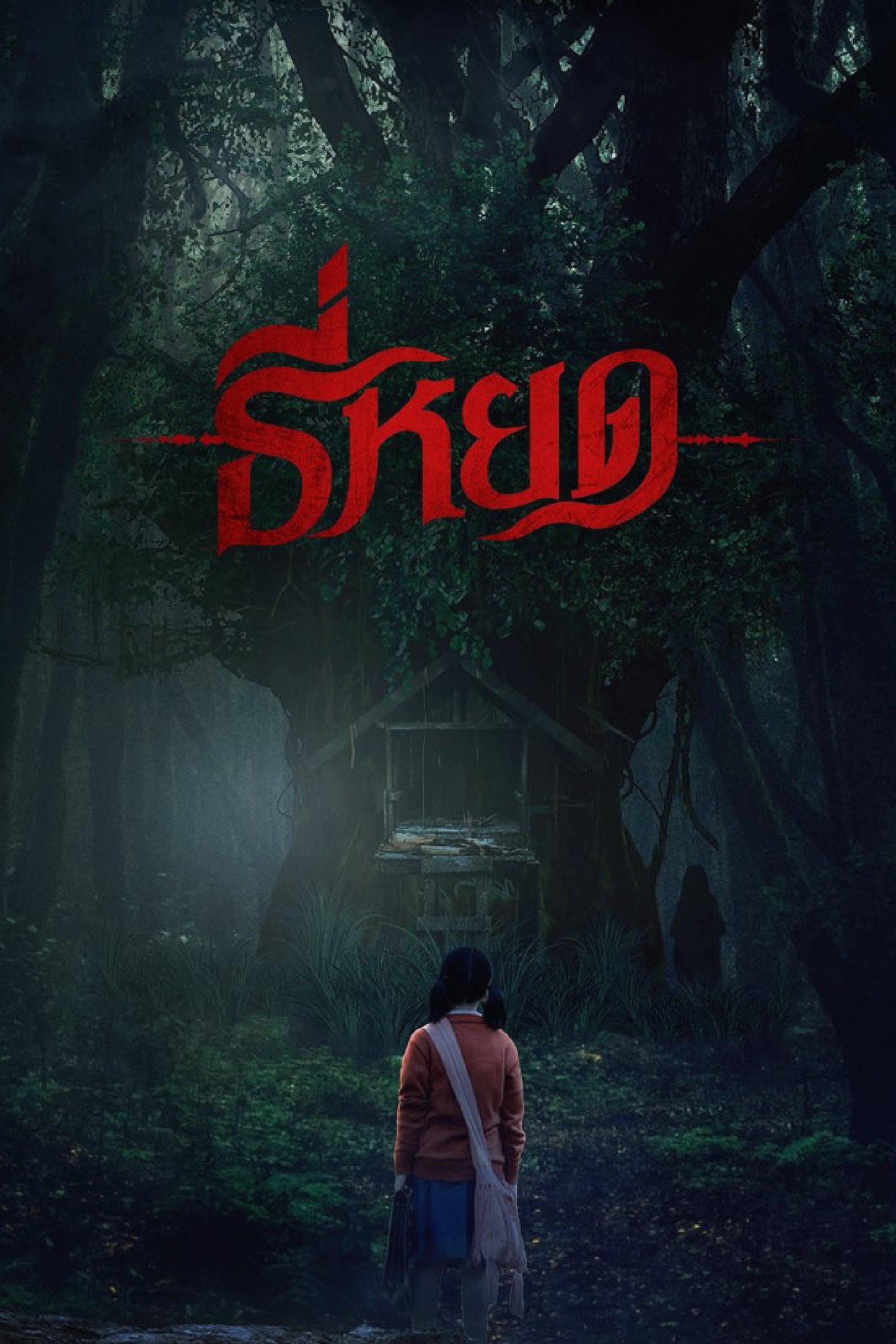
The genre has not frozen in the 2000s. Death Whisperer and its sequels brought village curses back into fashion and packed cinemas across Southeast Asia. Influencer moves the classic vengeful-spirit plot into the era of bloggers and phone cameras. Ziam adds action and sporting drive to the usual ghosts. So the list works both ways: the canon of the 2000s, and what Thai filmmakers are shooting right now.
This list is for anyone tired of predictable American scares who wants a different register — slow, humid, soaked in beliefs about spirits and karma. Most of these films are little known abroad, which is exactly why every other one surprises. You can watch them all online in good quality. Put one on at night, kill the lights, and listen to the silence between scenes — that is where the real fear hides.
Thai horror leans harder on Buddhism, karma and folk beliefs about spirits; it scares through a slow, humid atmosphere and the theme of the dead taking revenge on the living, rather than through jump scares.
Start with Shutter (2004), a cult classic with a legendary final twist, or with The Eye by the Pang brothers.