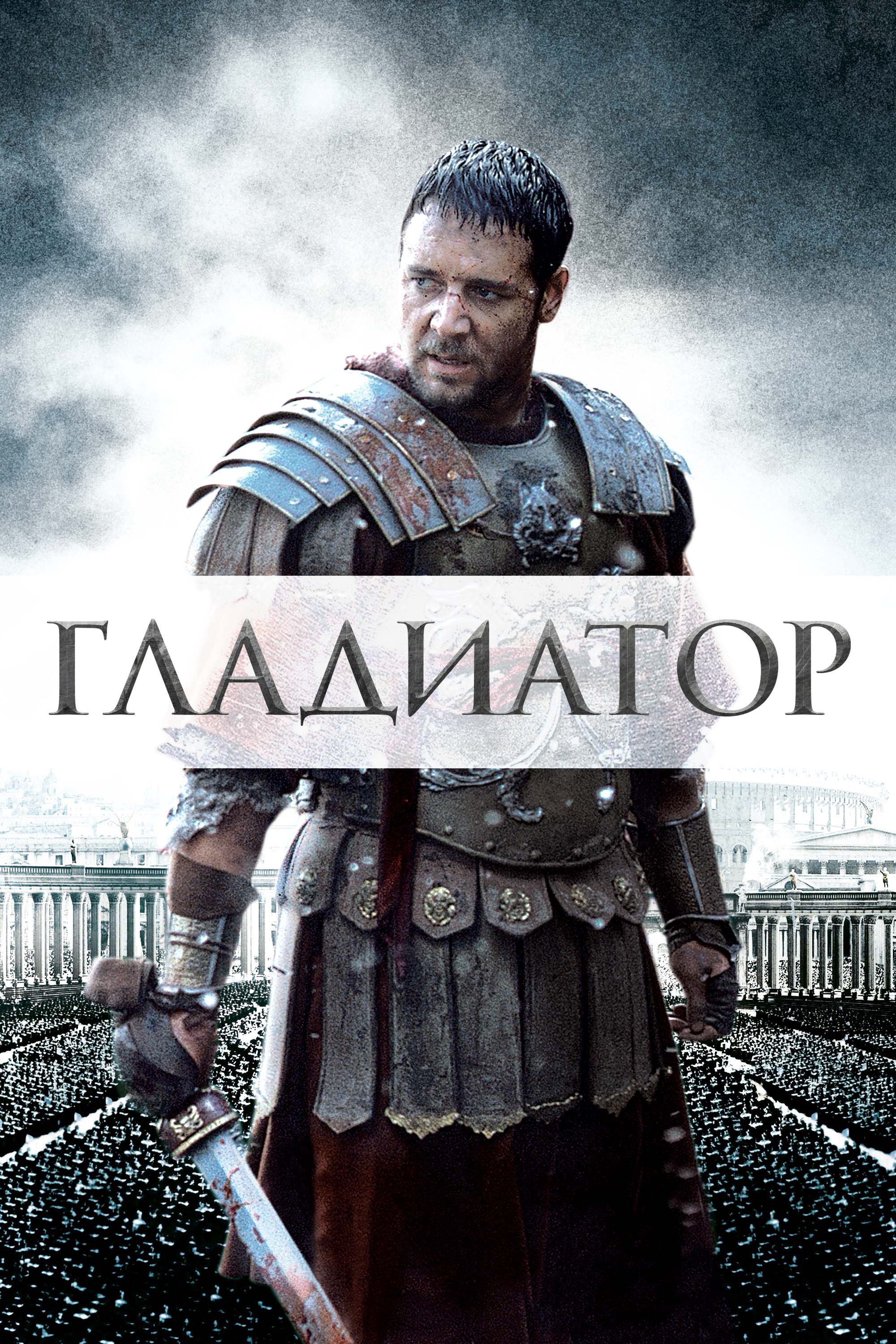
Gladiator
Watch films about Ancient Rome online in this collection — the roaring Colosseum, legions on the march, and the knives of the Senate, from the palaces of the Caesars to the last days of the empire.
We picked by the spirit of the era rather than a single tag. Alongside acknowledged classics like Ben-Hur and Spartacus sits the modern sweep of Gladiator and its sequel, and between them quieter stories: Centurion, The Eagle, Agora, Pompeii. The range is wide — from the founding myth and a slave revolt to the ash of Vesuvius and the fall of the Western empire.
If sandy arenas, togas, and the clash of short swords are your thing, start with any poster below. Blood, marble, and the struggle for power are included.
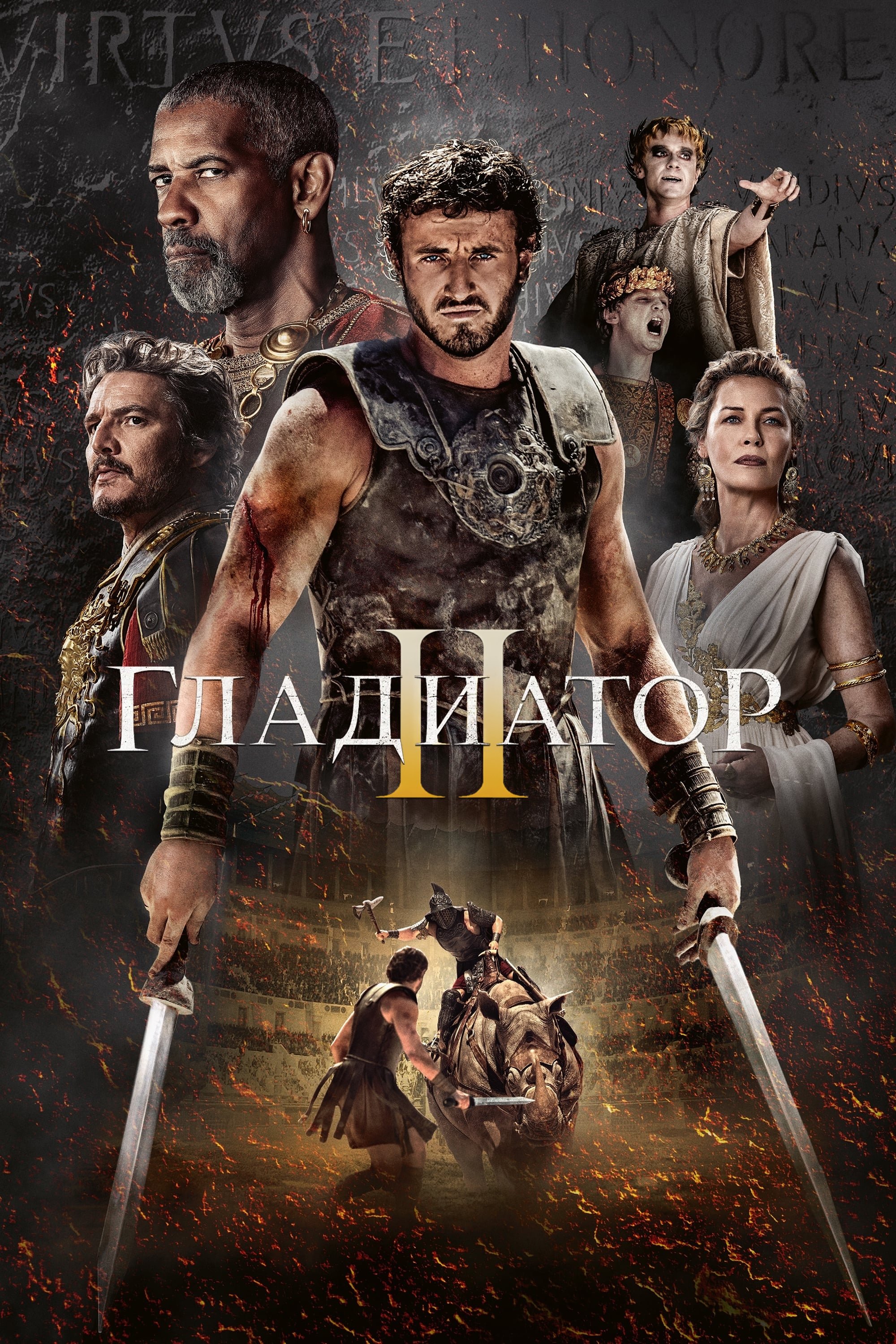
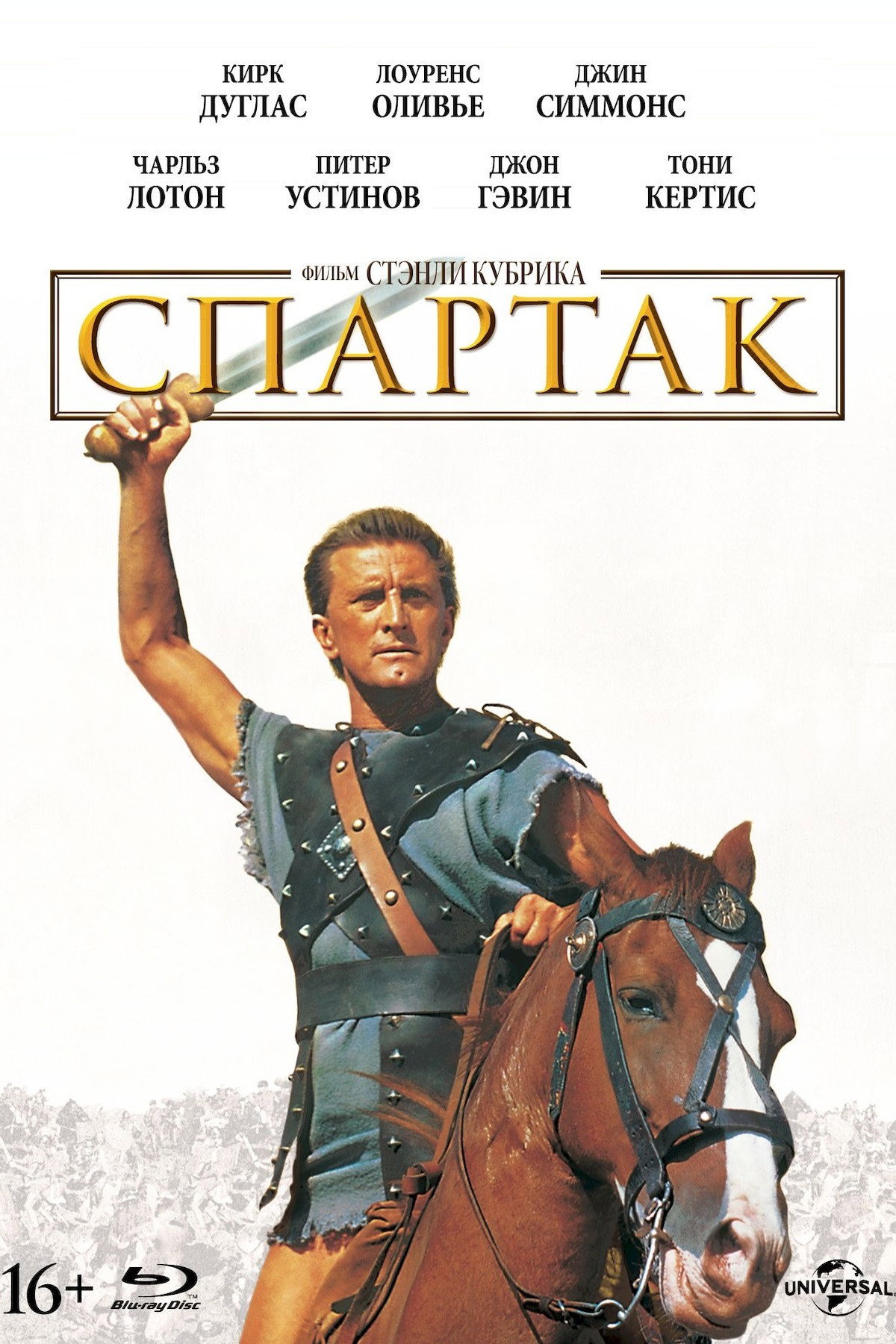
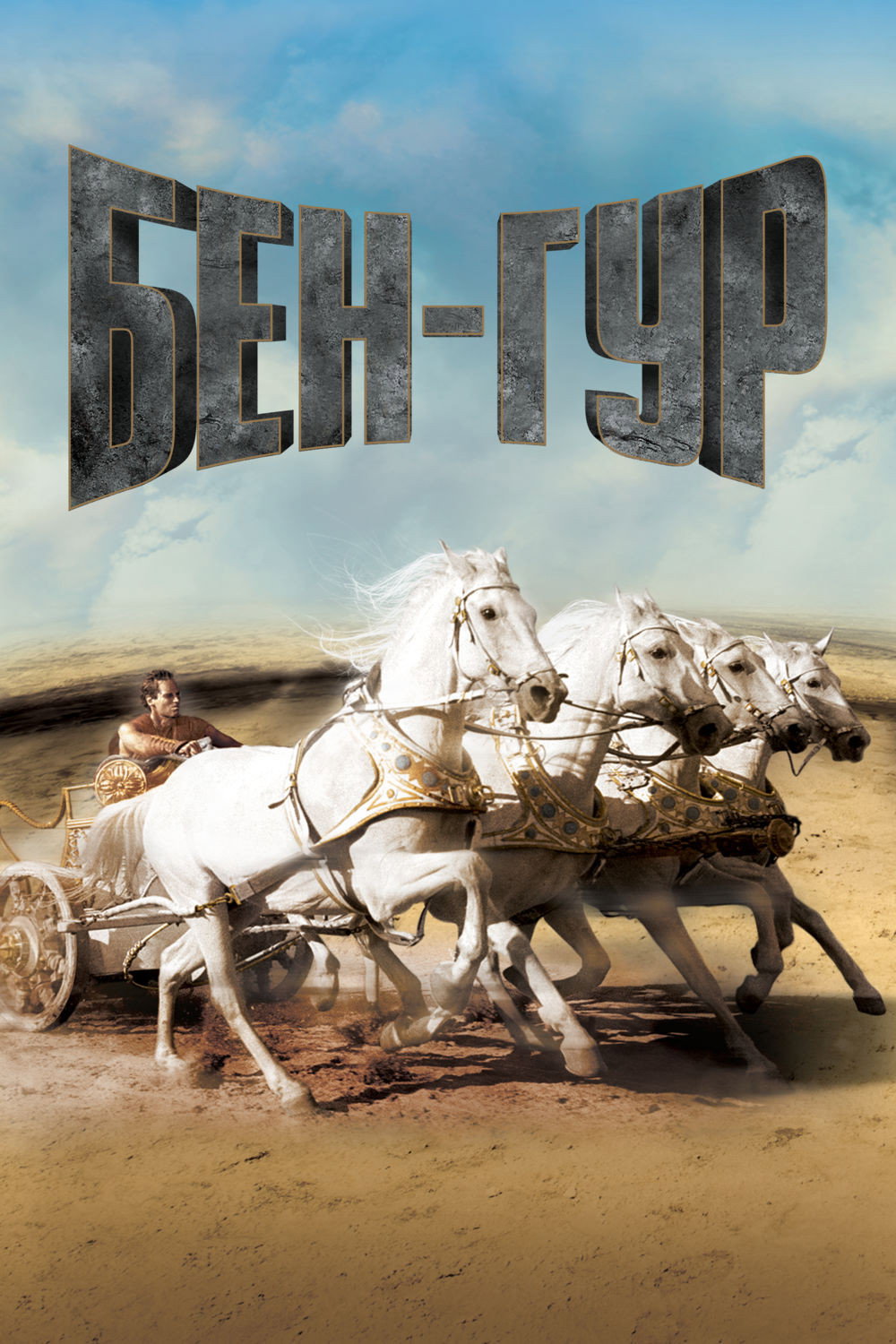
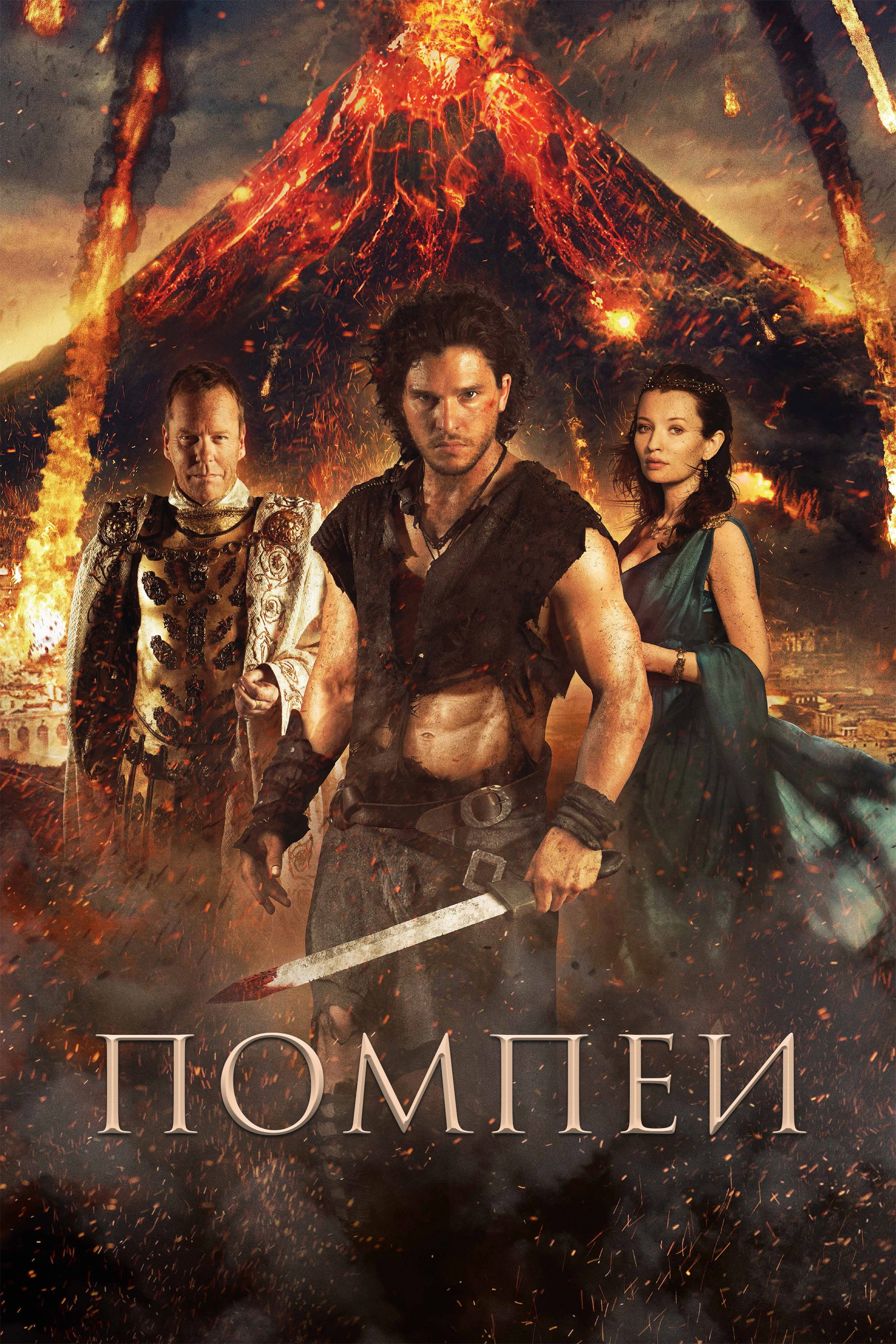
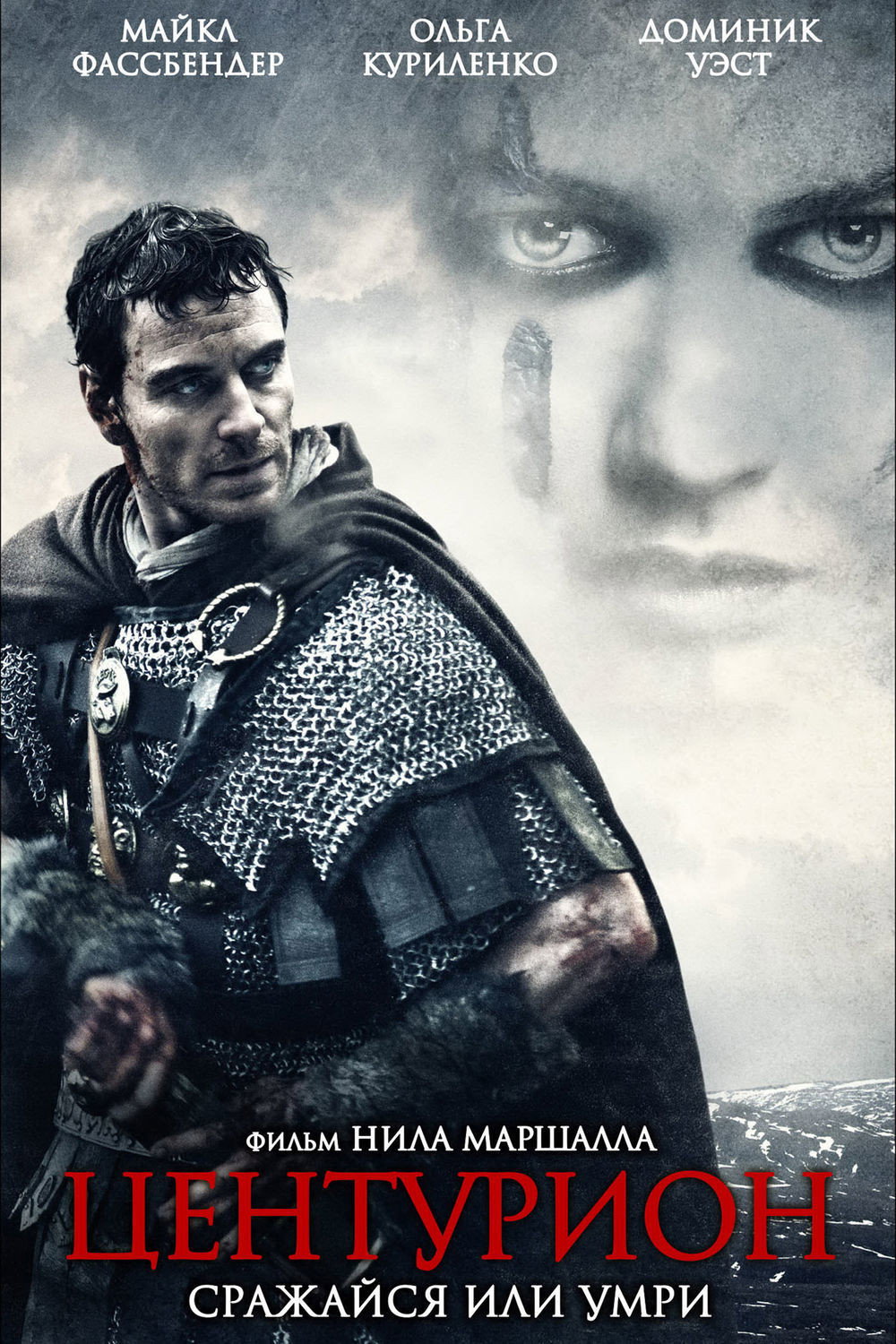
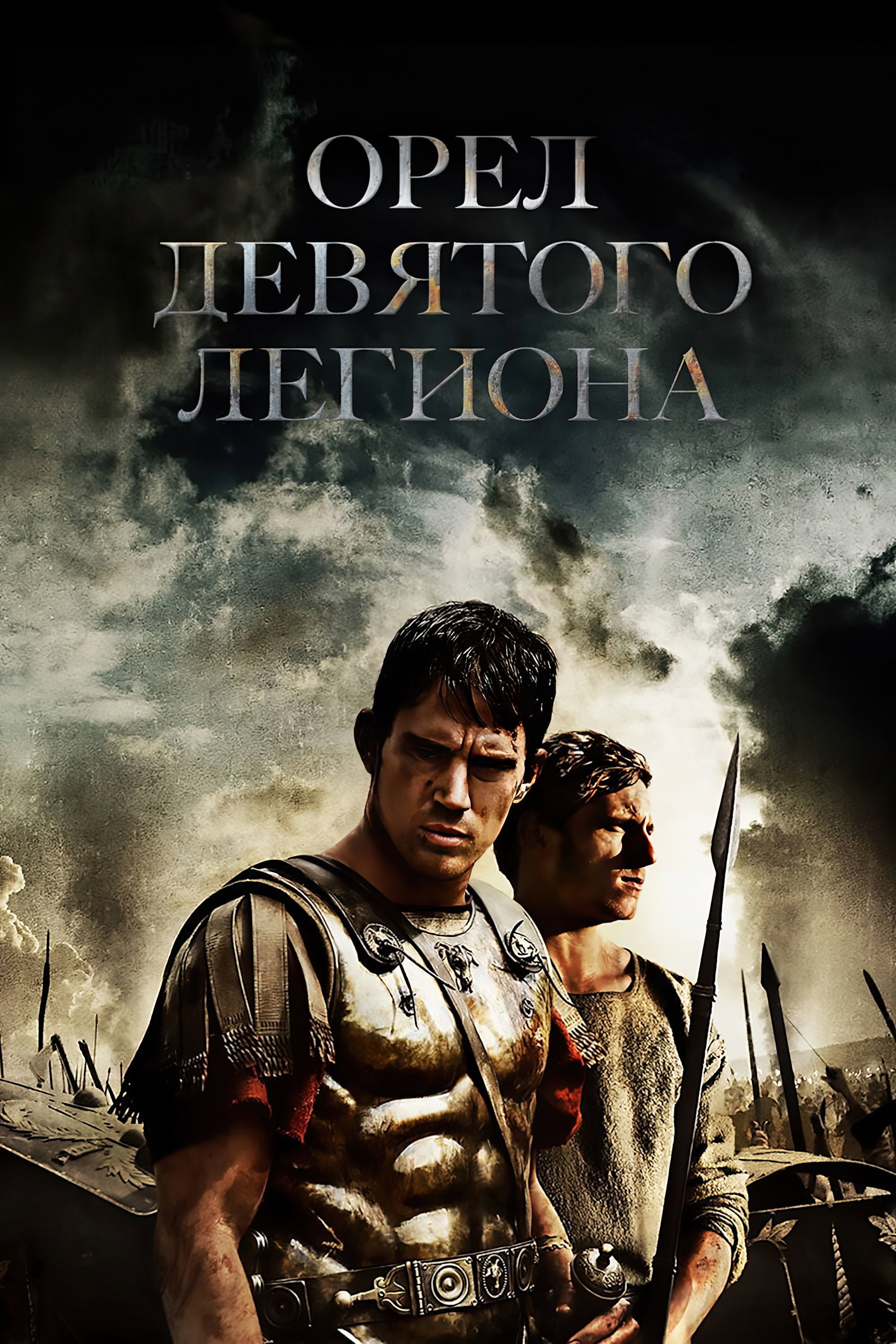
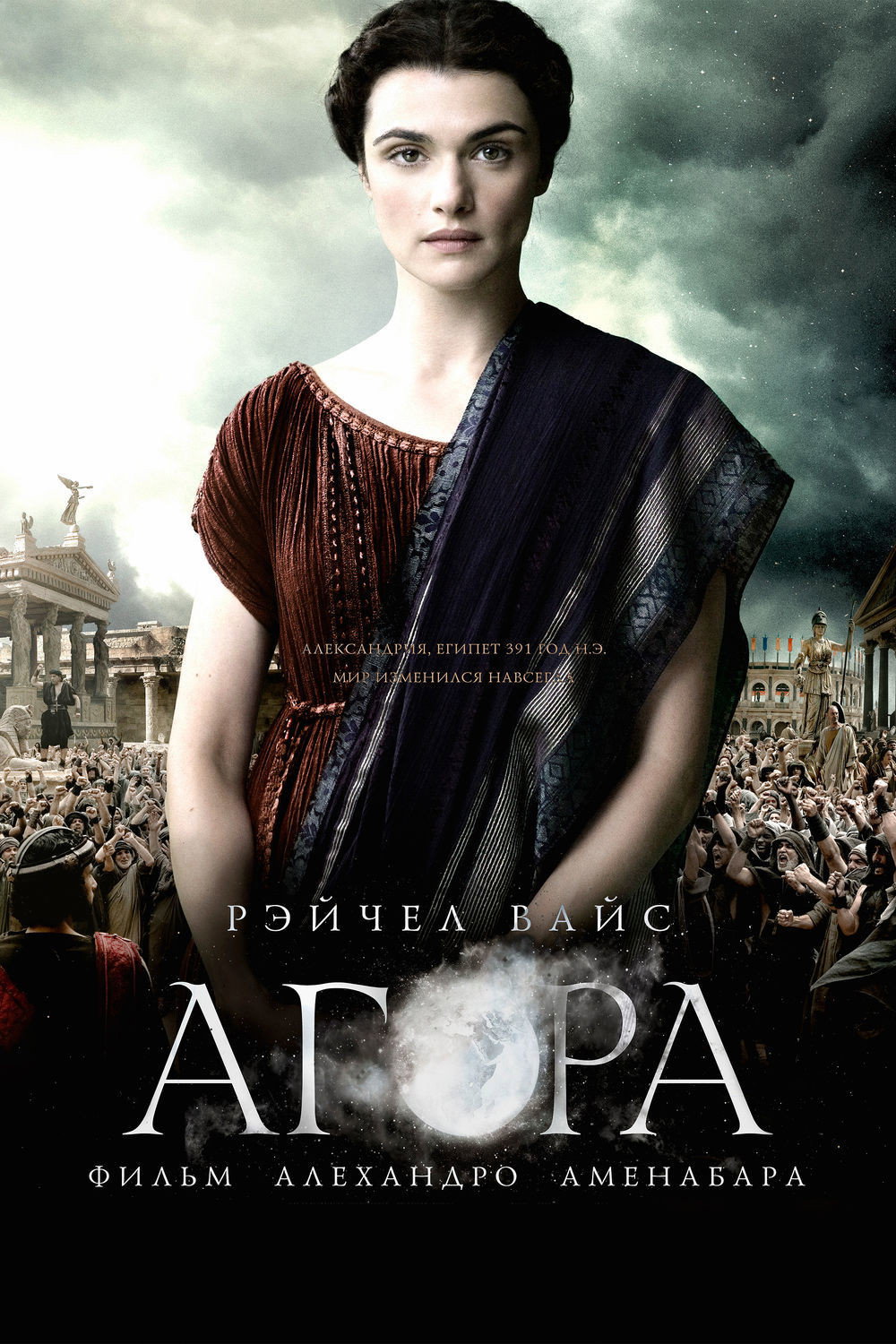
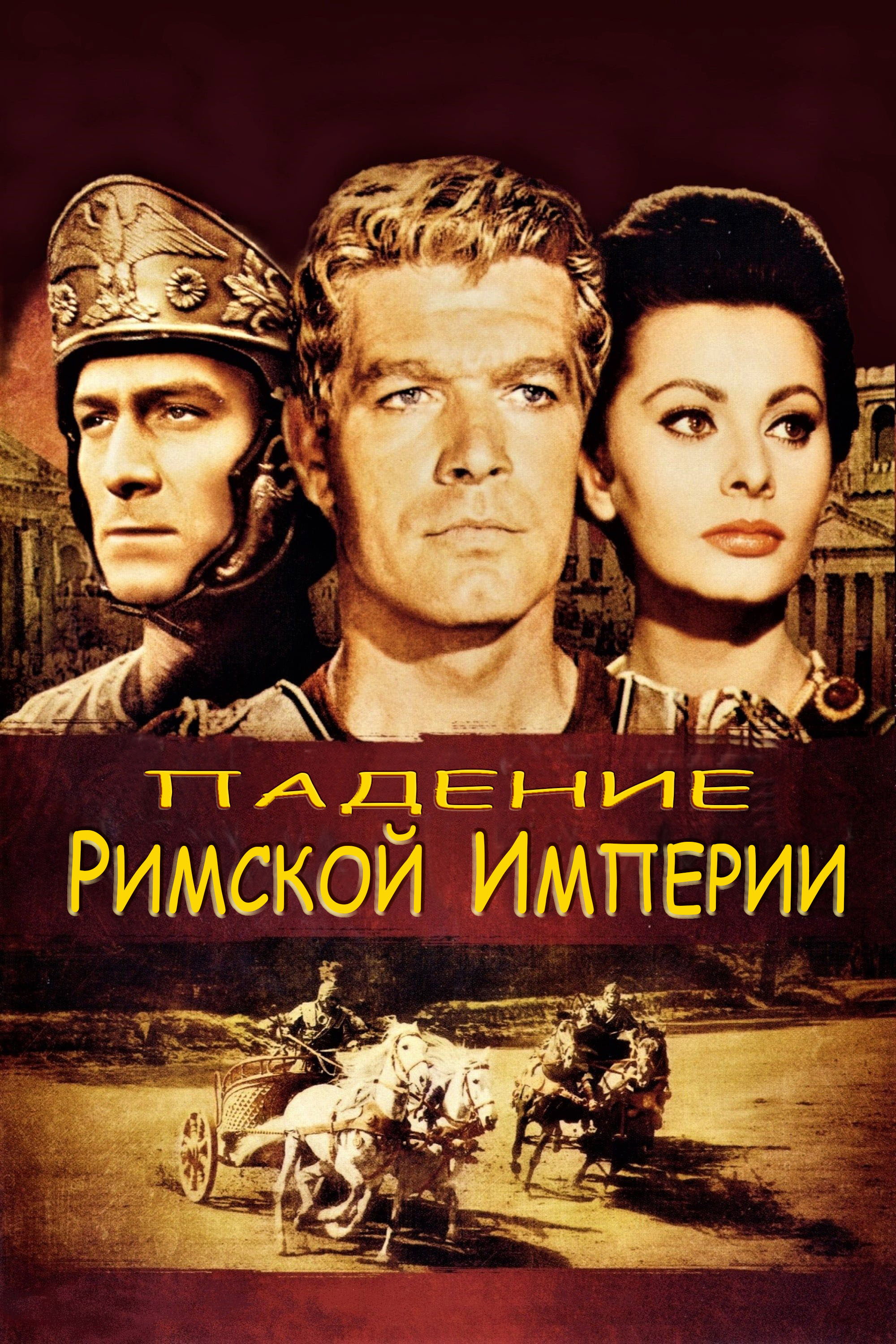
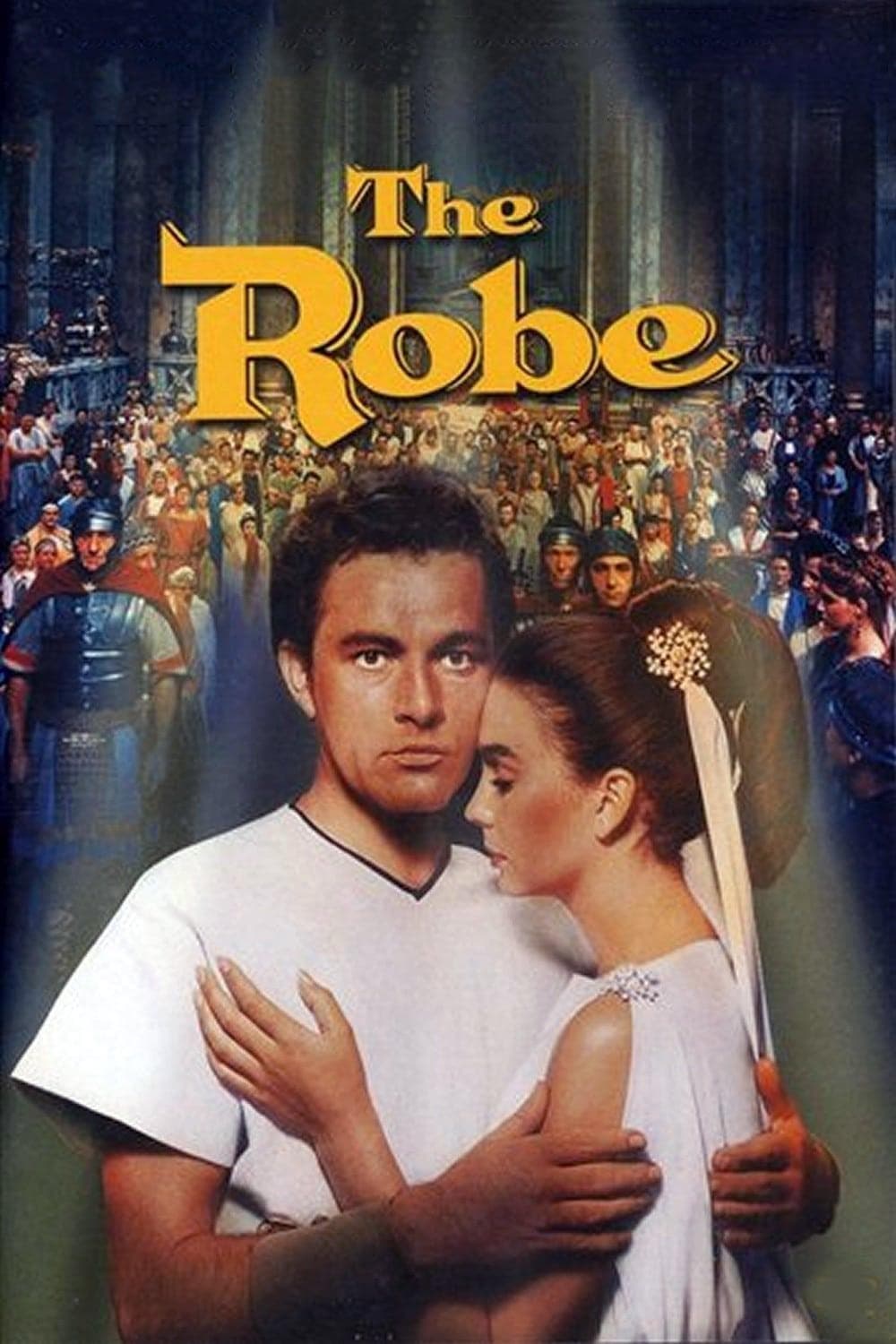
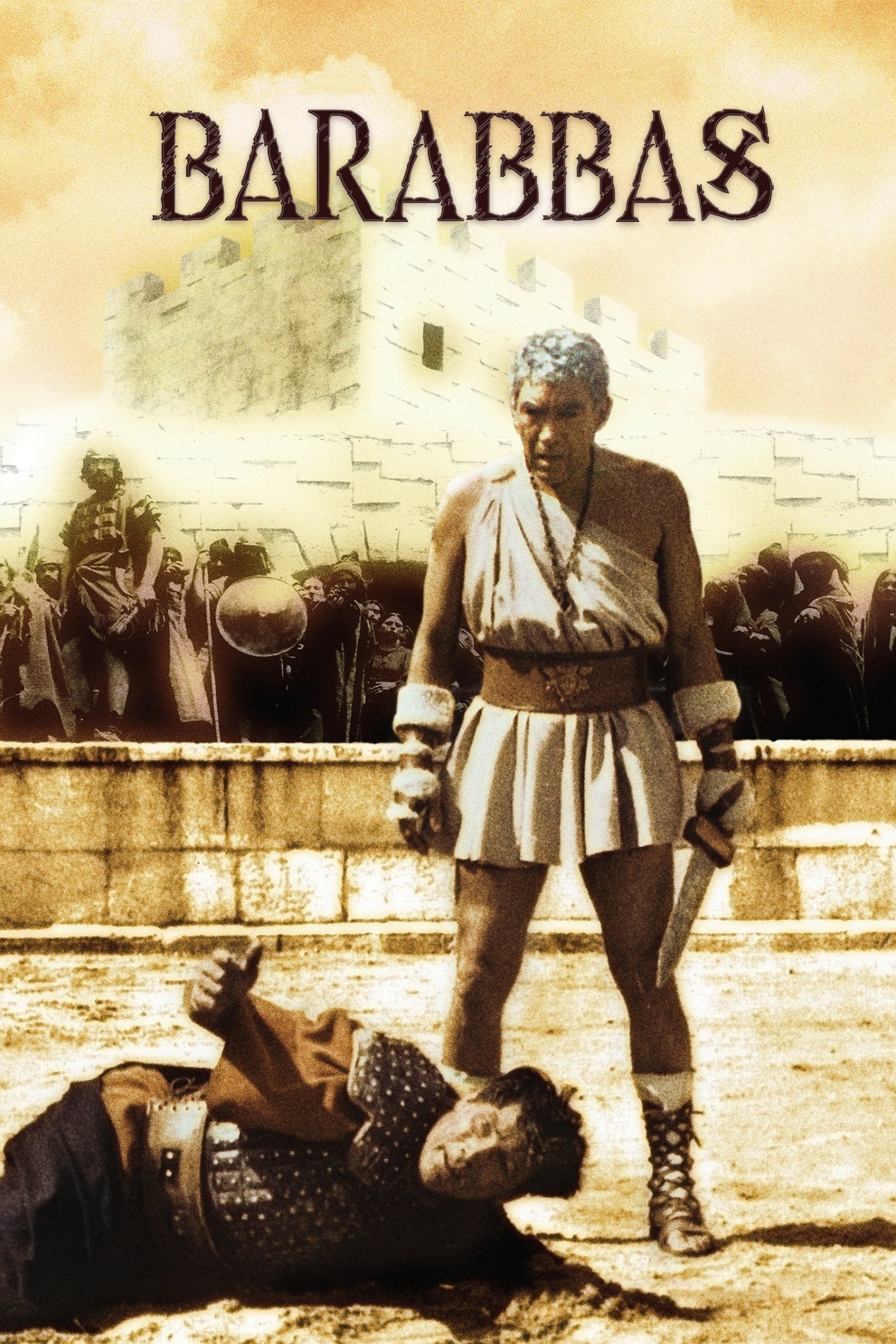
Ancient Rome hands cinema everything it craves: scale, blood, power, and the long fall that follows. Marble palaces and muddy barracks, triumphs and betrayals, a roaring Colosseum crowd deciding a man's fate with a flick of the thumb. Movies have returned here since the 1910s, from the silent epic Cabiria to the biblical spectacles of the 1950s. Then in 2000 Ridley Scott's Gladiator reopened the sword-and-sandal genre and swept five Oscars. Nearly a quarter of a century later a sequel arrived, proof that audiences still want the arena, and want it badly.
If you have never watched a Roman epic, begin with Gladiator: Maximus and his slow-burning revenge remain the benchmark the rest of the genre measures itself against. From there, reach for the classics that have held up for decades: Ben-Hur with its legendary chariot race, and Stanley Kubrick's Spartacus, where captured slaves chant that they are all Spartacus to shield their leader. For history closer to the textbook, Agora follows the astronomer Hypatia in a Christianizing Alexandria, while Pompeii turns the city's death under the ash of Vesuvius into intimate drama. If you prefer grim war films, Centurion and The Eagle both chase the mystery of the lost Ninth Legion through the fog of northern Britain.
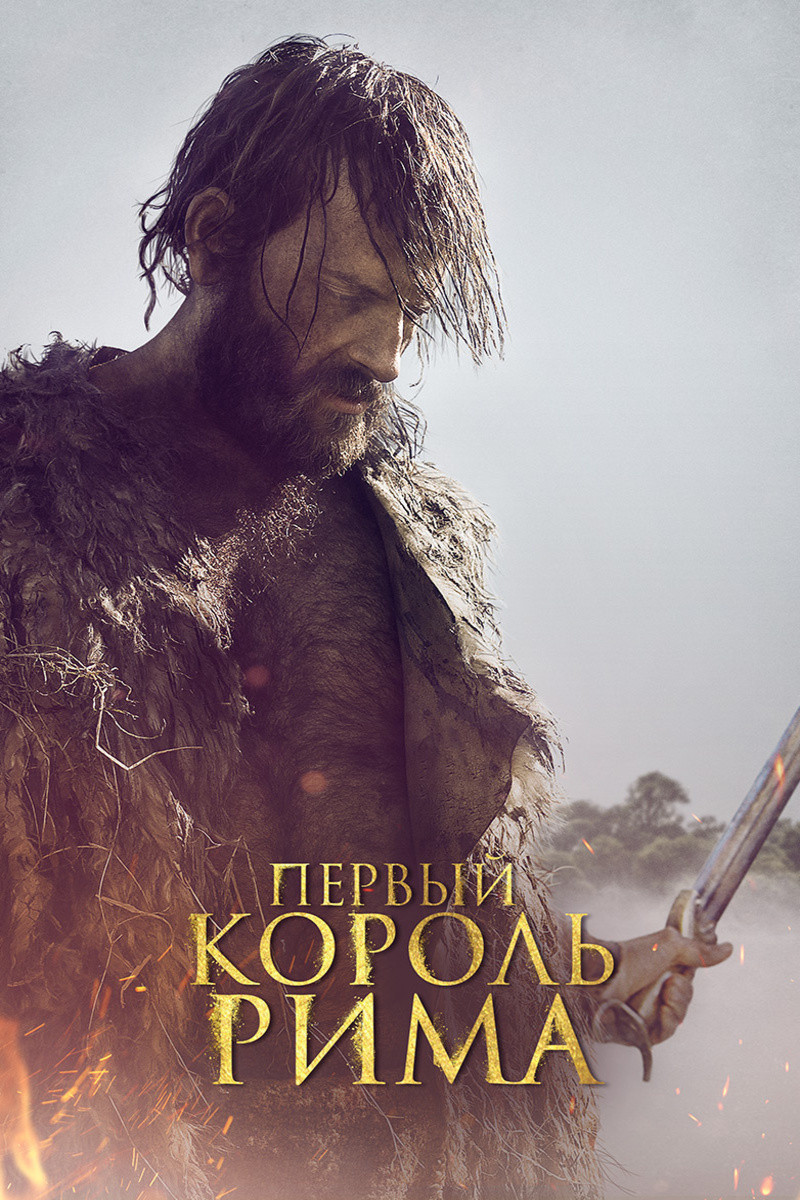
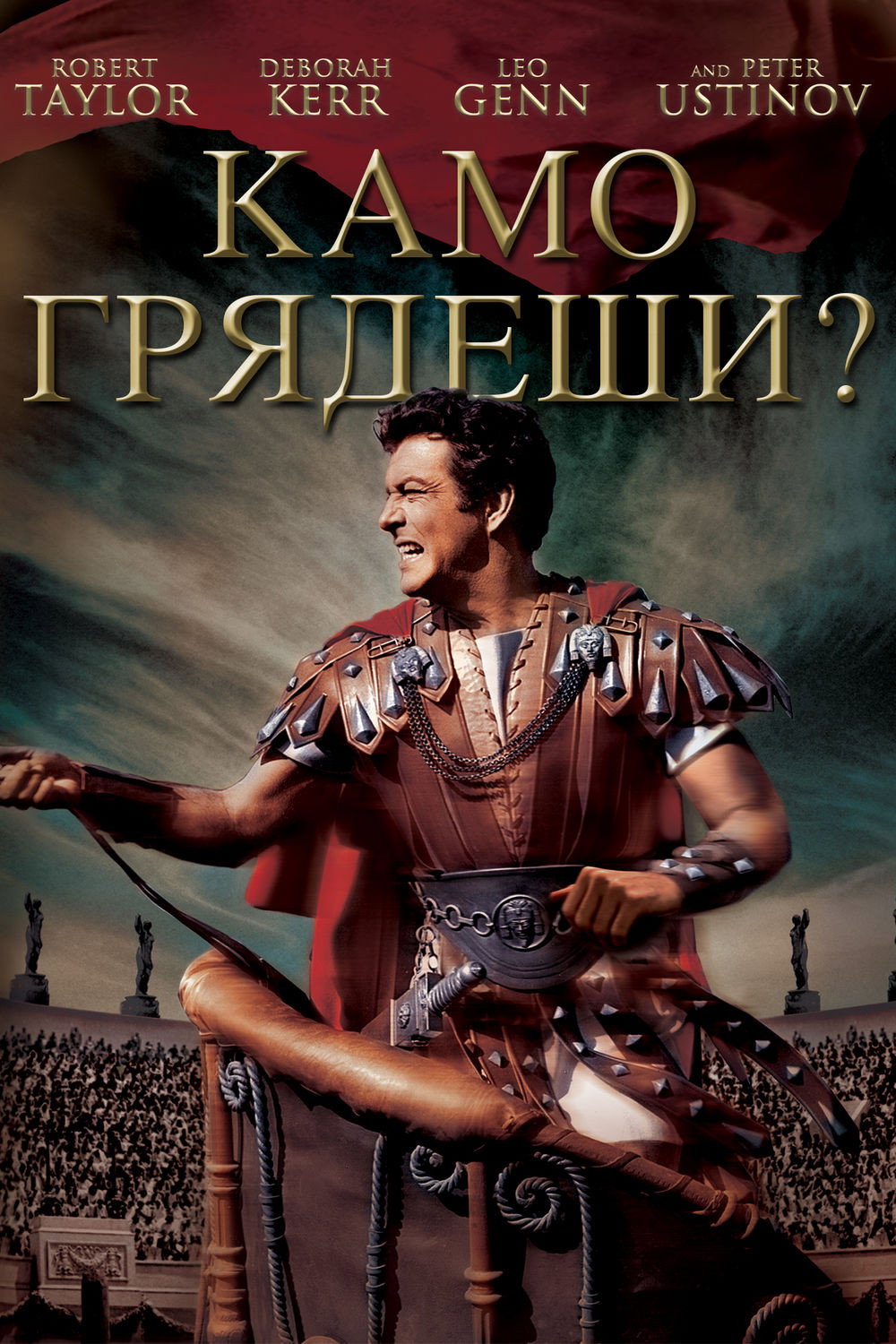
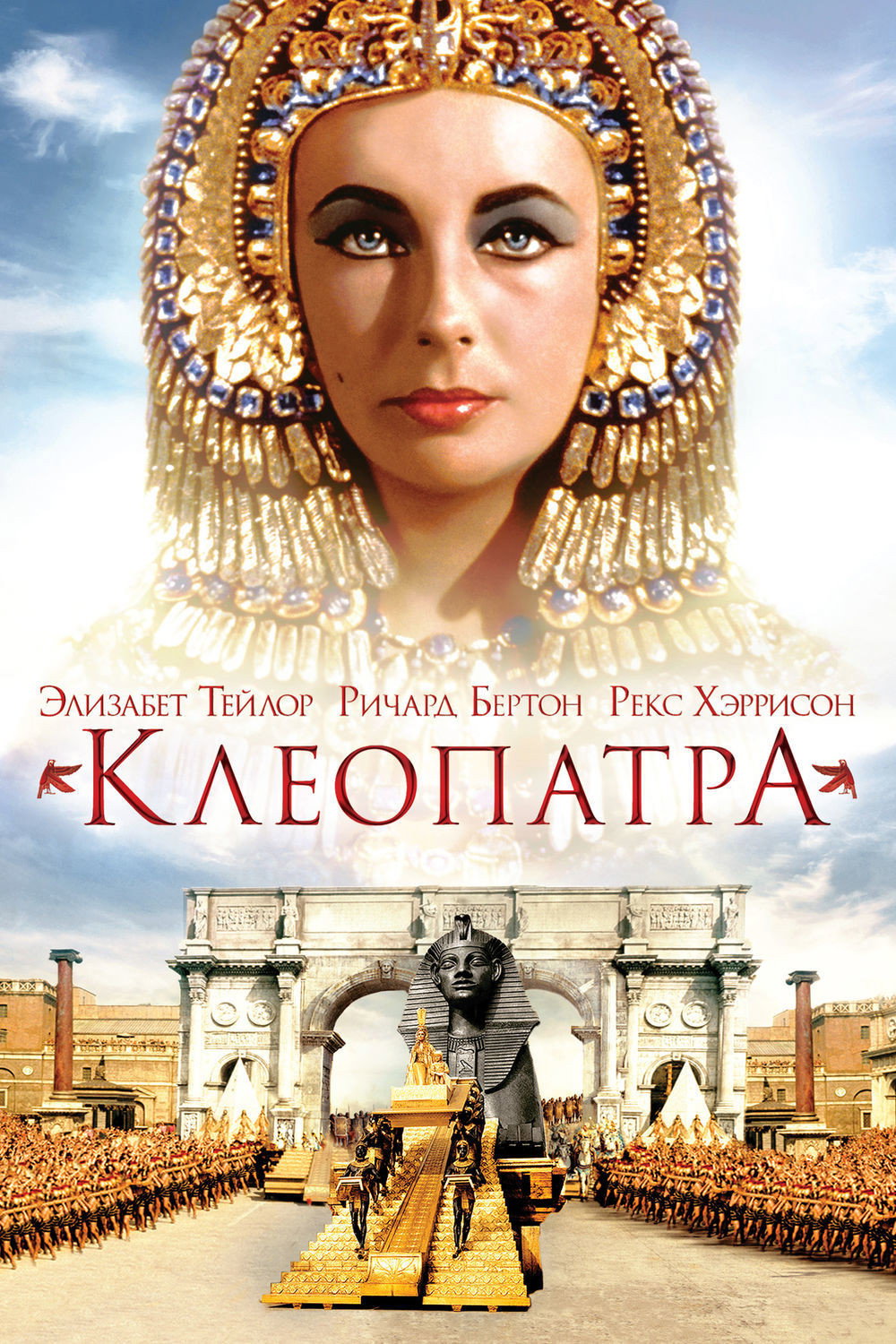
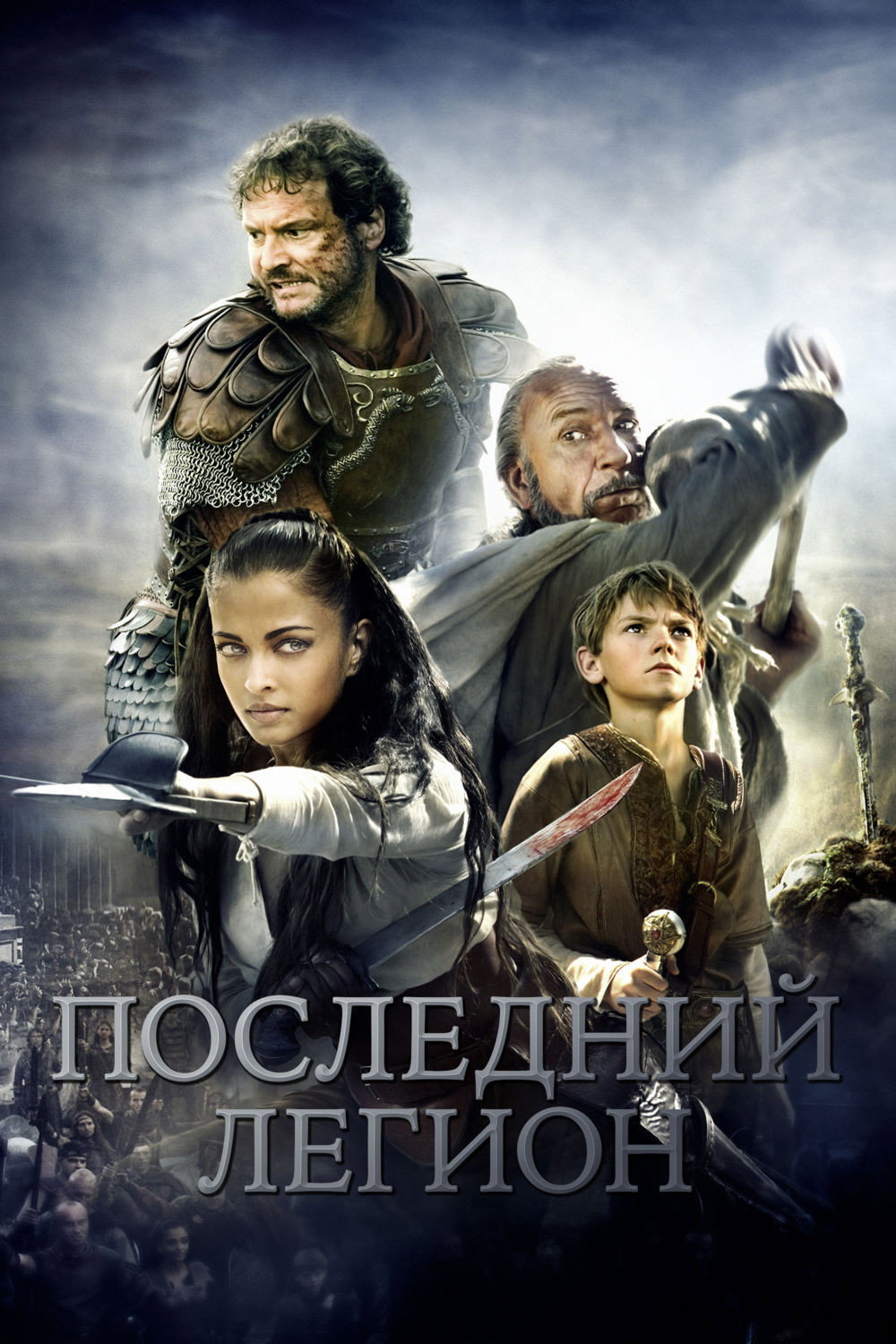
The collection spans the full arc of Roman history. The First King returns to the myth of Romulus and Remus and the muddy origins of the future capital of the world. Quo Vadis and Cleopatra show the empire at its peak, from Nero setting Rome ablaze to Caesar's eastern gambles. The Fall of the Roman Empire and The Last Legion carry you to the end: barbarians at the gates, a final boy-emperor, the close of an age that its own people believed would last forever.
Rome on screen is never only about gladiators. The Robe and Barabbas view the empire through the eyes of those pushed to its margins, not the generals and senators but the slaves, soldiers, and condemned whose lives hang on someone else's order. That is the strength of the theme: the same era looks utterly different from the Colosseum stands and from the sand below, from the imperial palace and from a dark quarry. Pick a poster and step into the world where there was bread and circuses for everyone.
Start with Gladiator, Ben-Hur, and Spartacus — the calling cards of the genre. Then move on to Pompeii, Centurion, and Agora.
Yes. Gladiator and Gladiator II center on arena combat, while Spartacus and Barabbas explore the arena and the slave revolts around it.