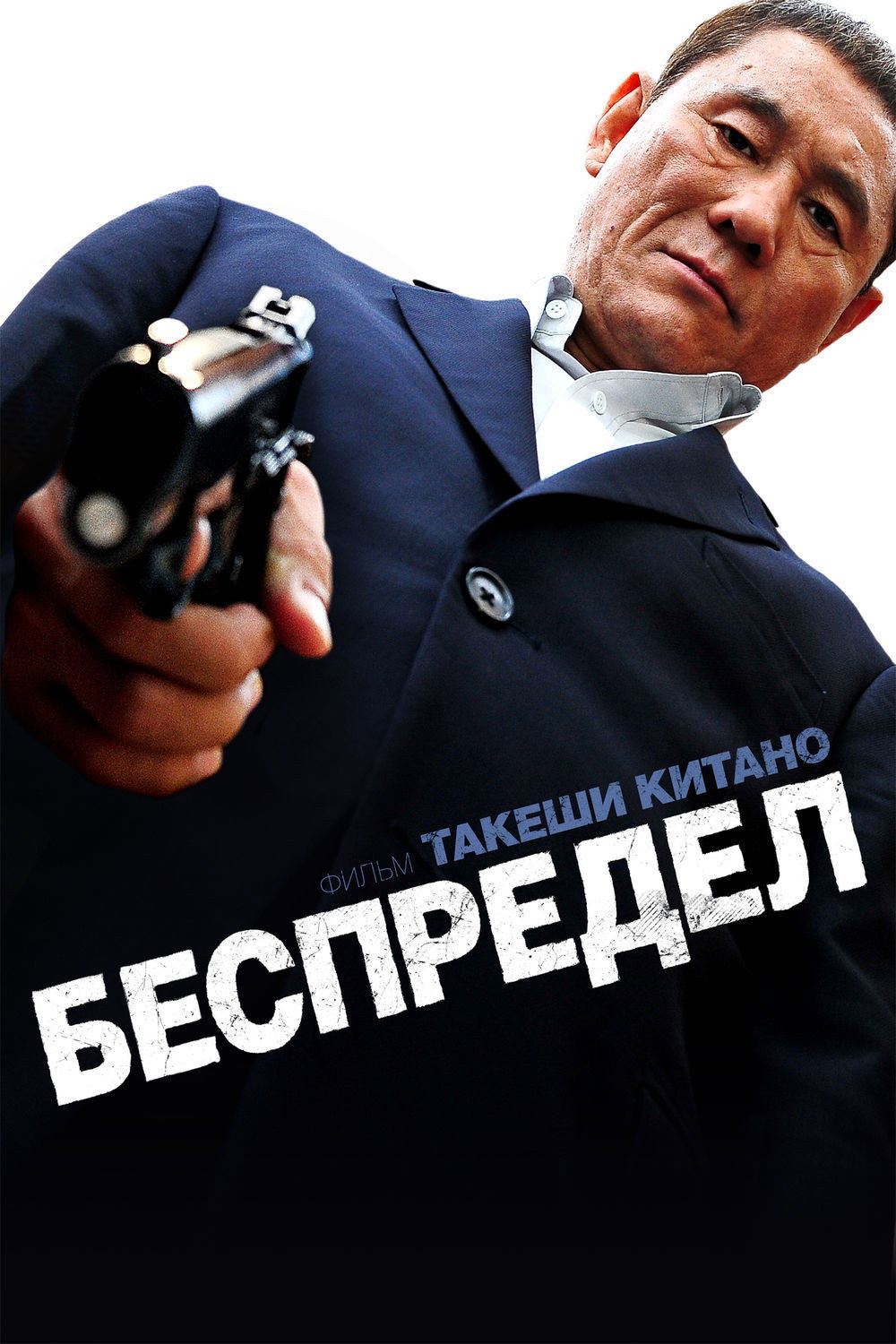
Outrage
Films about the yakuza are Japanese crime cinema you can watch online for the code, not the carnage: stories about men who put the clan above family and above their own lives.
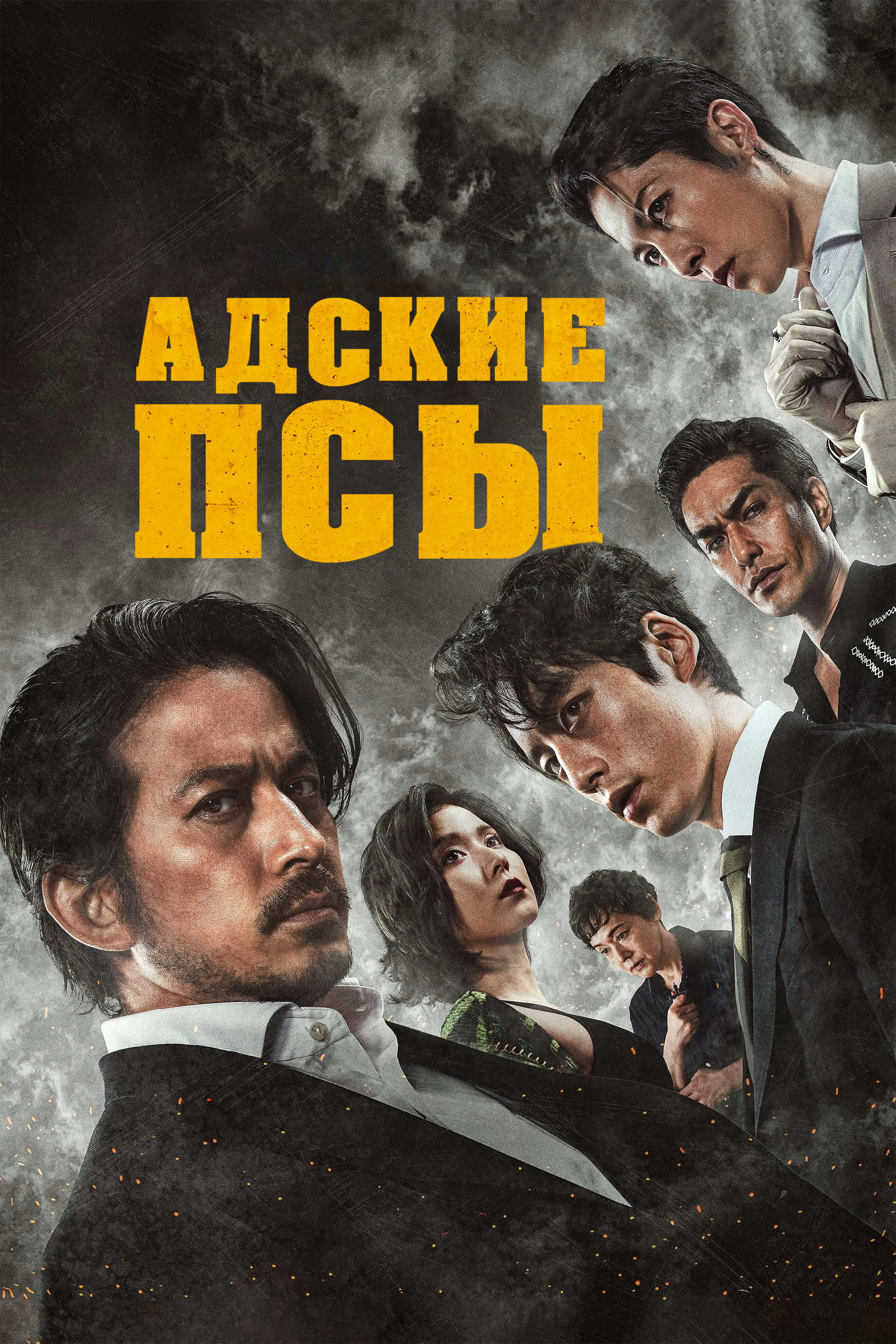
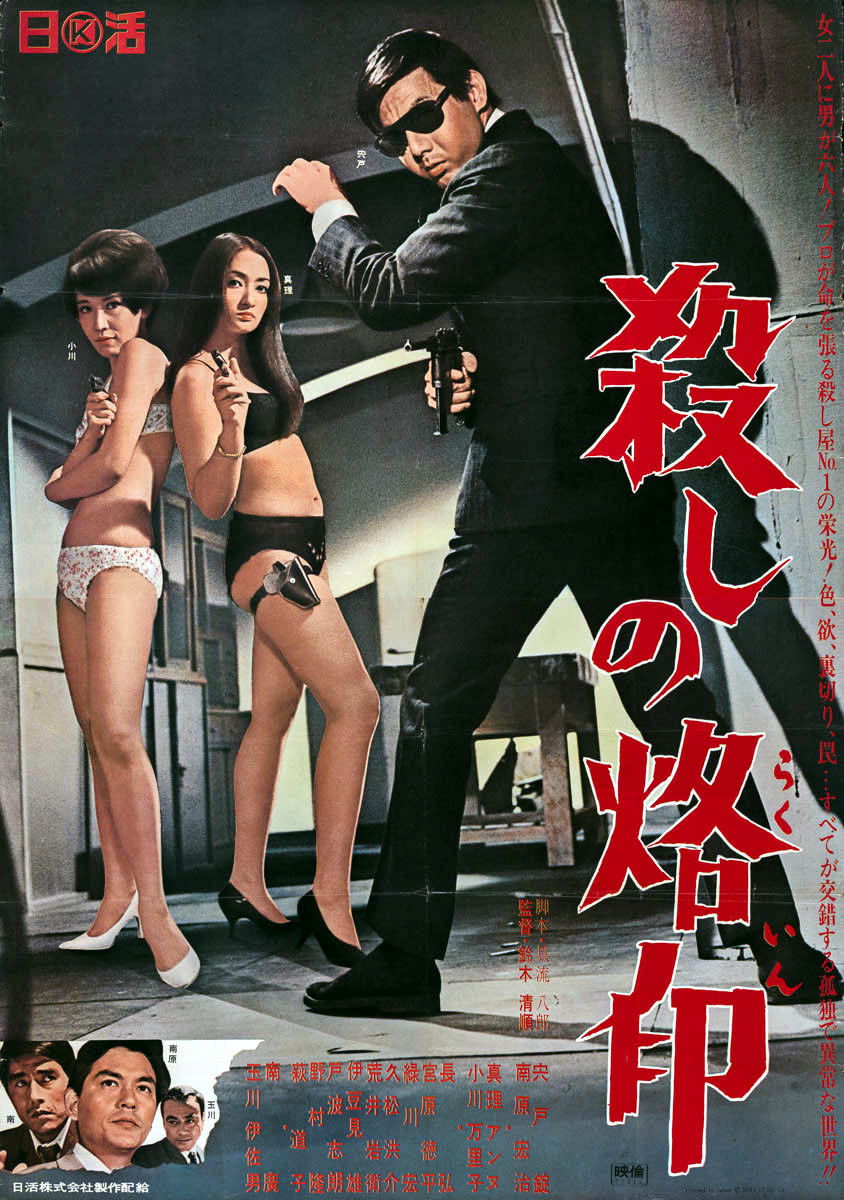
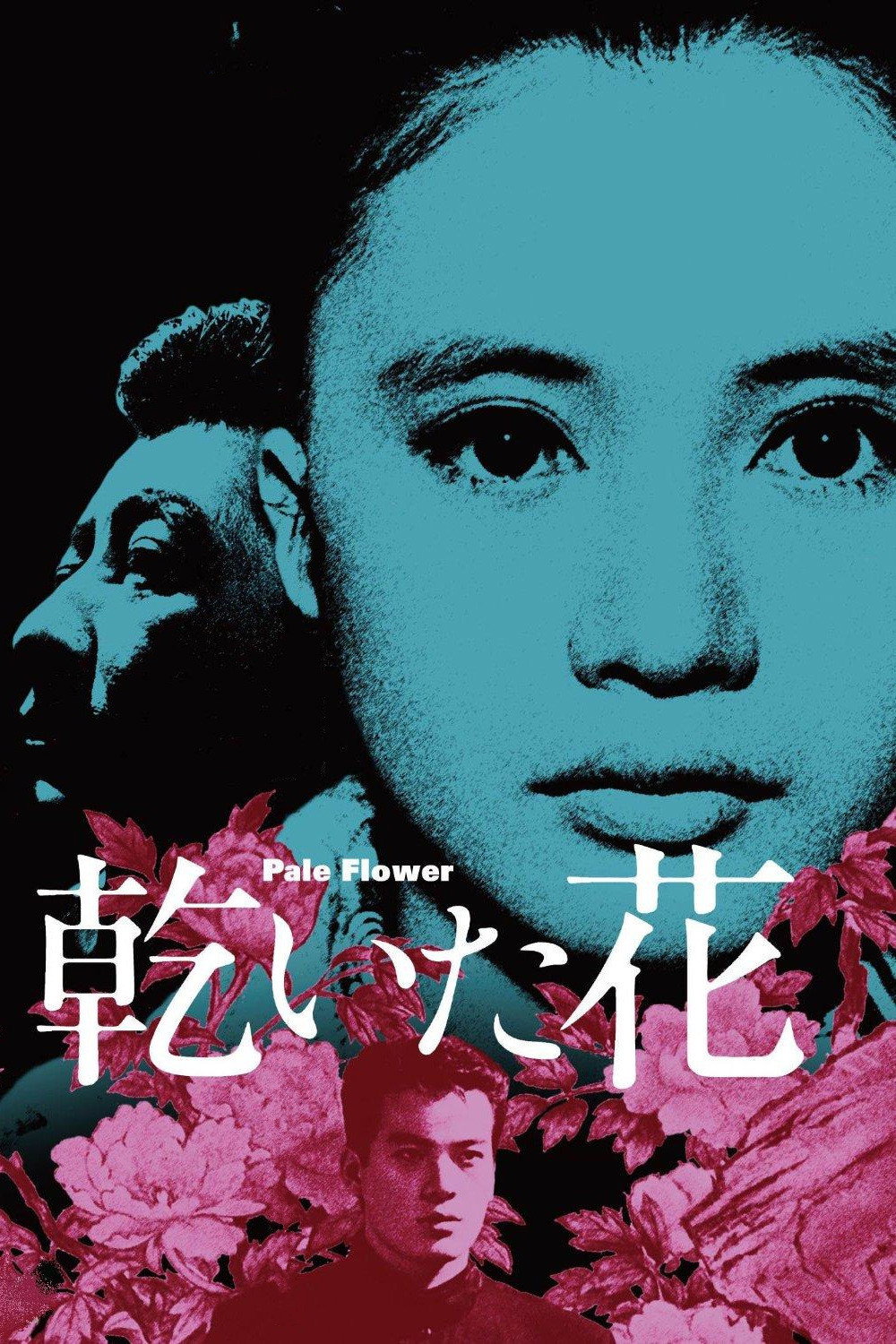
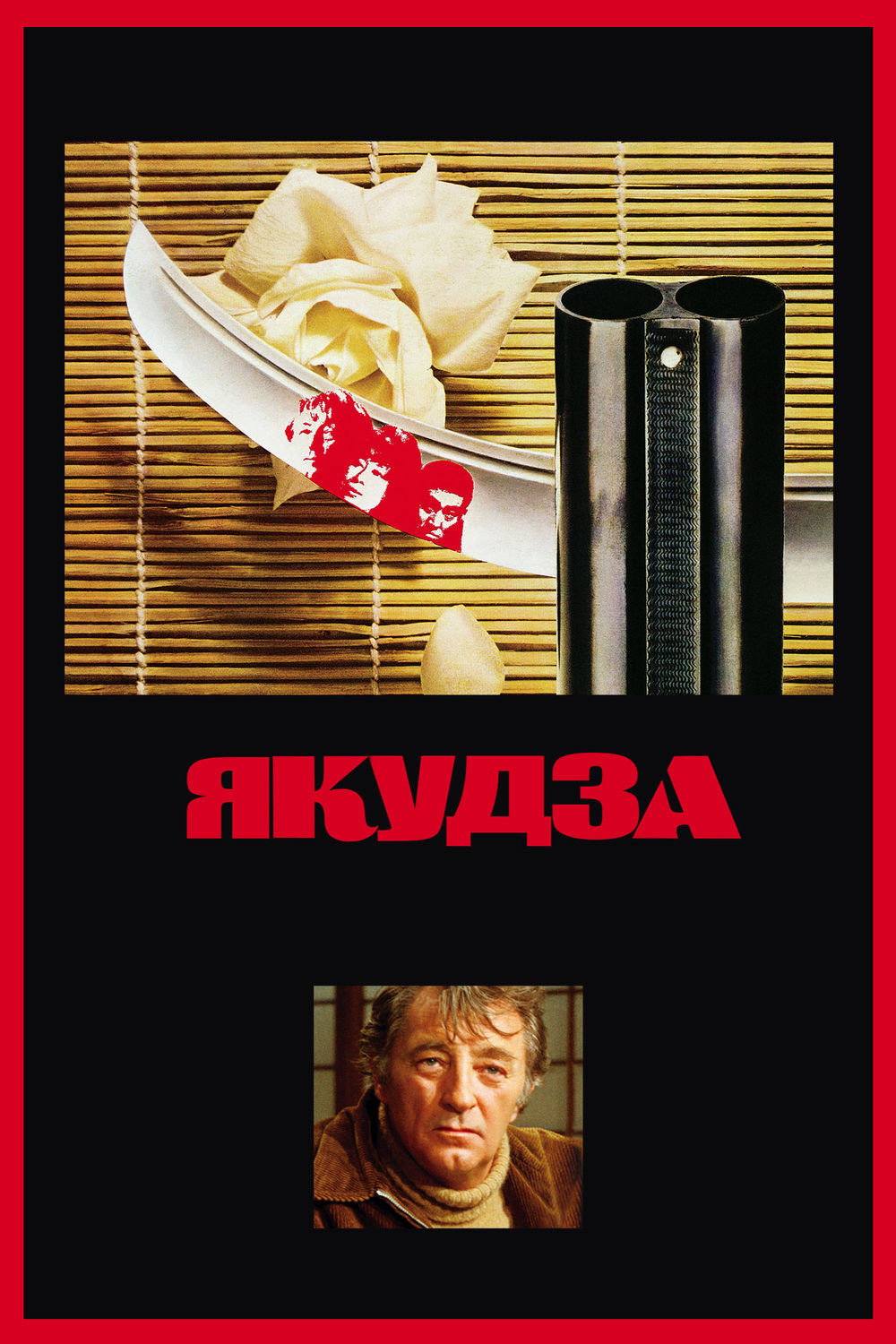
This is a curated route, not a greatest-hits reel: Takeshi Kitano's icy «Outrage», Takashi Miike's baroque «Ichi the Killer», Kinji Fukasaku's sprawling «Battles Without Honor and Humanity». It reaches back to the black-and-white cool of the 1960s — «Pale Flower», «Tokyo Drifter» — and includes the outsider's view in «Black Rain» with Michael Douglas. The range is wide, from postwar sagas to recent titles like «A Family» and «Hell Dogs».
If you like slow-burning crime built on ritual, loyalty and sudden violence, this is your night with the Japanese mafia. Press play on any title and watch it online.
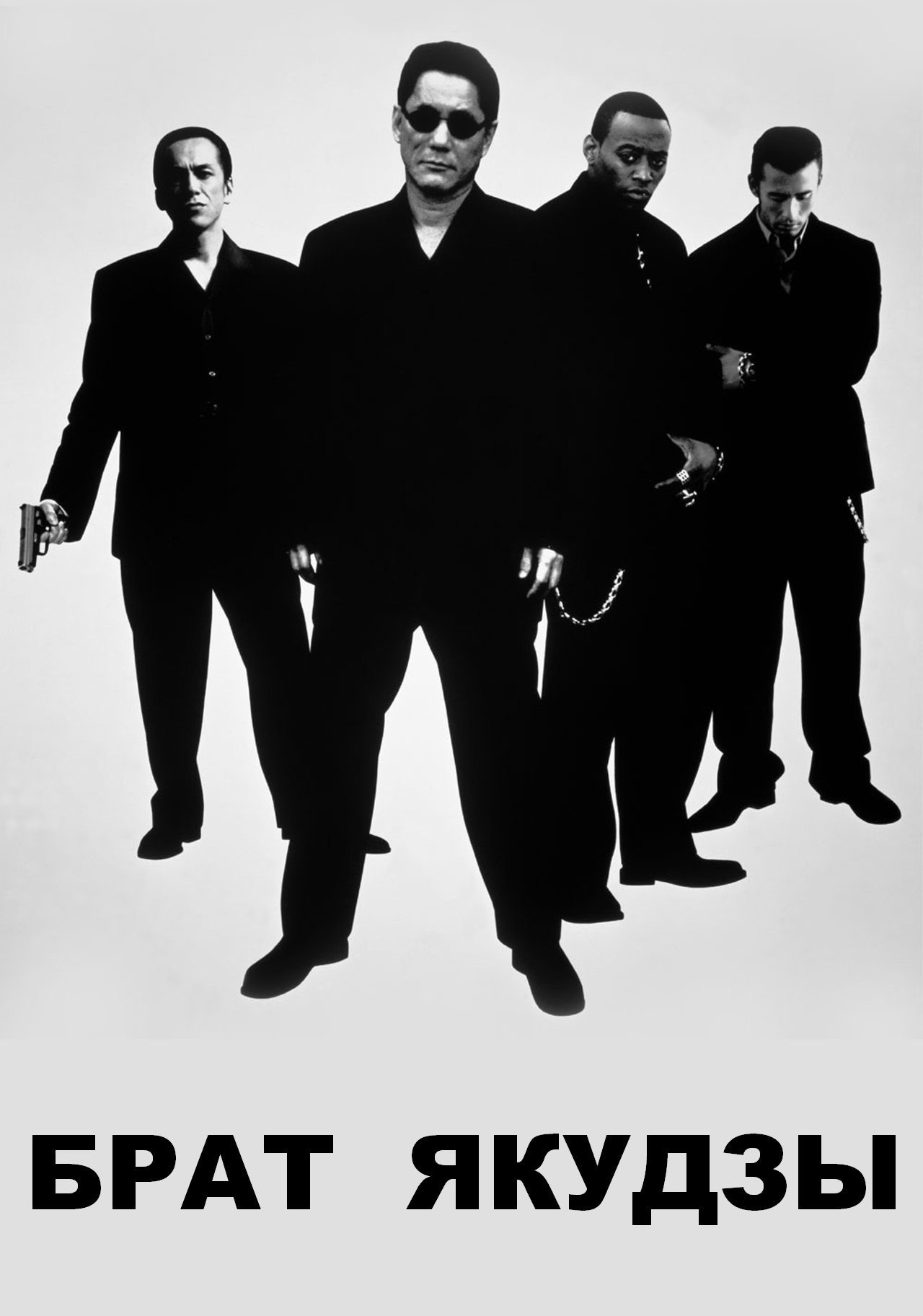
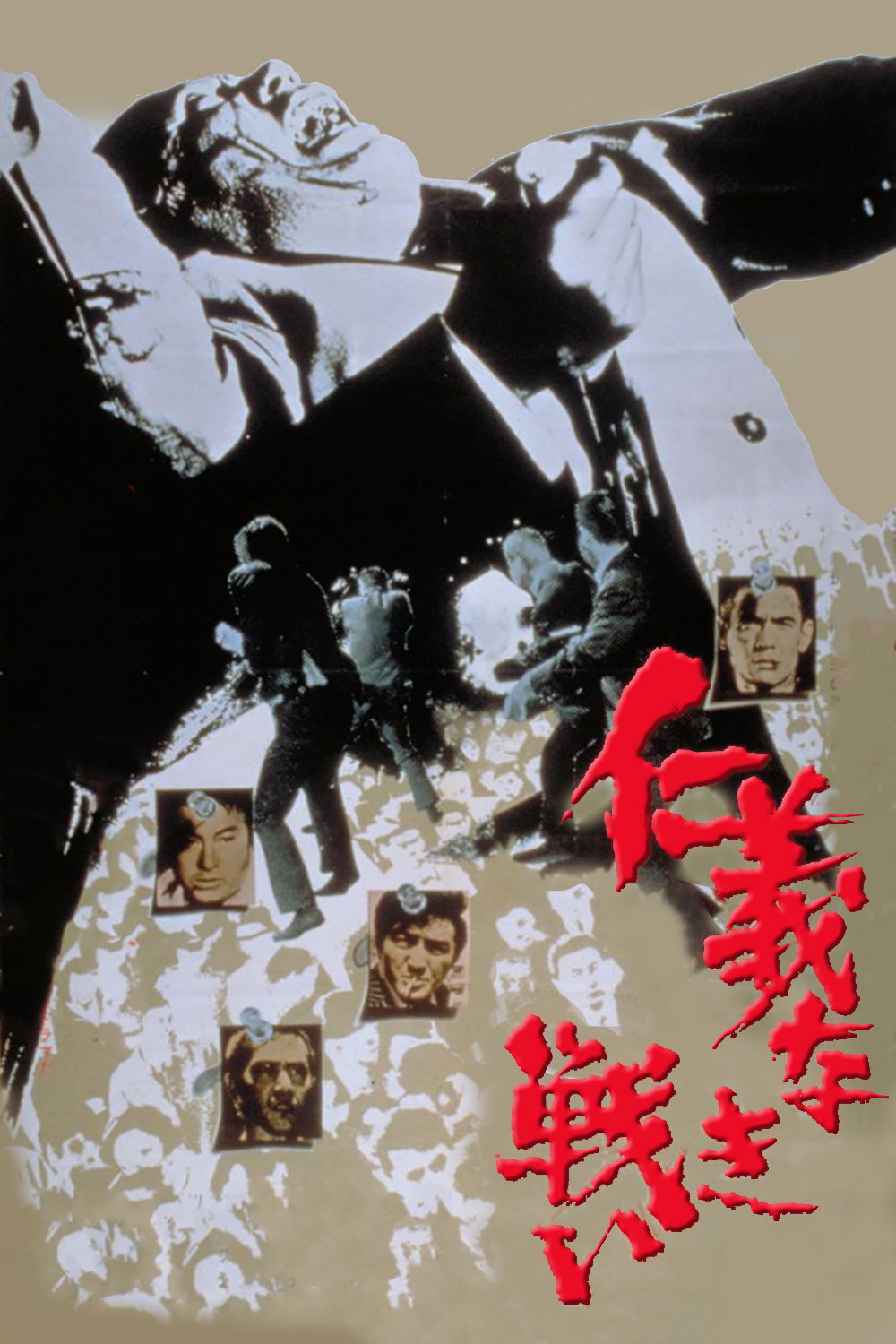
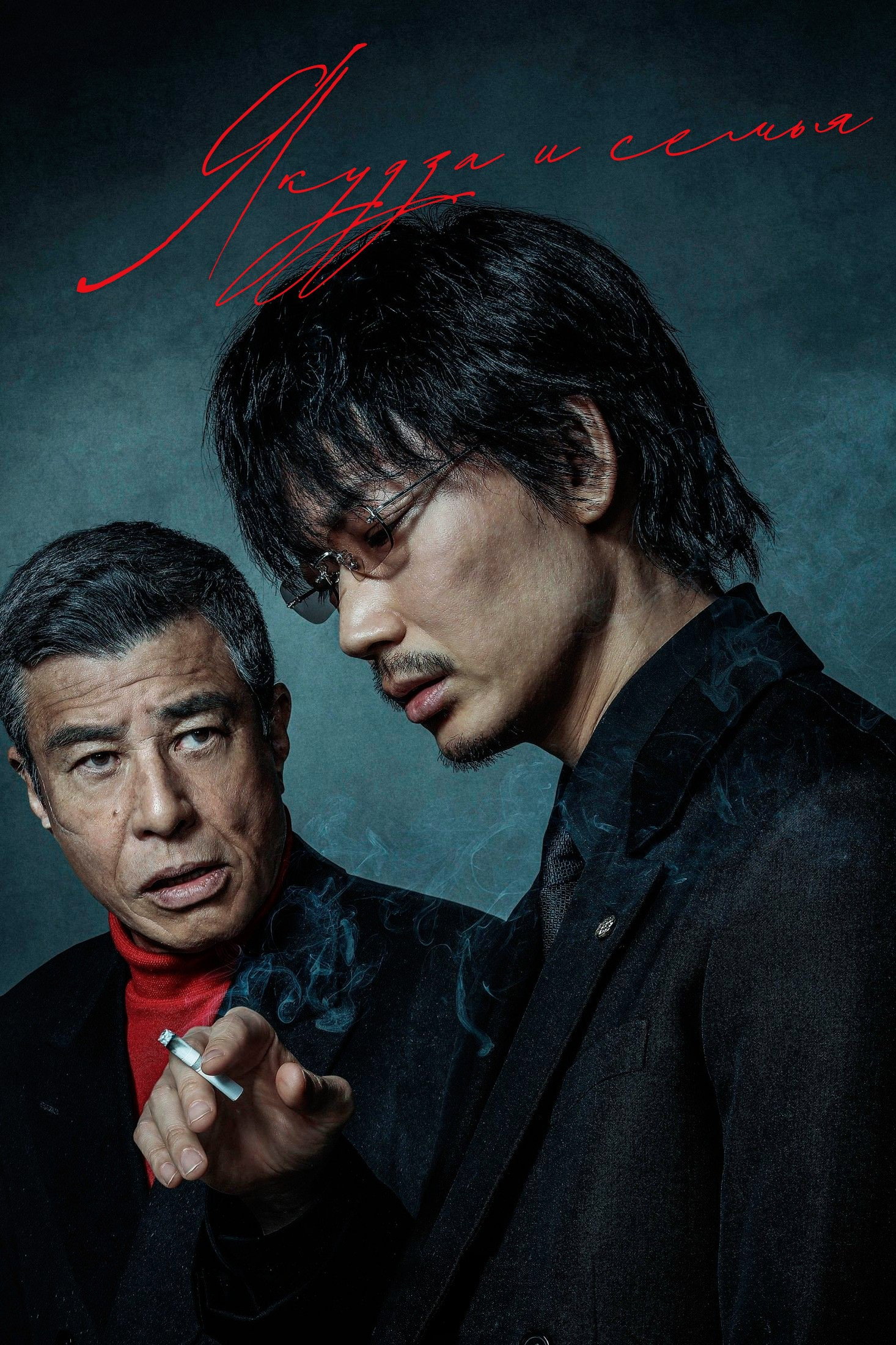
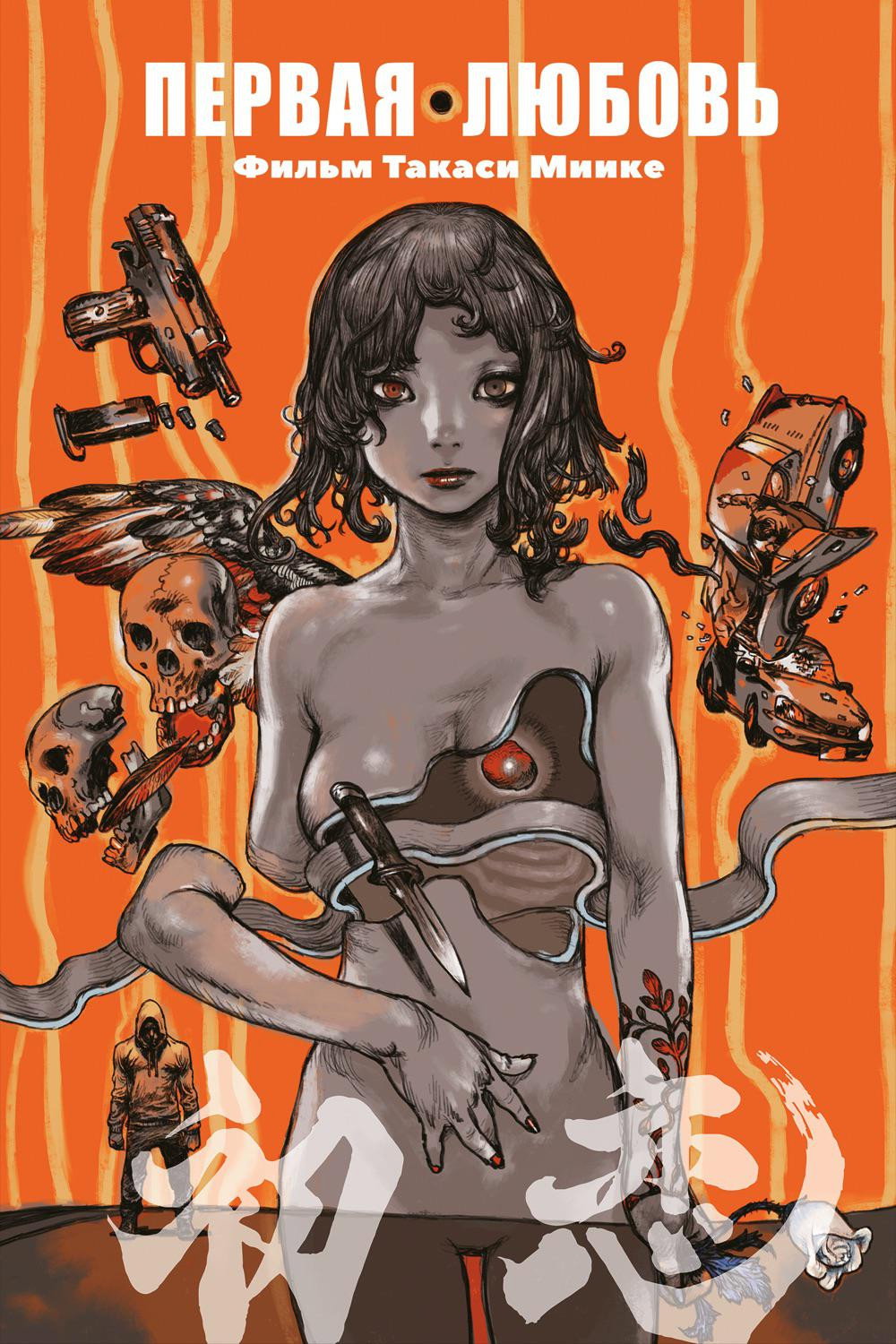
The yakuza are more than Japanese gangsters. They are a closed world with its own hierarchy, rituals and idea of honor, and that is why films about them come in so many shapes: from glacial drama to near-cartoon brutality.
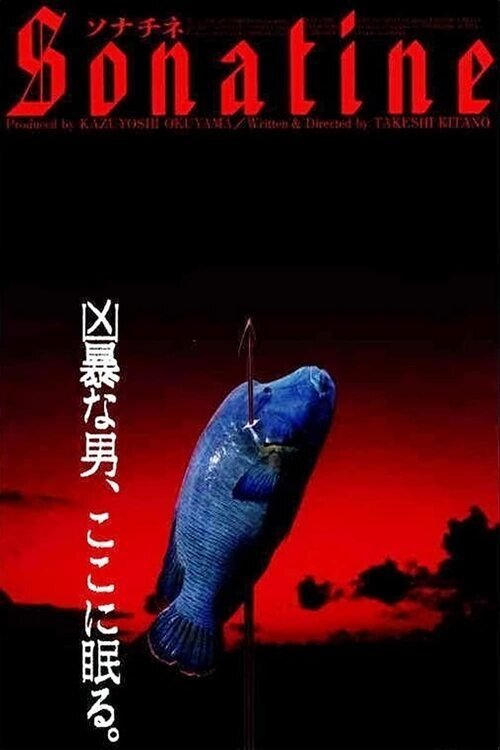
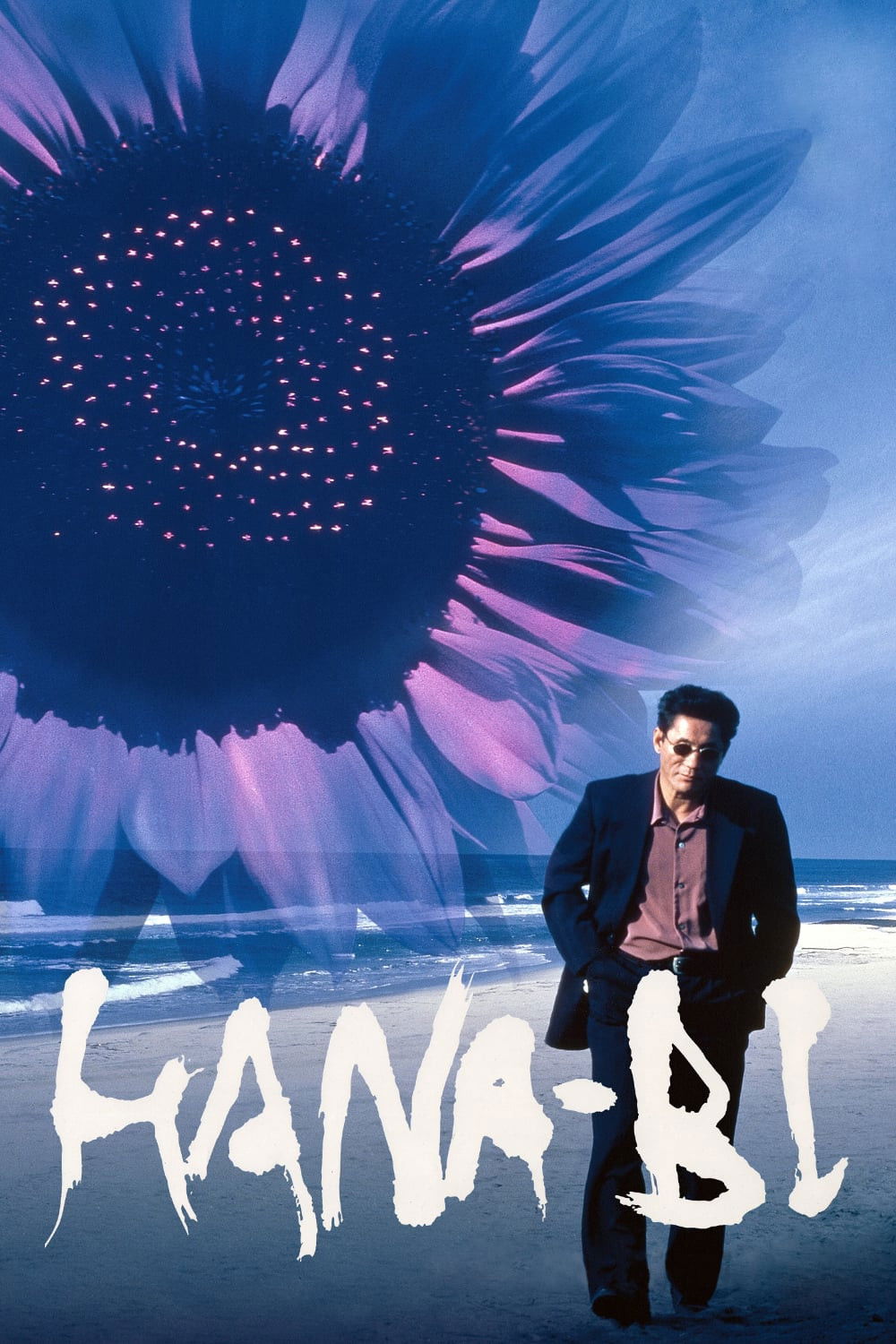
The best yakuza films are less about who shot whom than about what a man pays for loyalty to his clan. A severed fingertip, a bow to the boss, the impossibility of ever walking away — these details hold a story together better than any gunfight. In Takeshi Kitano's «Outrage» and «Sonatine» the violence arrives suddenly and matter-of-factly, with no music and no swagger, and the long silences in between are where his characters actually live. Kinji Fukasaku's «Battles Without Honor and Humanity» turns postwar Hiroshima into an epic where former soldiers carve up the city and the very notion of honor quietly dissolves.
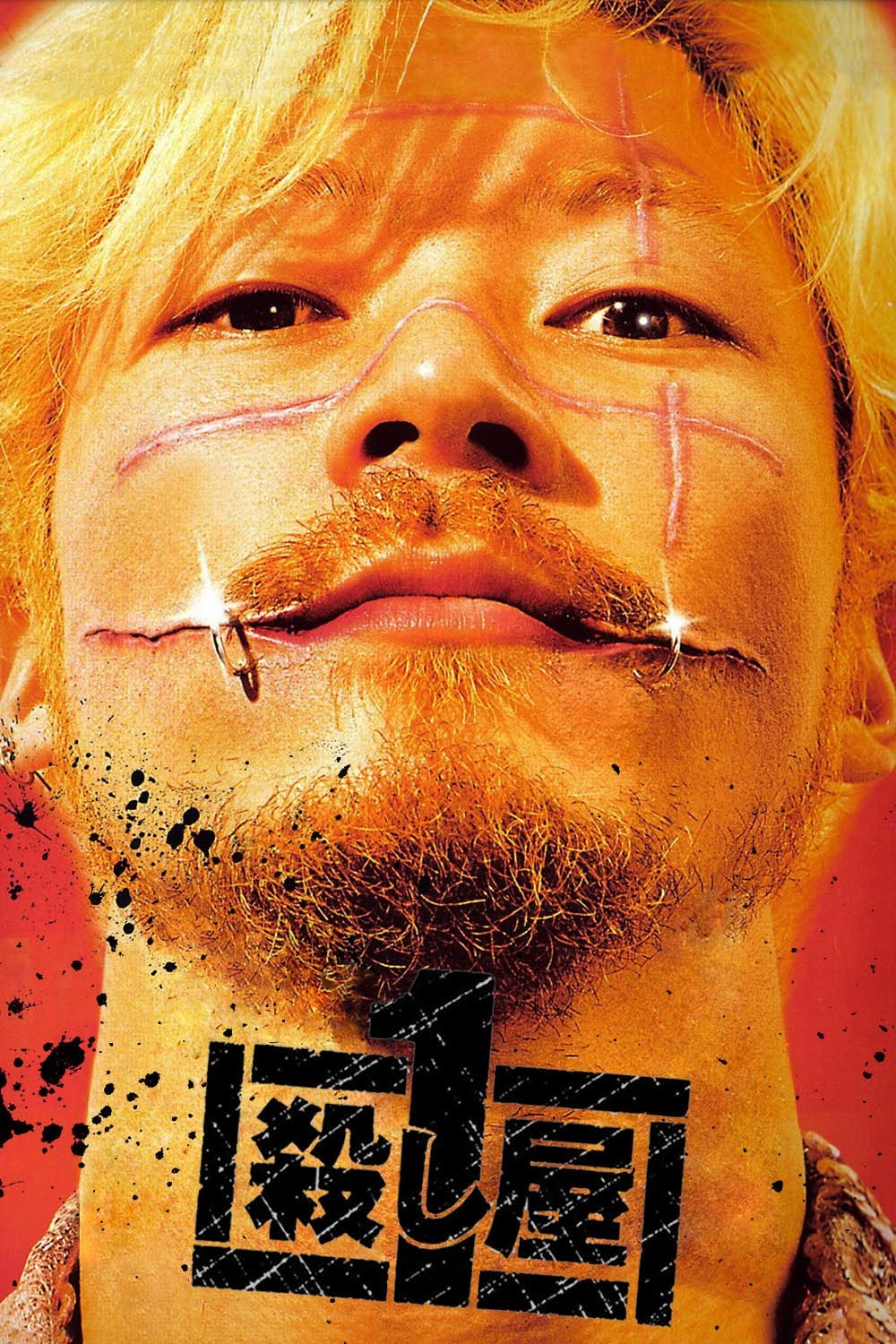
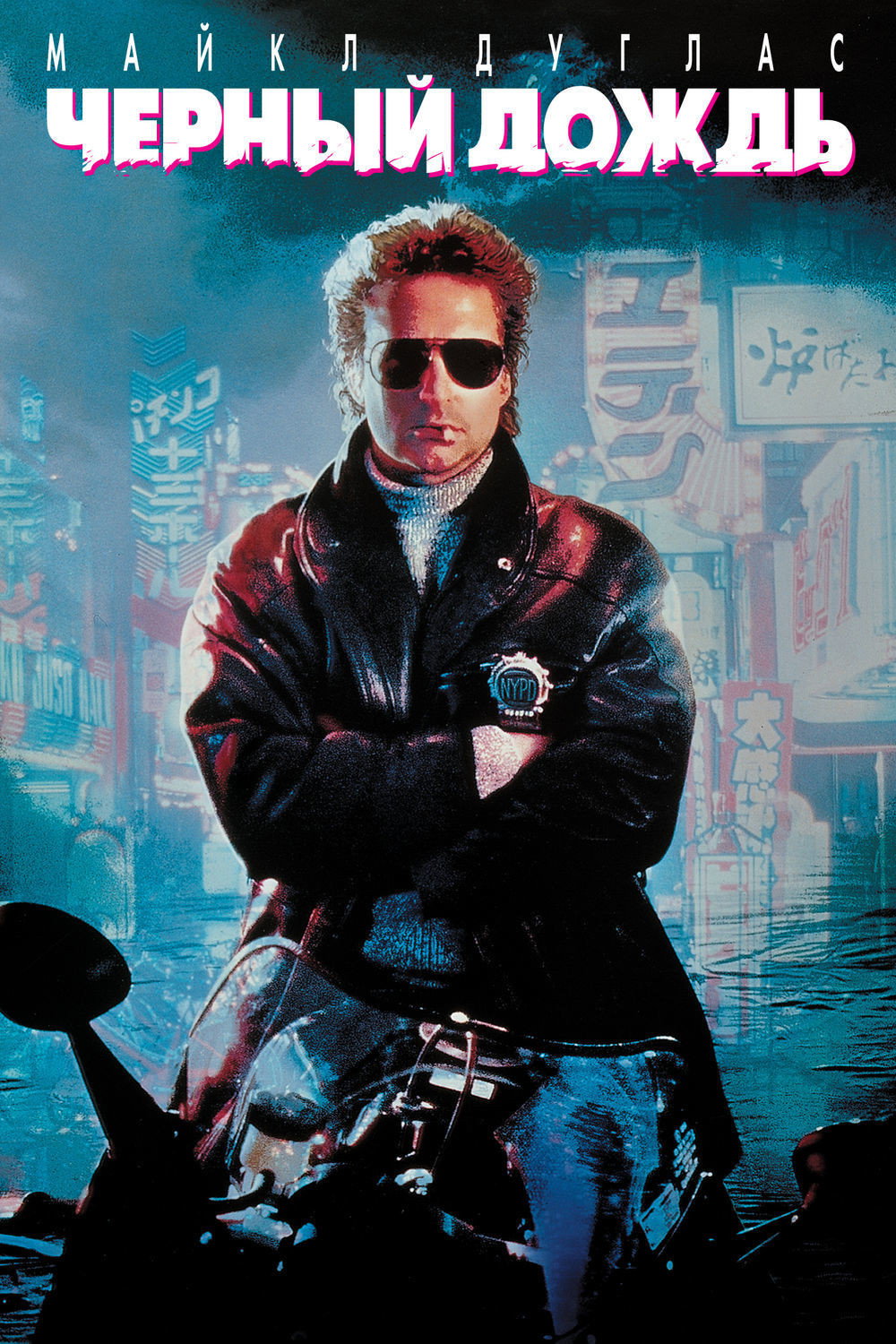
New to this world? Begin with Kitano: «Outrage» is the most direct way in, a clan war stripped of romance. Then try Takashi Miike's «Ichi the Killer», but be warned: it is baroque, almost unbearable cruelty, an aesthete's spectacle that is not for everyone. Want the outsider's view? «Black Rain» by Ridley Scott drops an American cop into Osaka and lets the audience get lost alongside him. For modern drama there is «A Family», thirty years in the life of one clan filmed as a family saga, where devotion turns into a trap.
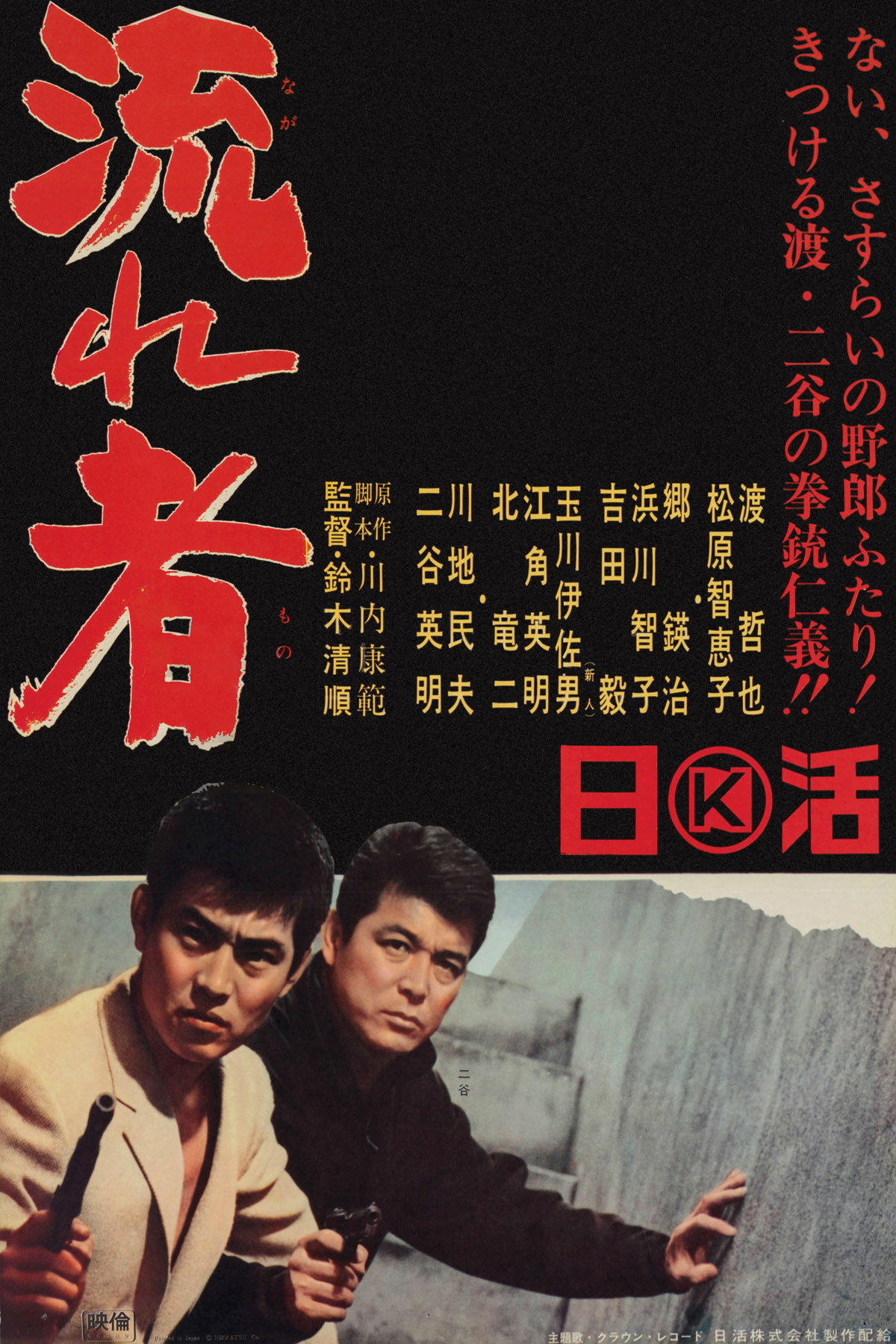
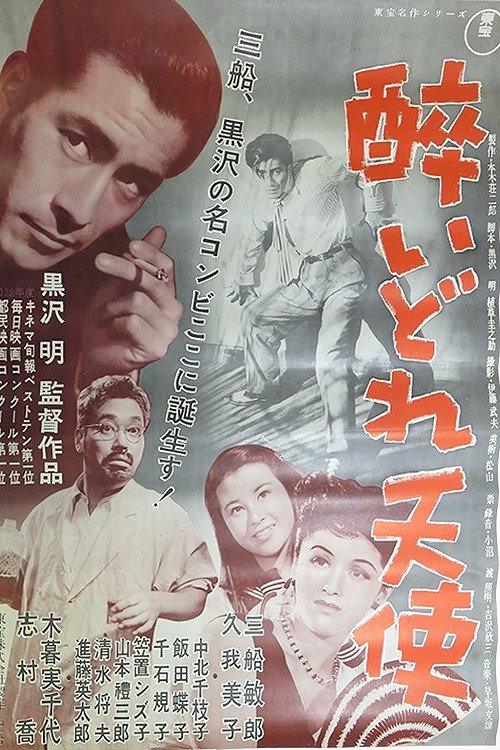
A special pleasure is Japanese cinema of the 1960s. «Pale Flower» is a near-noir about a bored gangster hooked on the thrill of the game; Seijun Suzuki's «Tokyo Drifter» and «Branded to Kill» are explosions of color, style and absurdity that later fed Tarantino and Jarmusch. And Akira Kurosawa's «Drunken Angel» is a reminder that filmmakers were painting the yakuza as early as 1948: a young hood, tuberculosis and a doctor who refuses to give up on him.
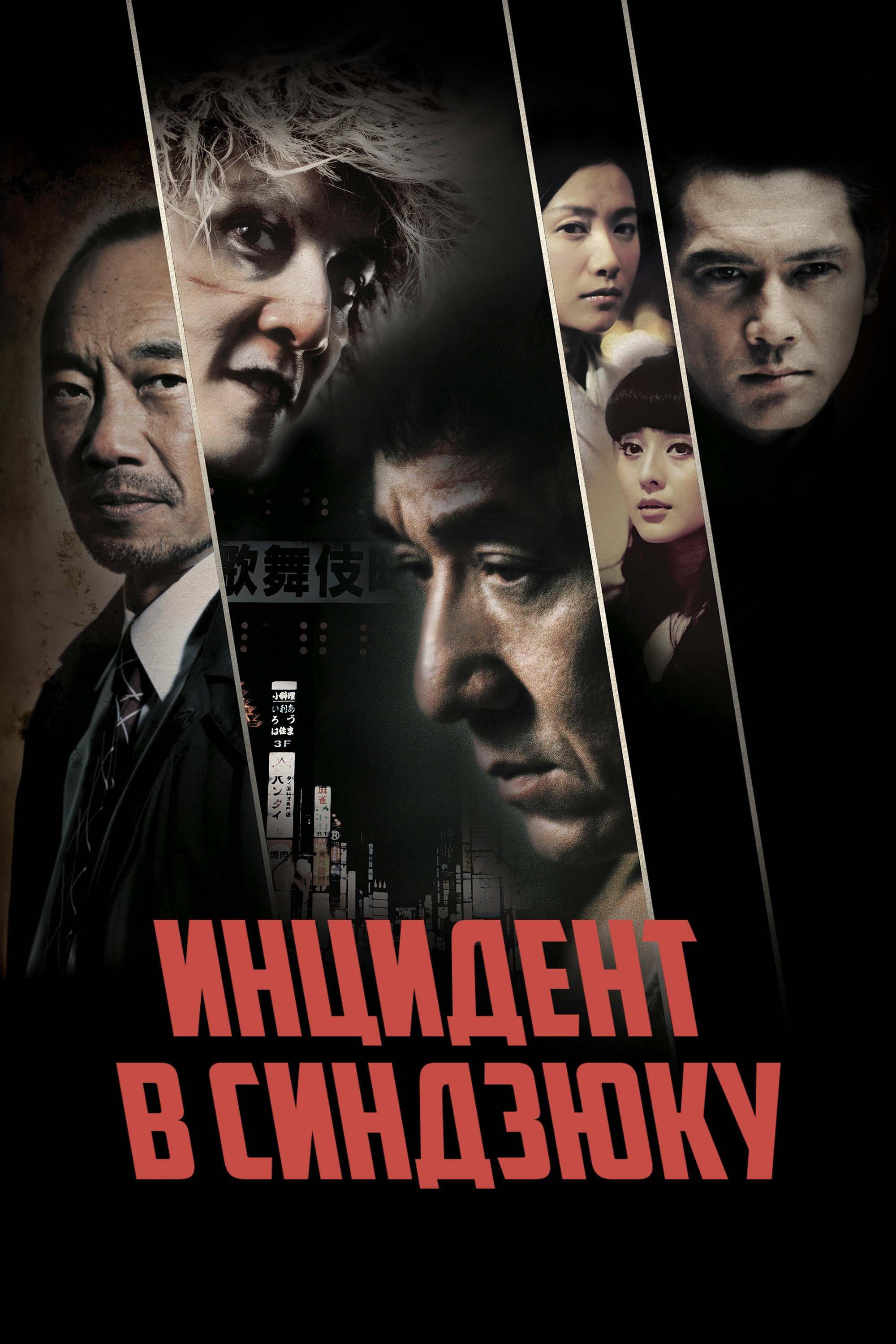
Modern yakuza films are not afraid to blend genres. Takashi Miike's «First Love» is one insane night in Tokyo where a boxer, a woman in trouble and two rival clans collide in a black comedy of chases. «Hell Dogs» turns an undercover cop's infiltration into a stylish action thriller about friendship and betrayal, while «Shinjuku Incident» with Jackie Chan views Japanese crime through the eyes of Chinese migrants who have nothing to lose. Cruelty here sits next to absurdity, and that too is an honest side of the genre. The collection spans almost eighty years: behind every shot stands a man bound by a code with no way out. Pick a mood and press play.
Start with Takeshi Kitano's «Outrage» — the most direct entry point: a cold clan war with no needless romance. From there you can move on to the classics by Fukasaku and Suzuki.
Japanese films lean on ritual and hierarchy: oaths, bowing to the boss, a severed fingertip for a mistake. The violence is often quieter, and the themes of honor and being unable to leave the clan sit closer to the center.