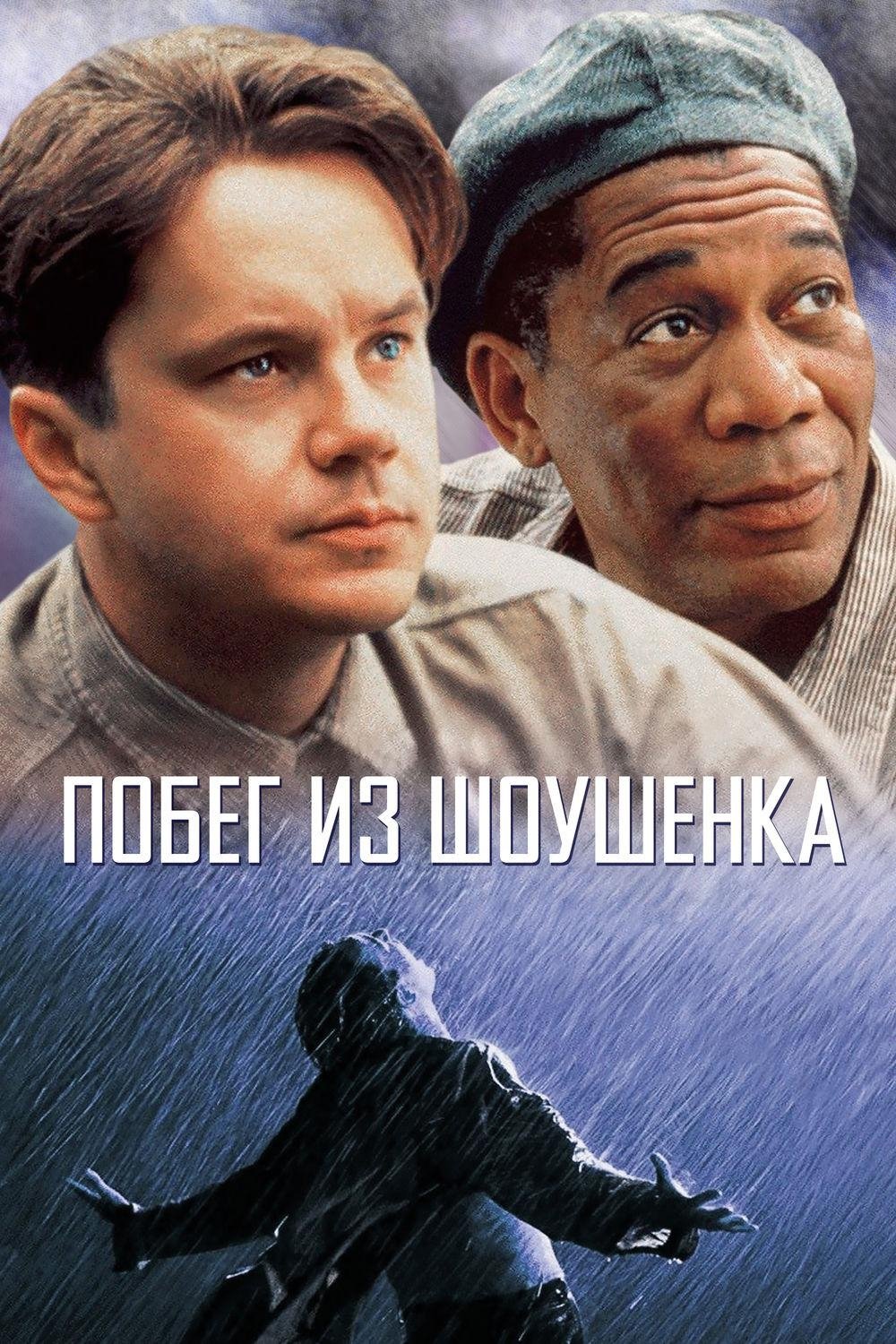
The Shawshank Redemption
Watch prison escape films online here — we gathered the movies where the whole story rests on one question: how do you get past the wall. Not crime dramas in general, but breakouts specifically: a tunnel dug with a spoon over years, forged papers, a hole behind a poster, a jump off the ferry into freezing water.
The list runs from the near-documentary precision of A Man Escaped to the boyish nerve of The Great Escape and the Alcatraz legend nobody supposedly beat. Real cases sit beside them — the apartheid-era Pretoria break, the Dannemora story, Chile's Pacto de Fuga — along with The Count of Monte Cristo, where the whole genre began. Noir from the 1950s through recent thrillers.
Put one on when you want tension built on a plan rather than gunfire: will it work, or do they catch him on the last metre. Start with one — it won't let you sleep anyway.



A tunnel starts not with a shovel but with a decision: I am getting out of here. That is why escape films grip harder than any shootout — we know in advance the plan is fragile and the price of a slip is the hole or a bullet at the fence.
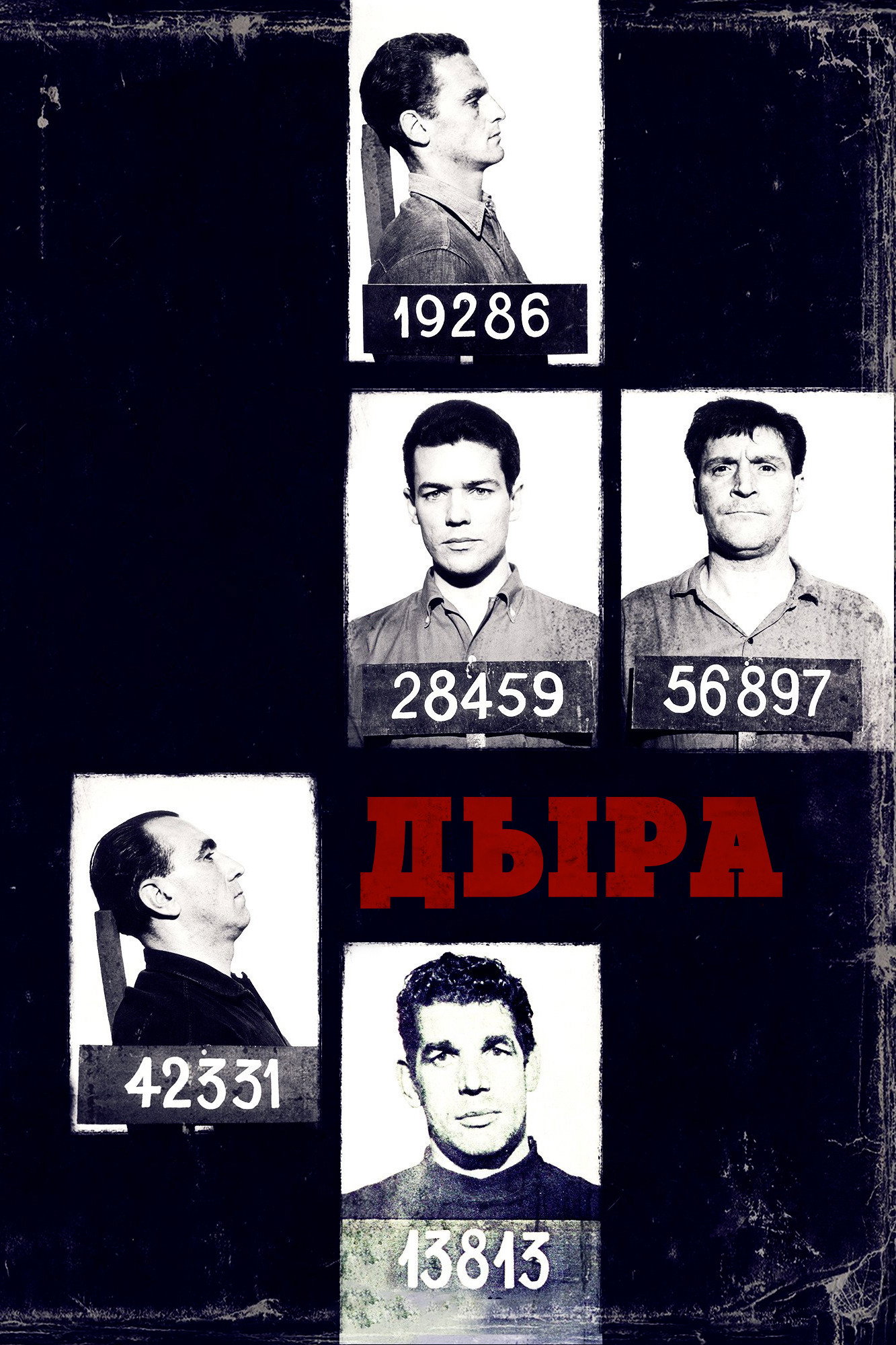
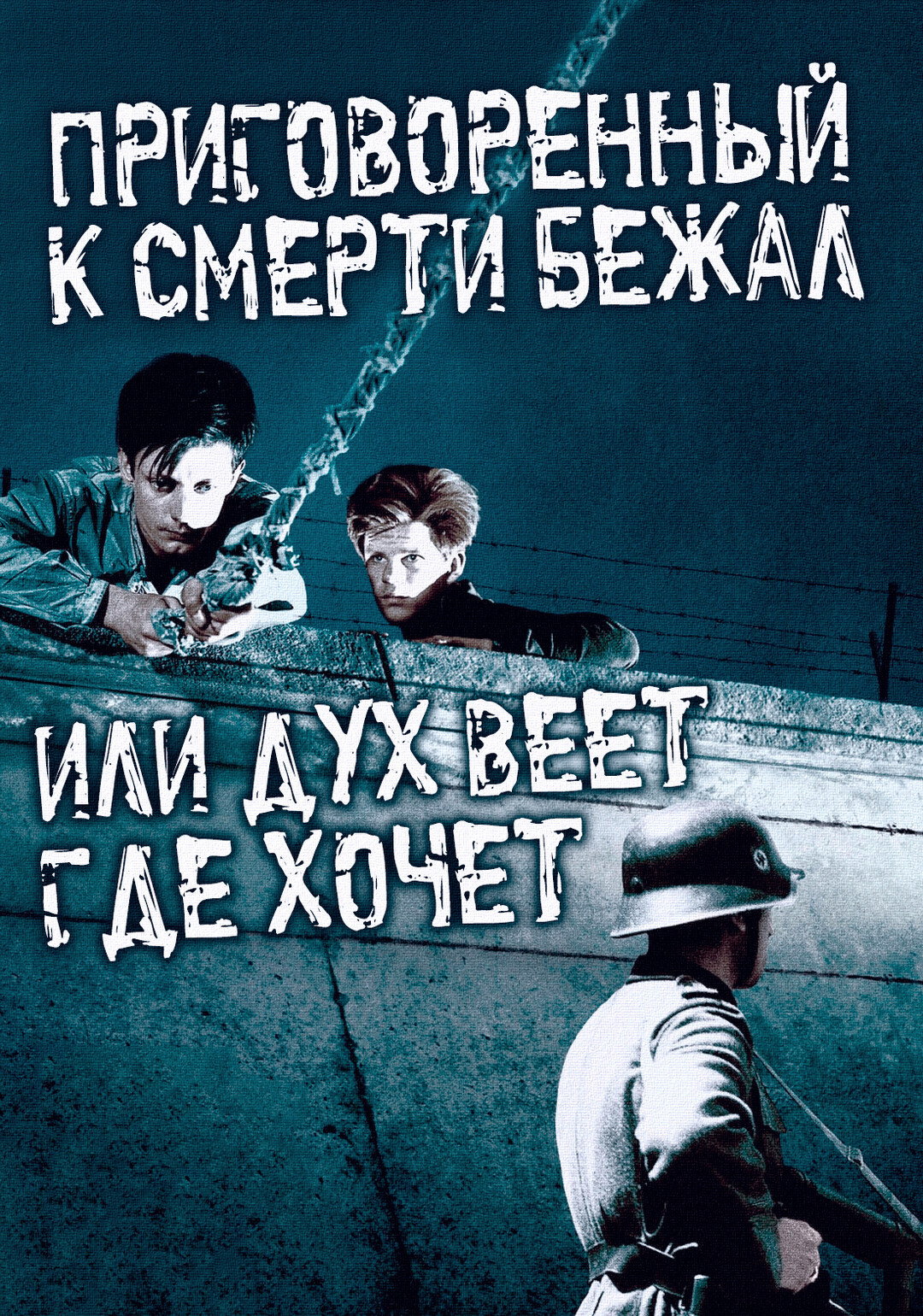
An escape is an engineering problem with a human face. Jacques Becker's Le Trou films the digging almost in real time: a bed leg pries open the floor while the camera refuses to look away. Bresson's A Man Escaped reduces everything to a spoon, a rope and the echo down the corridor — and holds tighter than most thrillers. This is cinema about patience: months of work for a single night.
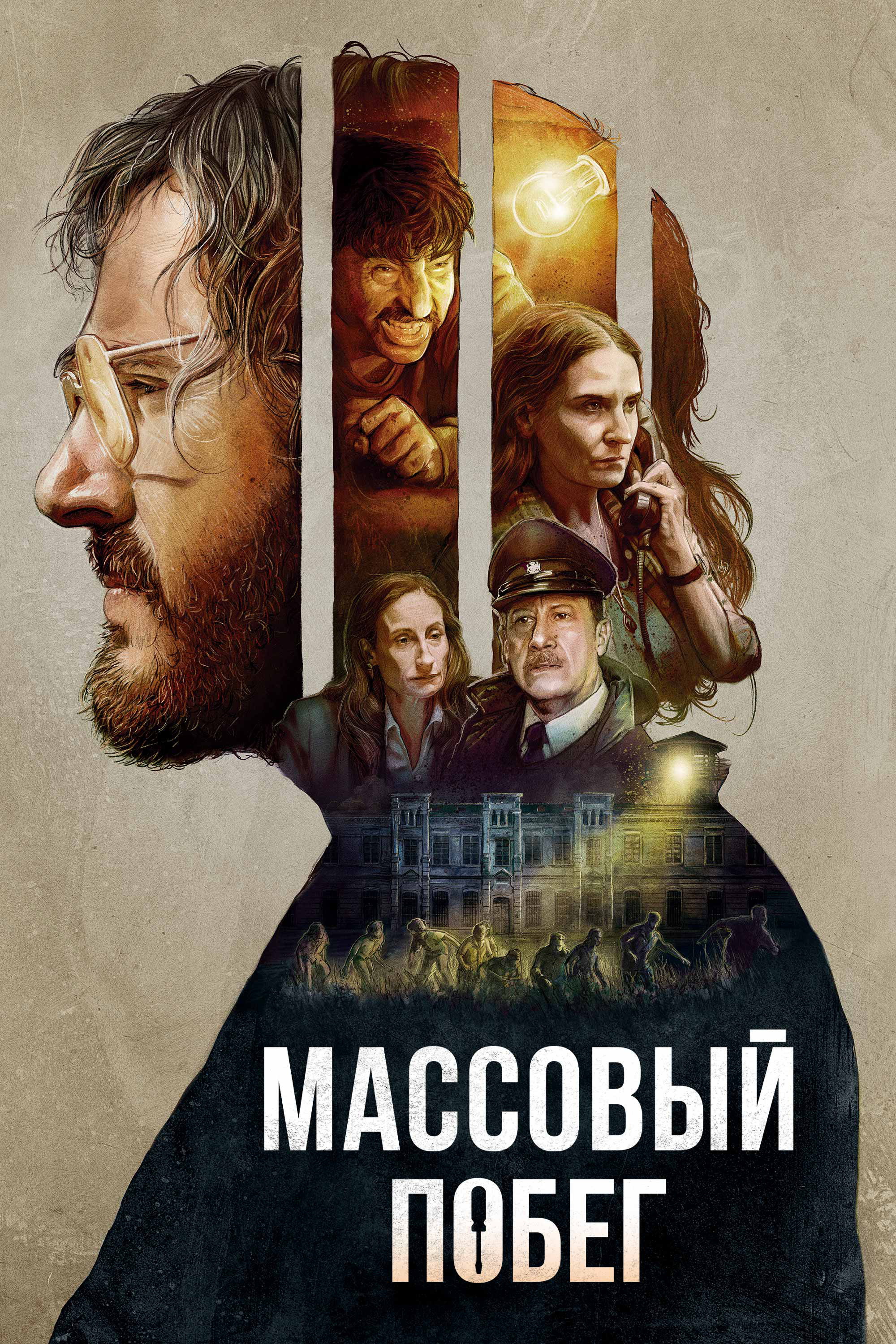
A breed of its own is the true-case break. Escape from Pretoria reconstructs how political prisoners walked out on hand-carved wooden keys; Escape at Dannemora dissects two Americans slipping through an industrial pipe with help from a smitten worker; Chile's Pacto de Fuga recalls the country's largest tunnel job. Knowing it actually happened doubles the tension.
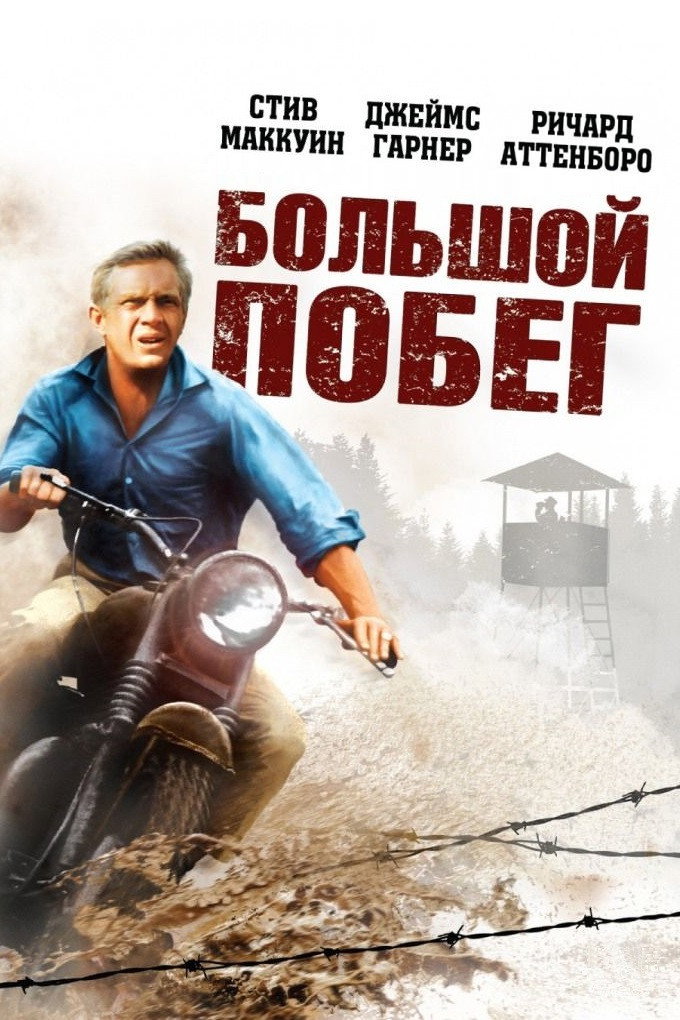
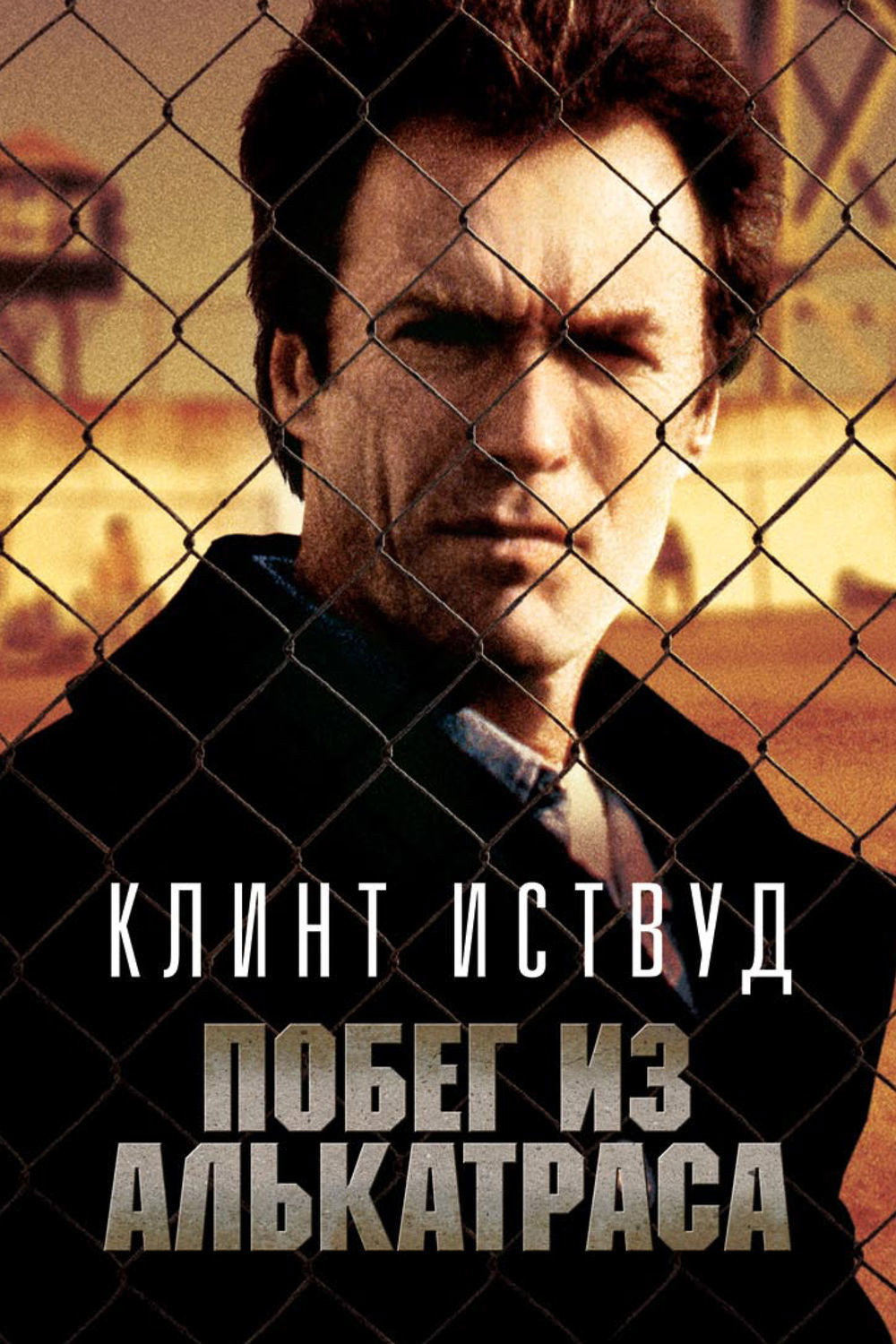
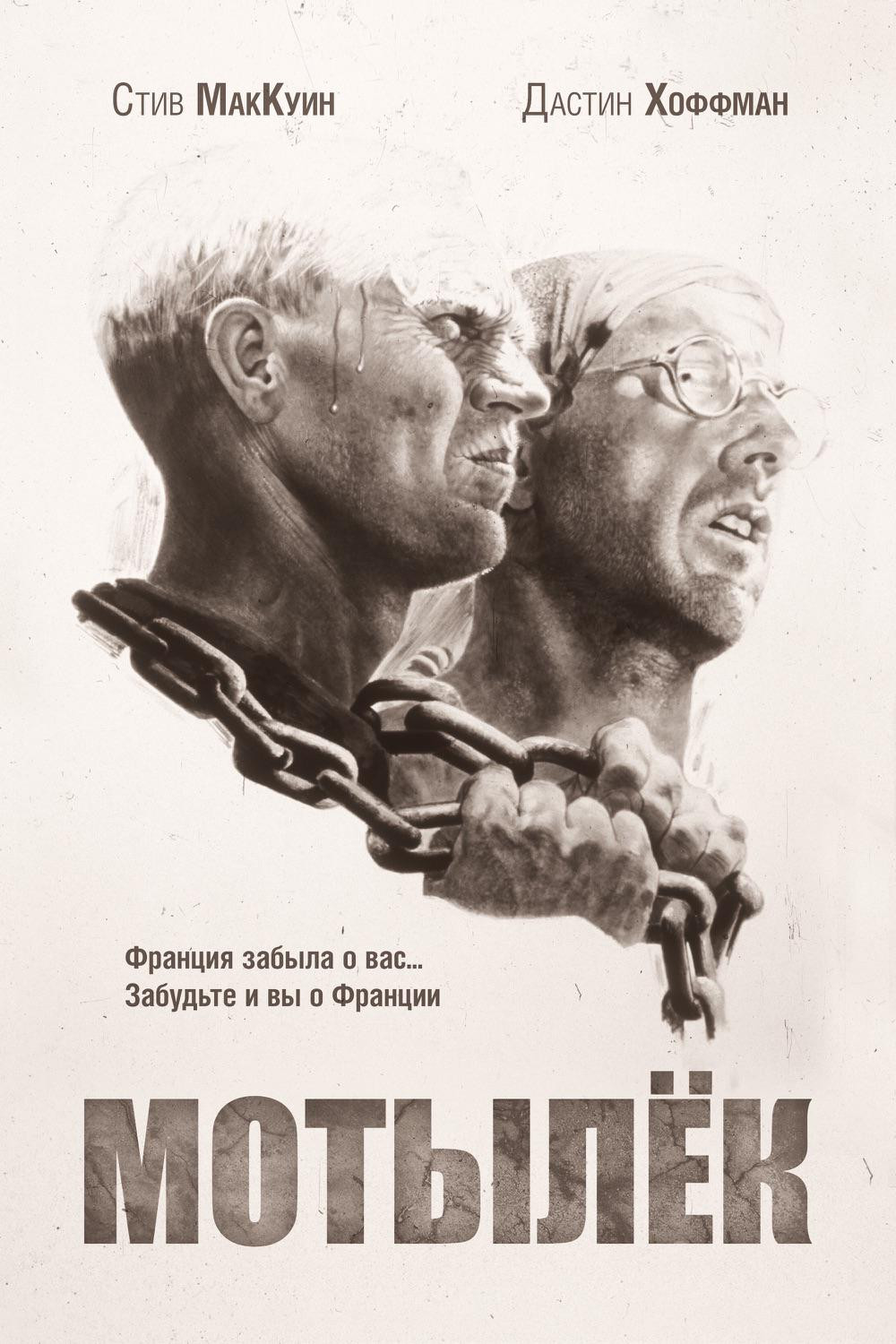
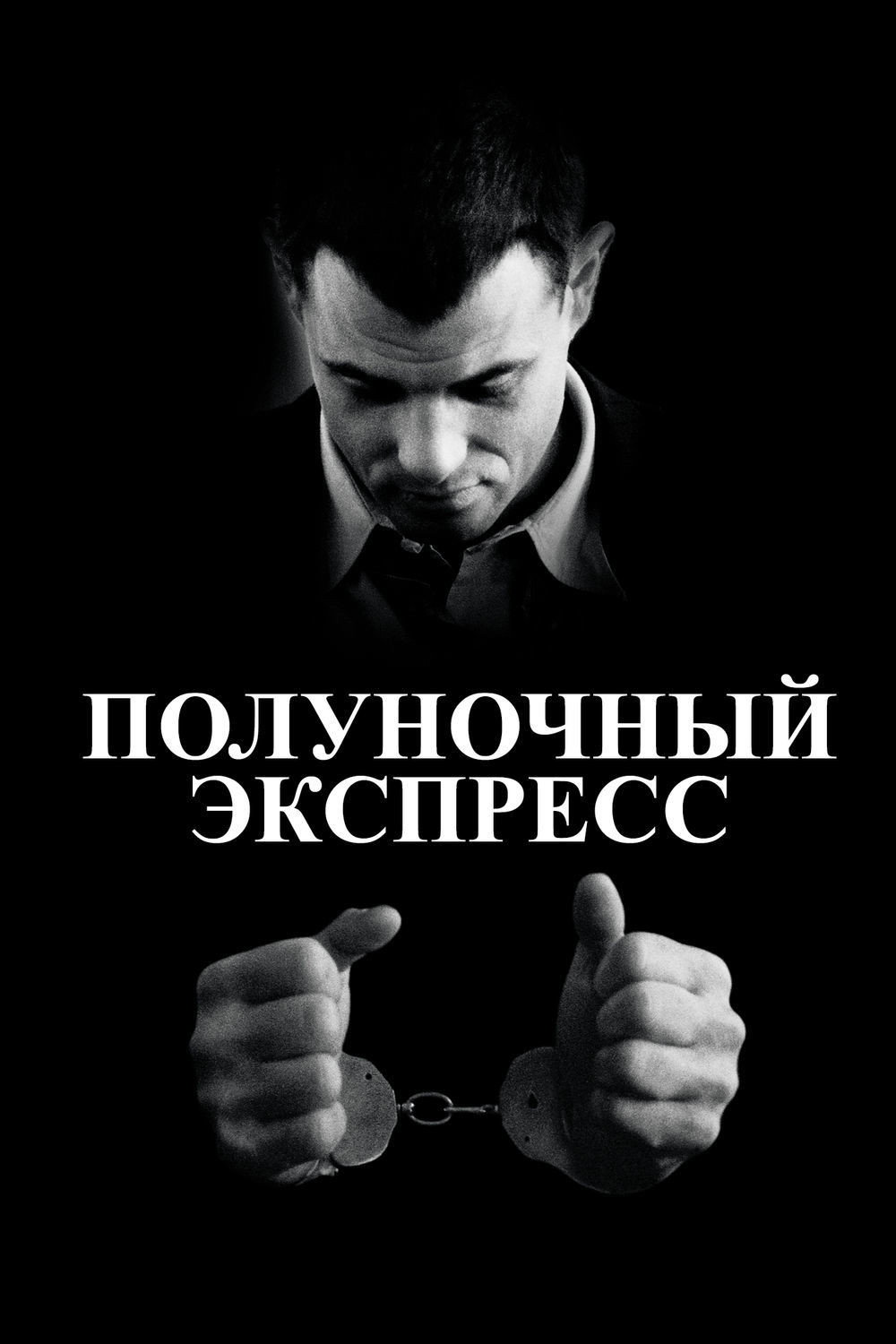
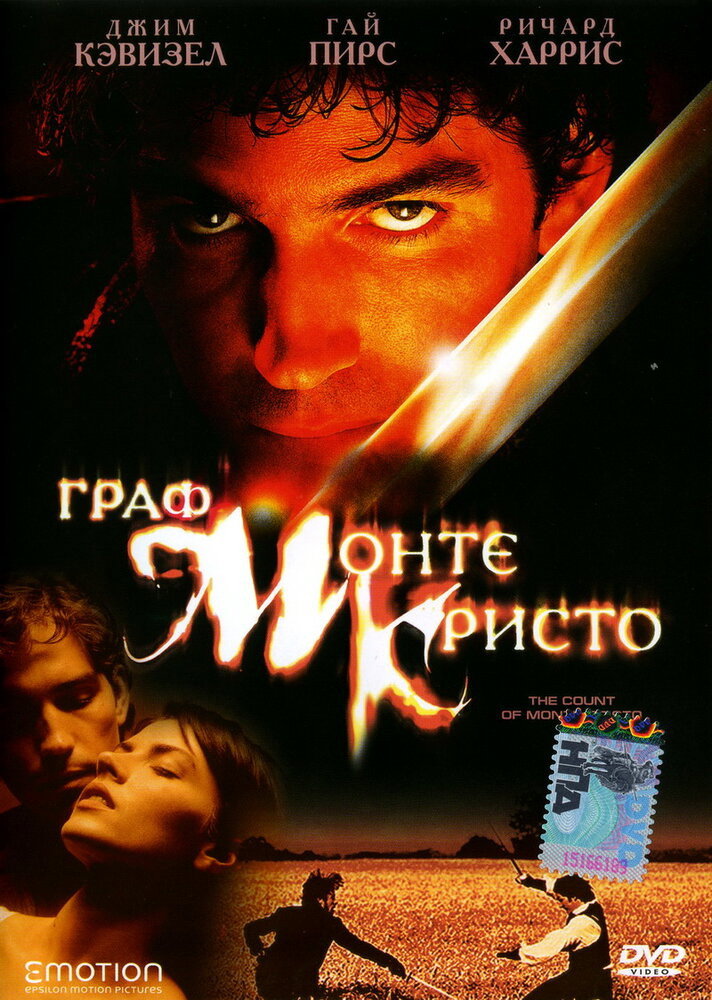
New to the genre — take The Shawshank Redemption: a quiet banker, a rock hammer and twenty years of nerve. Want vintage swagger — The Great Escape, with McQueen's motorcycle and a whole POW camp digging three tunnels at once. For raw realism, go to Midnight Express and Alcatraz, where the break is not adventure but the only way out of hell. And The Count of Monte Cristo reminds you the best escape is sometimes only the beginning of the story, not its end.
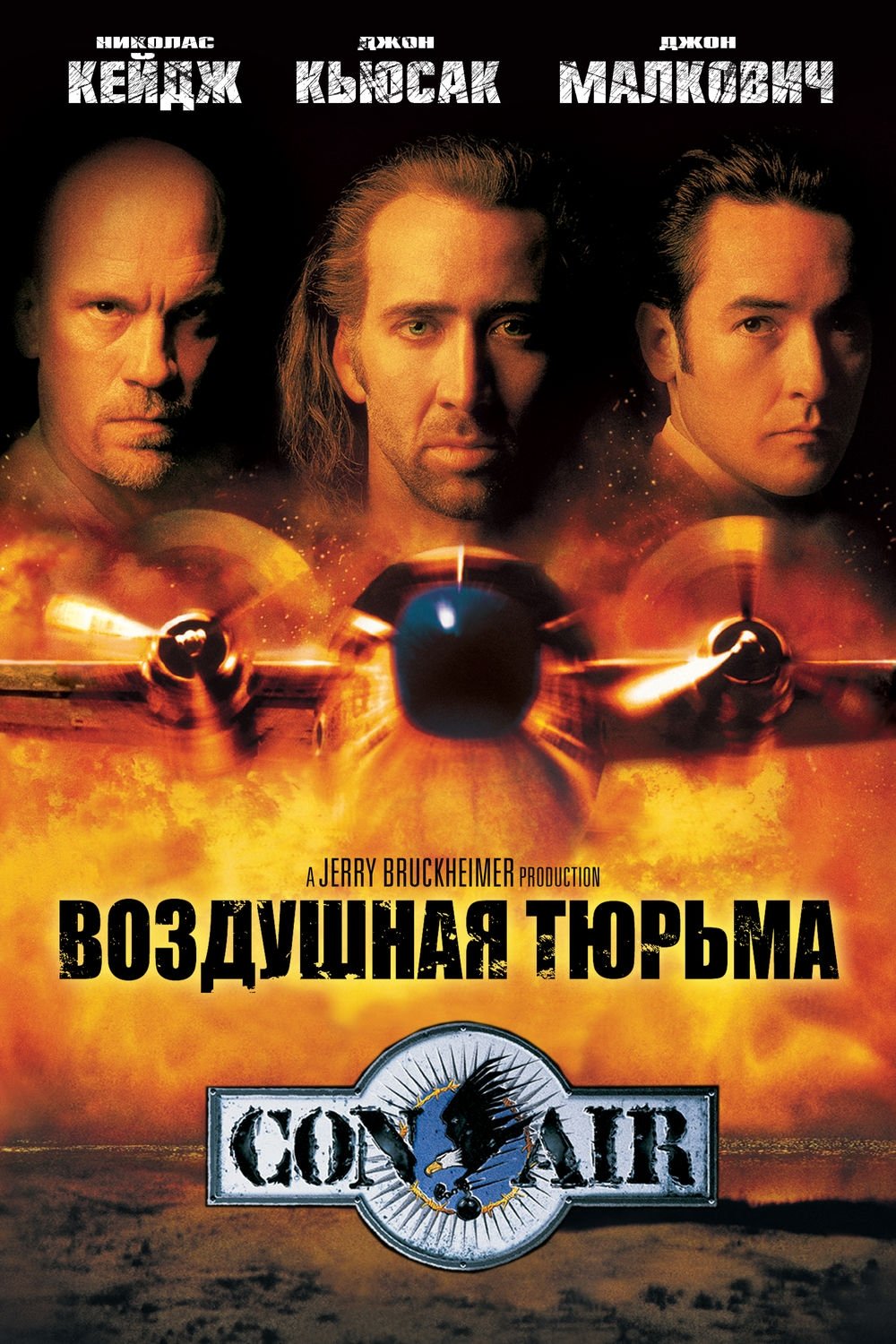
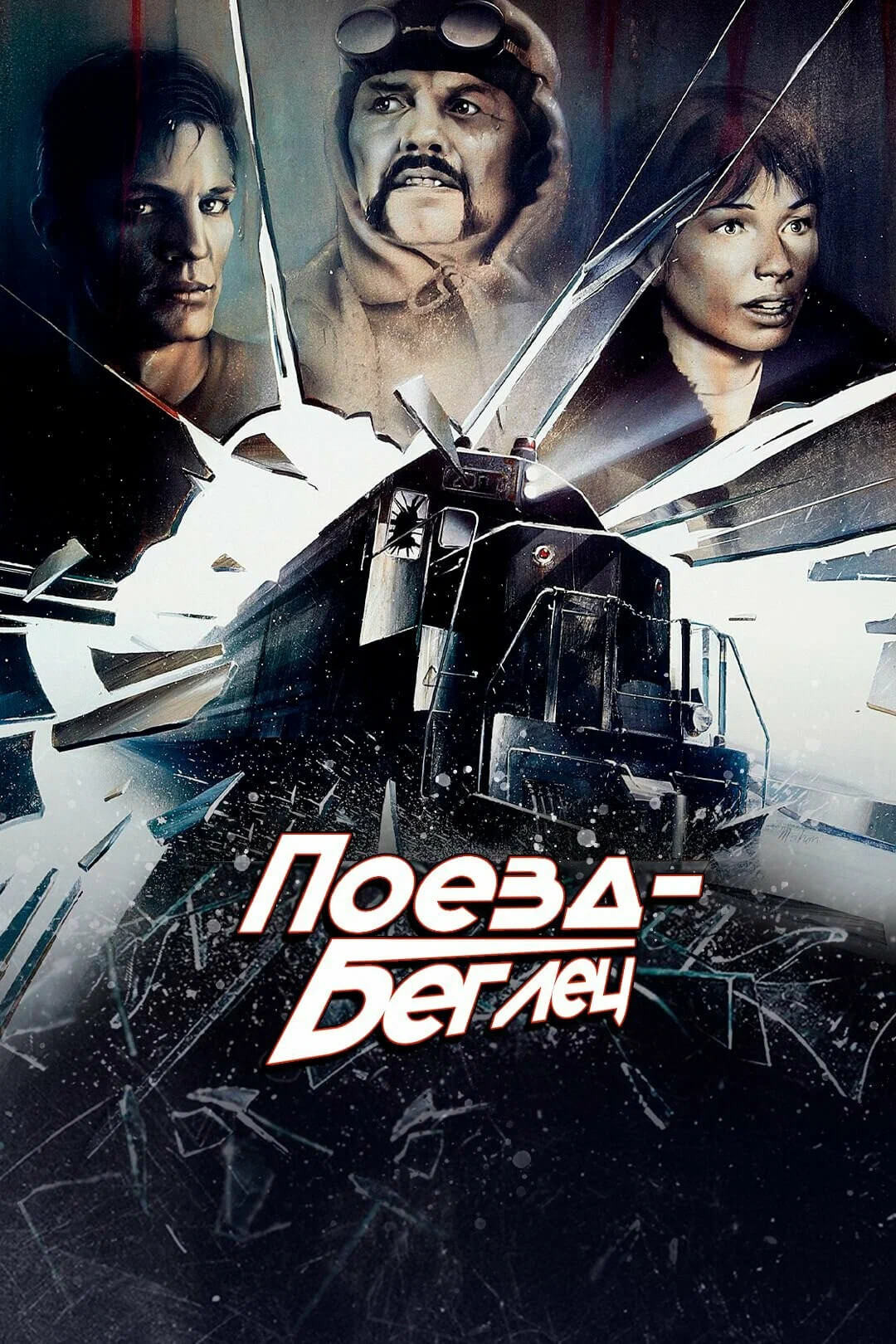
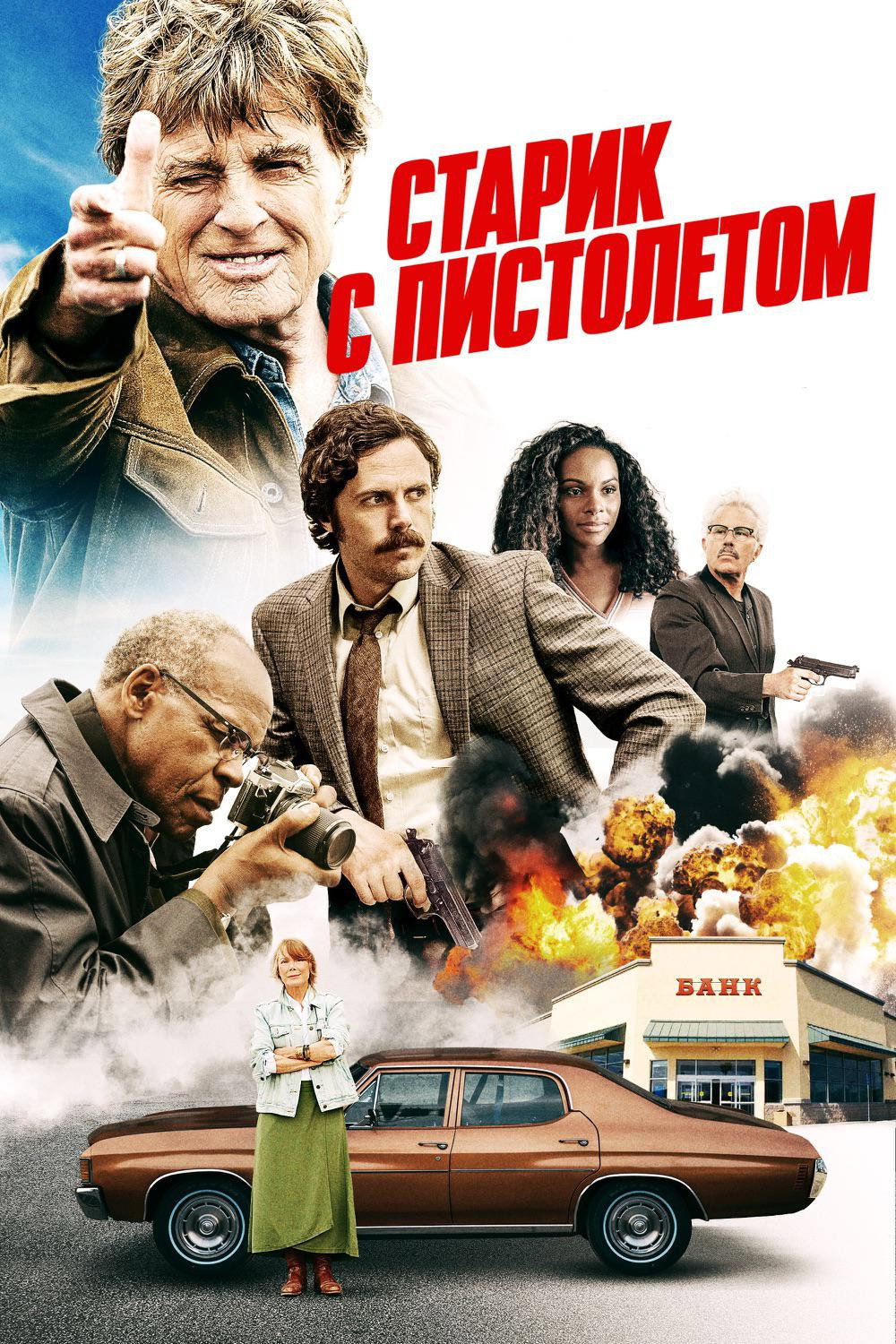
The genre is wider than it looks. There is the quiet tunnel, where patience is the only weapon: Le Trou, A Man Escaped, Alcatraz. There is the loud, headlong run — Runaway Train, Con Air — where the escapees seize the vehicle and barrel through. There are POW-camp sagas like The Great Escape, dug by a whole crew. And then the clever escape through law and deception: The Count of Monte Cristo walks out of the Château d'If to return as revenge, while The Old Man & the Gun breaks out so often it becomes a lifestyle. We gathered all these shades so the list never collapses into one film with different actors.
For anyone who loves suspense born of a plan rather than a gunfight. There are almost no superheroes here — ordinary people, cornered, counting steps, days and odds. The genre rarely promises an easy ending: sometimes the wall wins, and that makes freedom in the finale sharper. Put one on in the evening when you want to root for the one who cannot afford to lose.
The Shawshank Redemption (1994) — banker Andy Dufresne secretly tunnels out over nearly two decades; it is regularly named one of the greatest films ever made.
Yes. Escape from Pretoria, Escape at Dannemora and Chile's Pacto de Fuga are drawn from true cases, and The Great Escape is based on a real POW breakout.