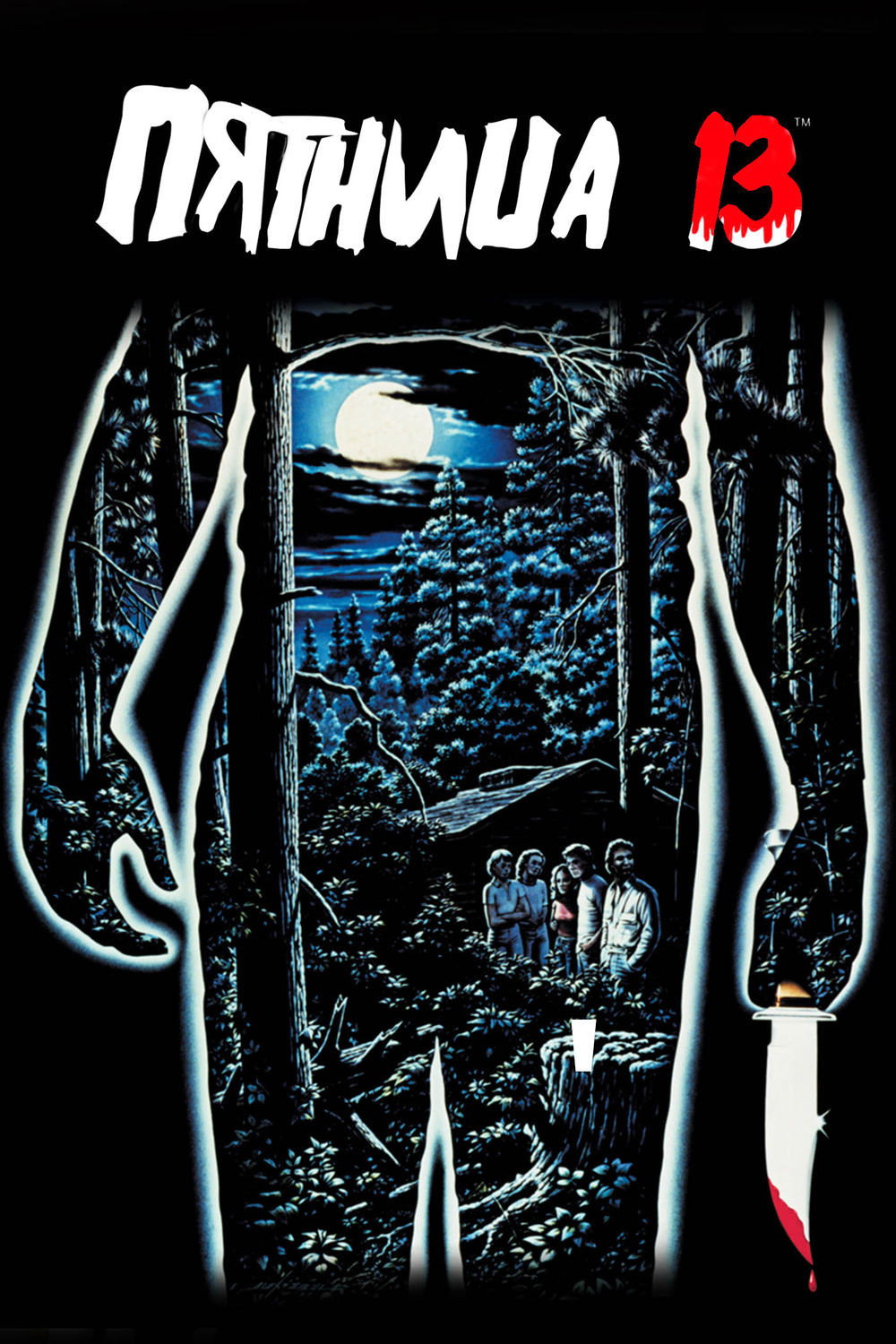
Friday the 13th
Eighties slashers are about a masked killer stalking a pack of teenagers at summer camp while you count who makes it to the credits. This is the youth-horror of the decade: the big runs like Friday the 13th and A Nightmare on Elm Street next to drive-in one-offs nobody re-released. Everything streams right here.
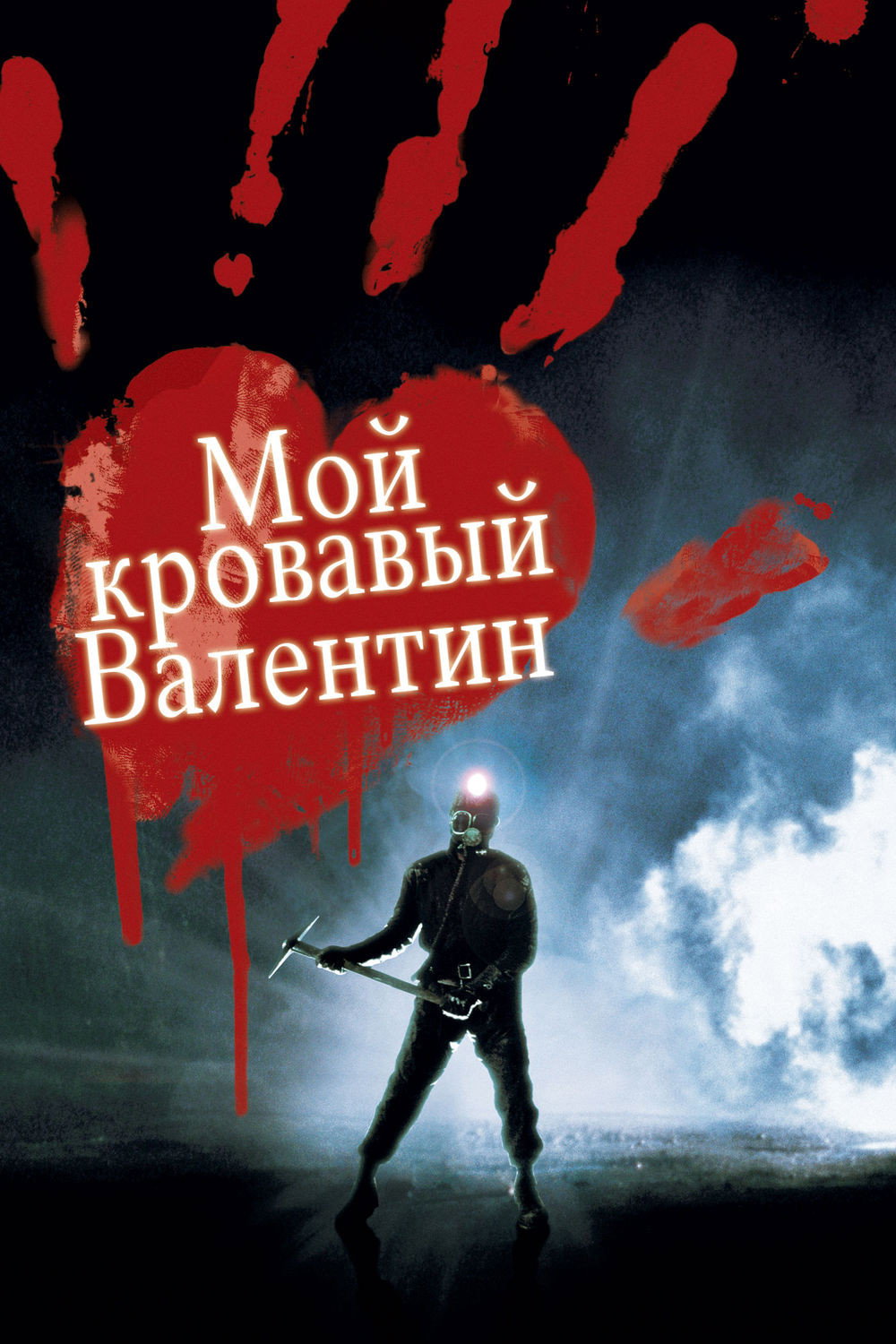
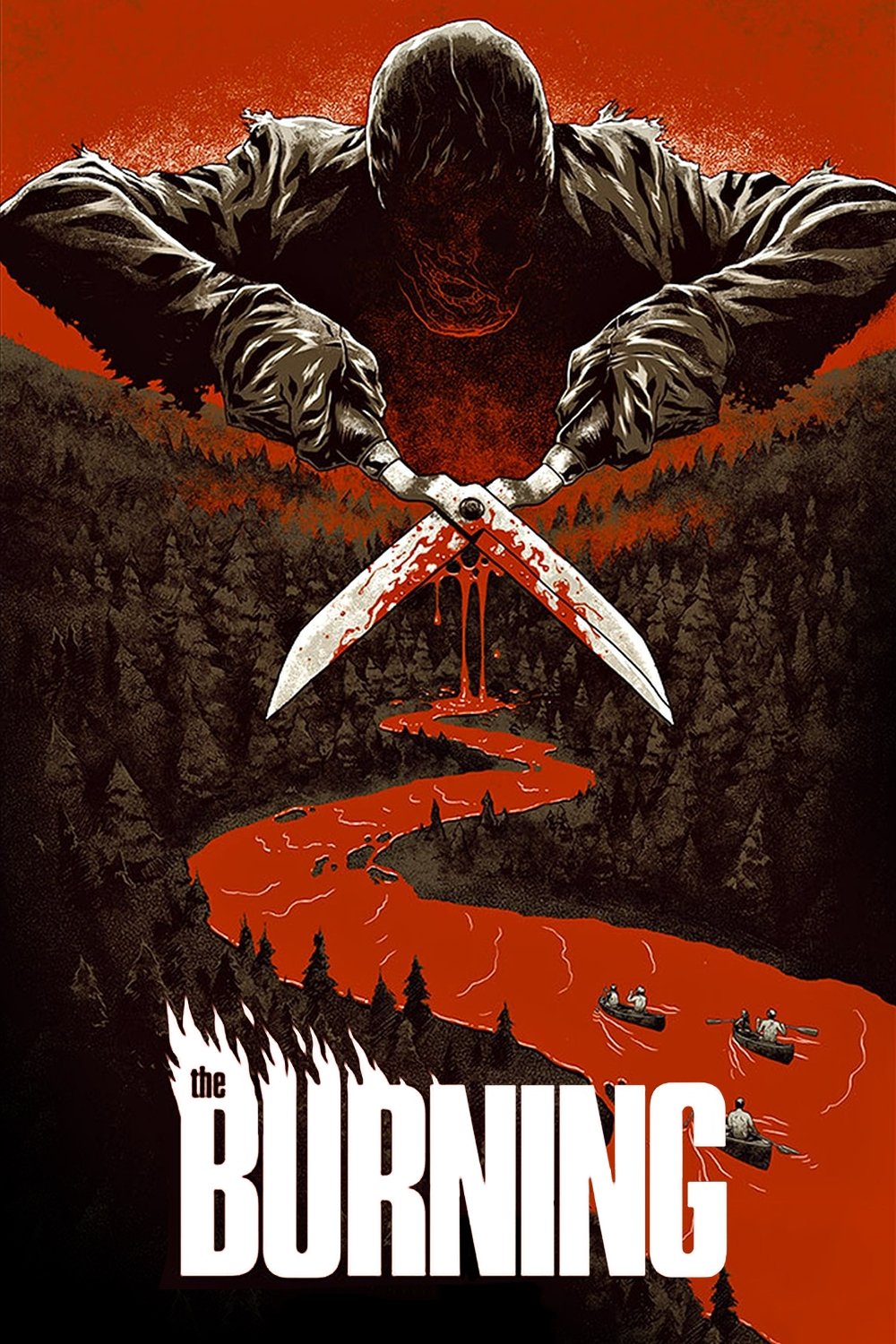
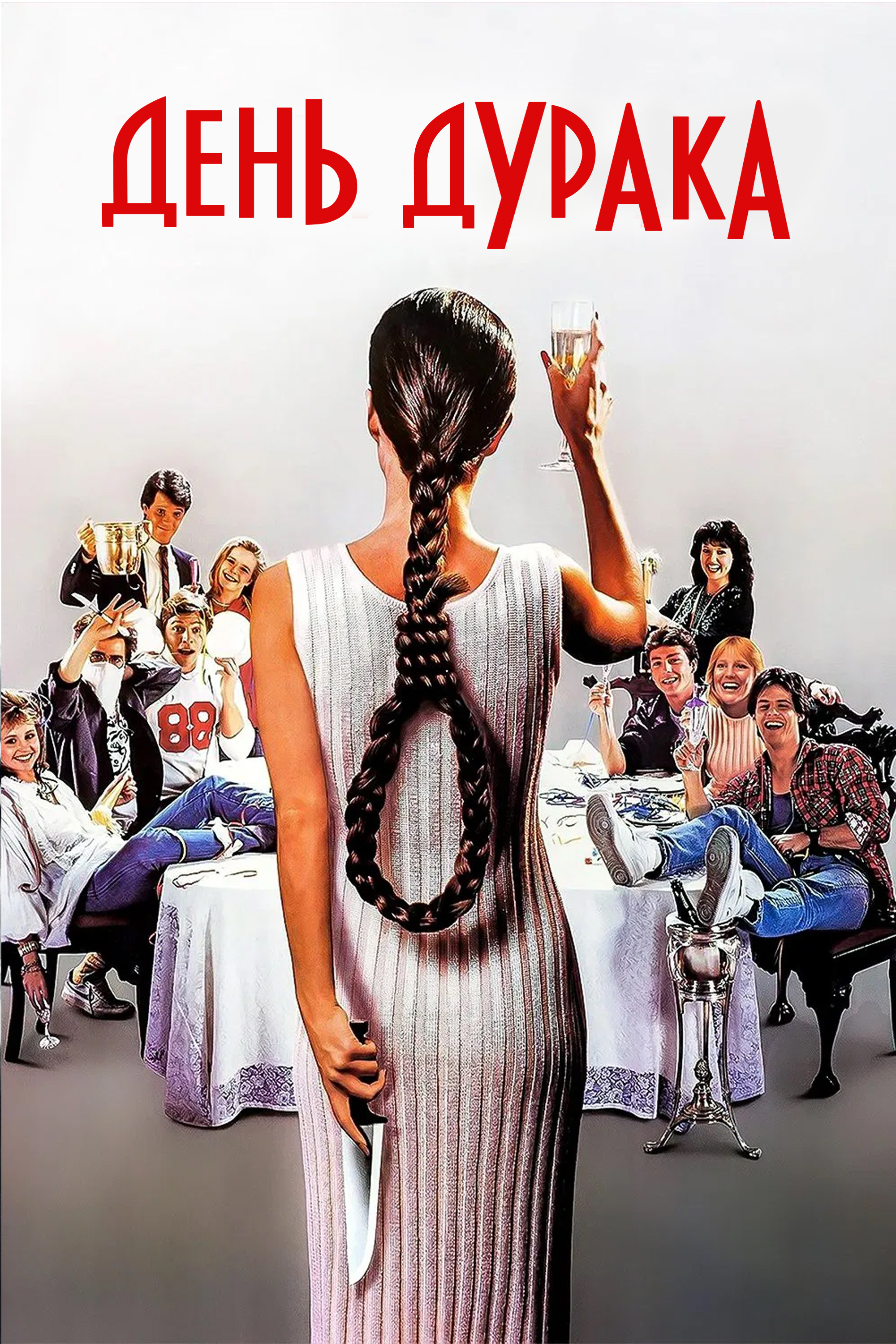
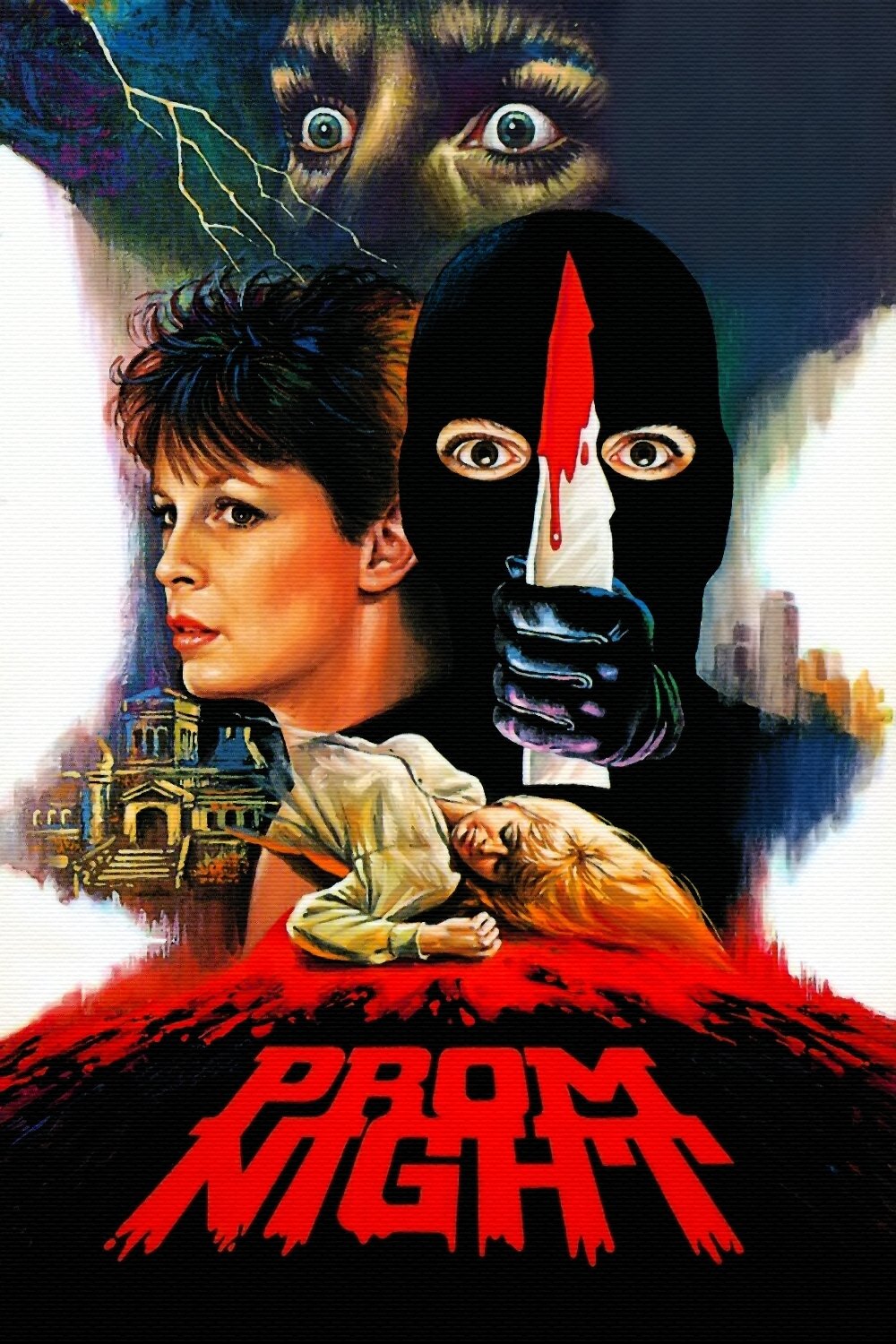
The rule for inclusion was simple — the title had to shape the formula: the killer-POV camera, a prom or a camp turned into a kill floor, the final girl left standing. Sleepaway Camp and its ending, My Bloody Valentine, The Burning, Prom Night, April Fool's Day, sitting beside Child's Play and Maniac Cop. Cities, dead-end campgrounds, school hallways; almost all of it 1980 to 1989.
If you miss grainy film stock and Tom Savini practical gore, scroll down and hit play. The canon shares the row with the ones you skipped.
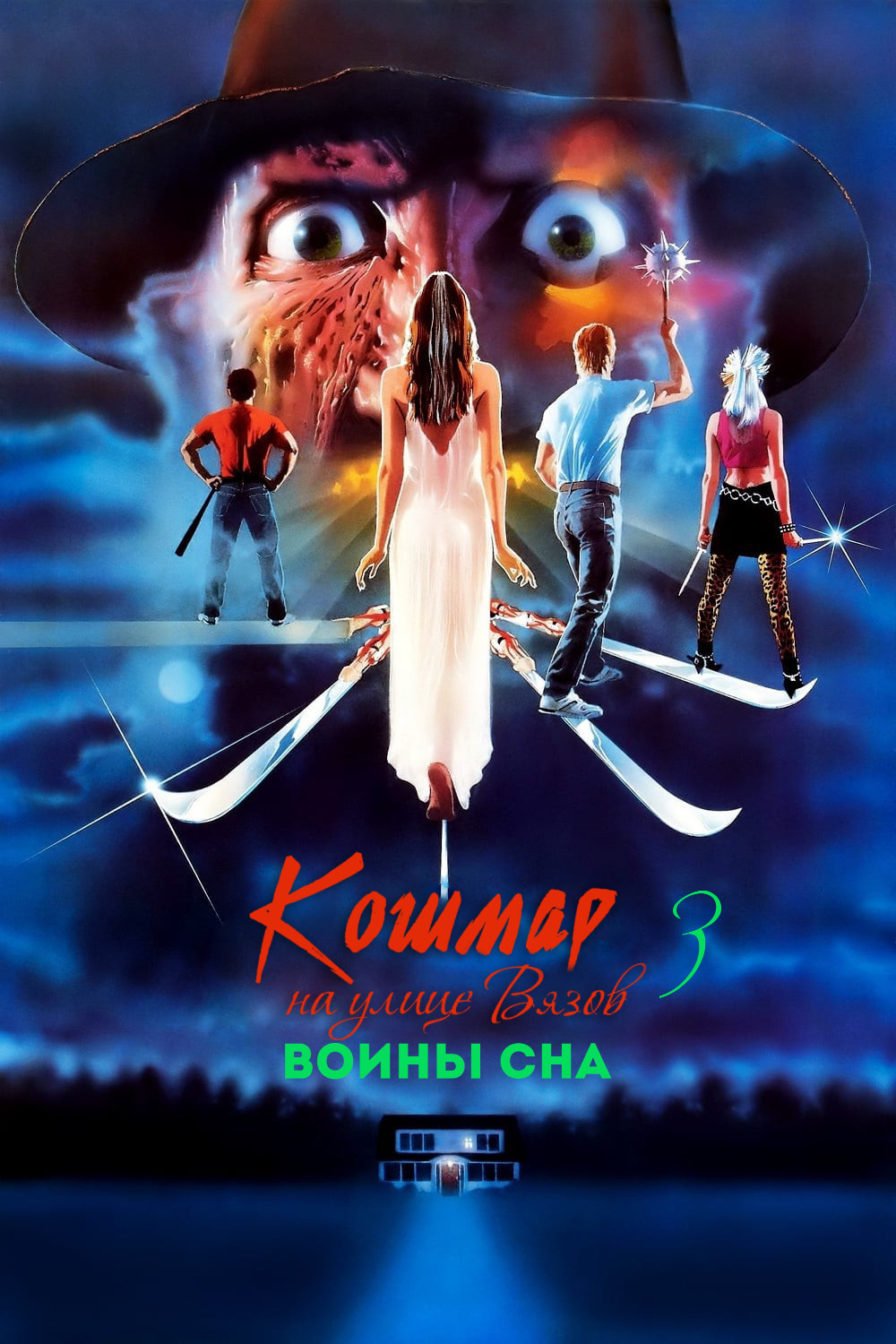
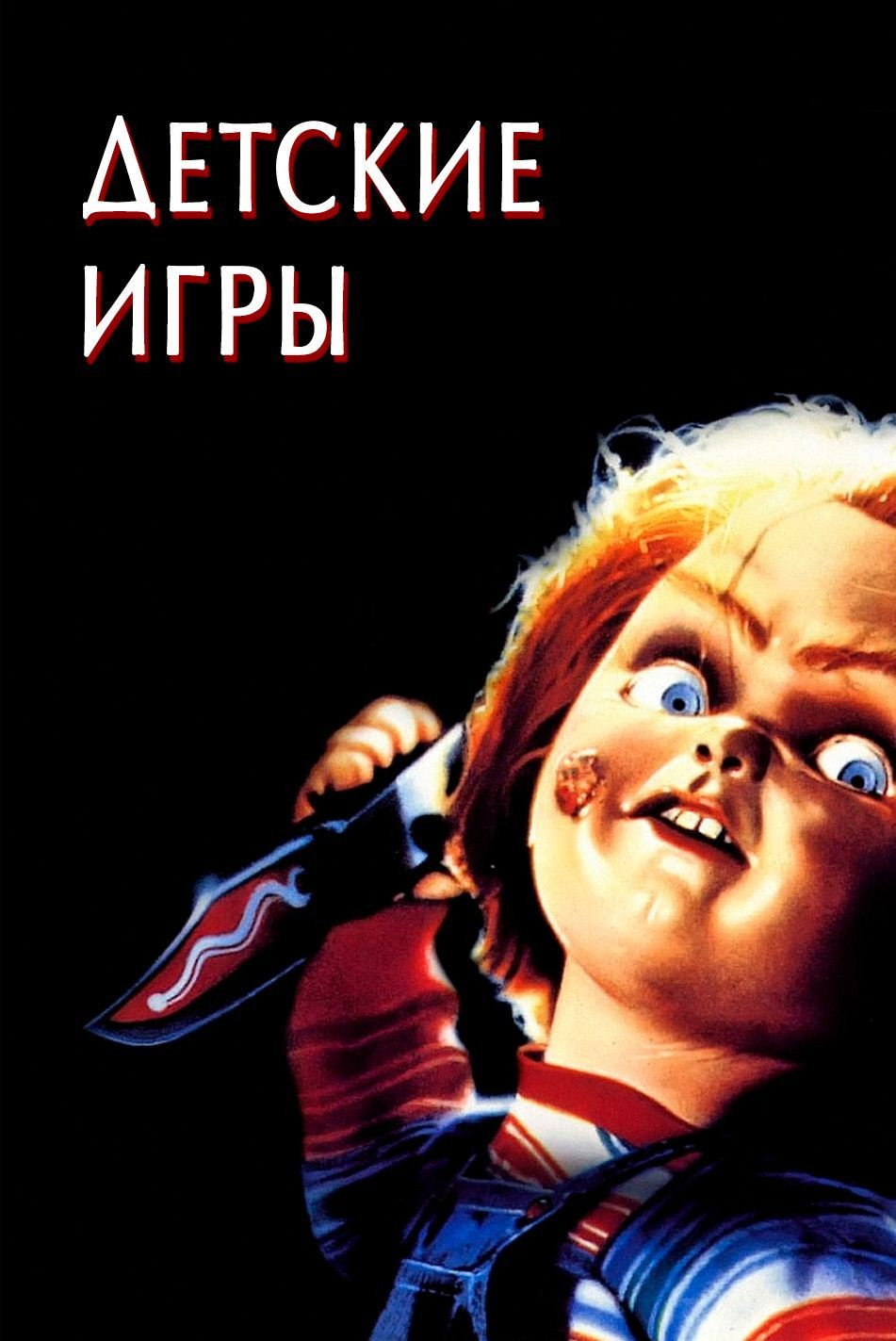
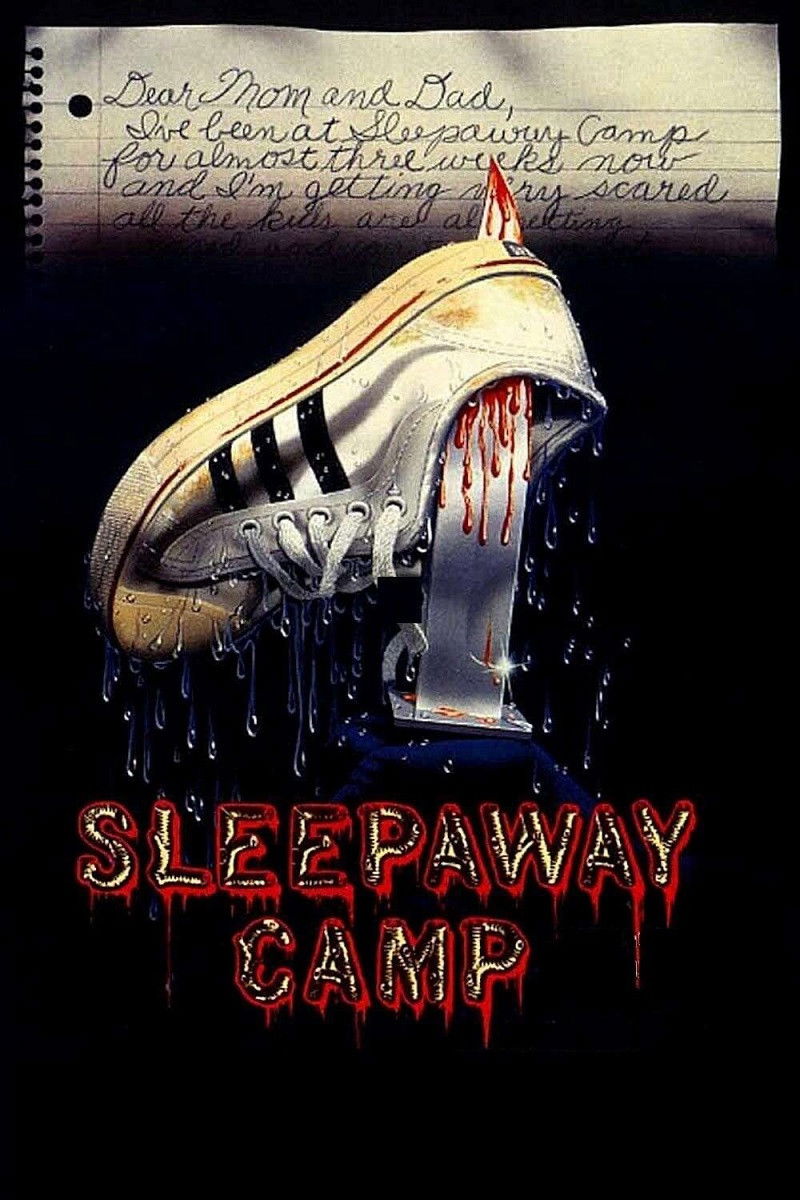
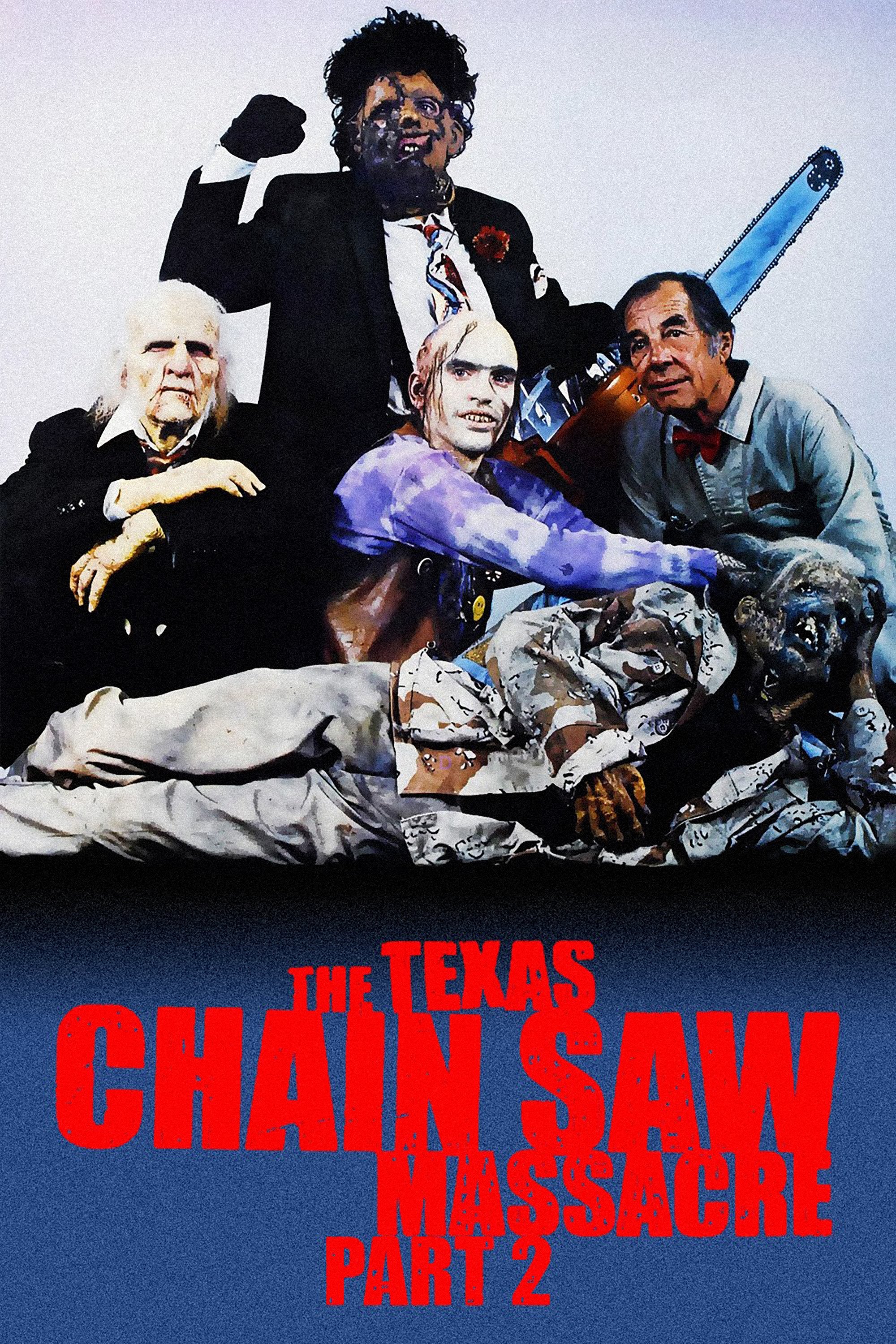
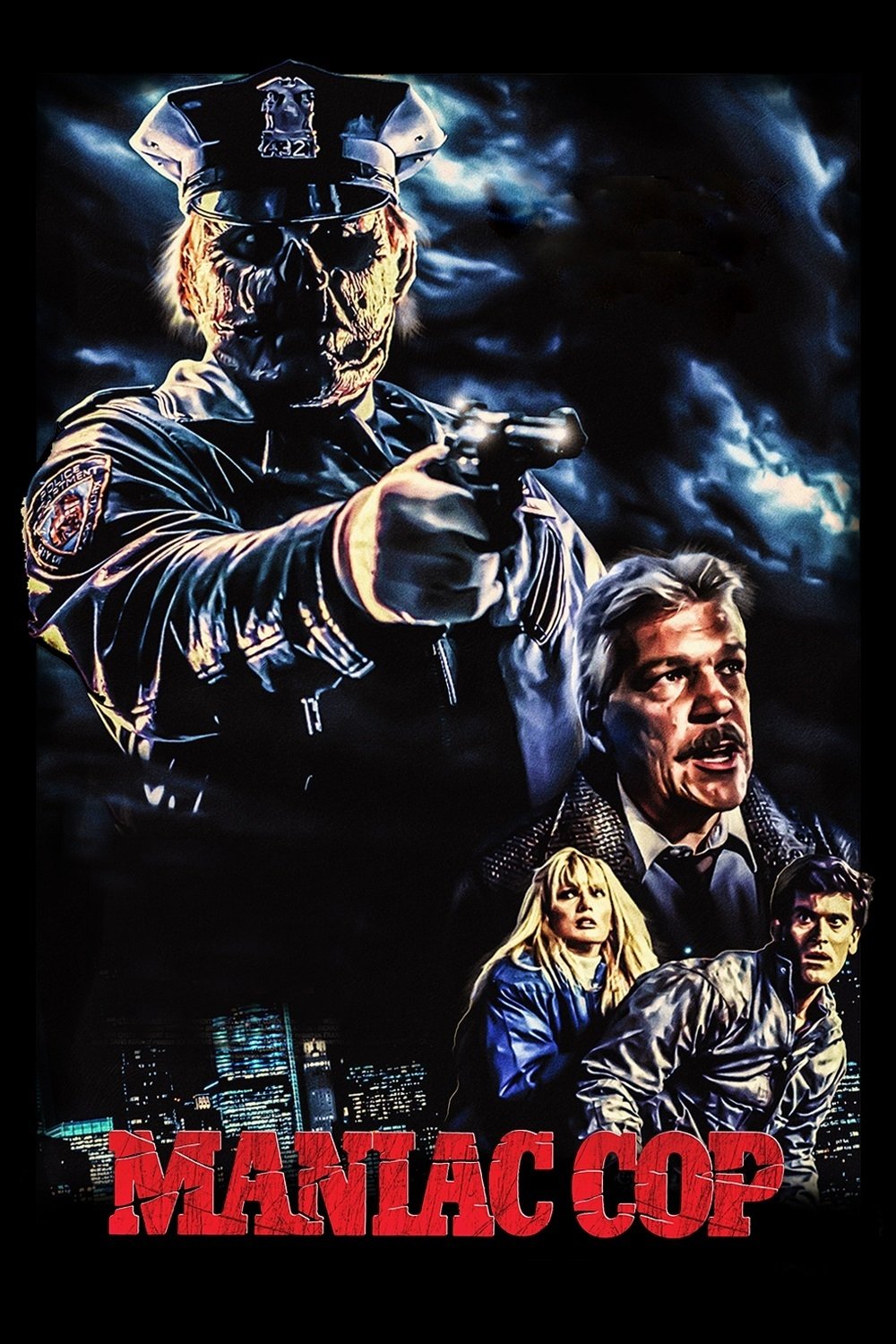
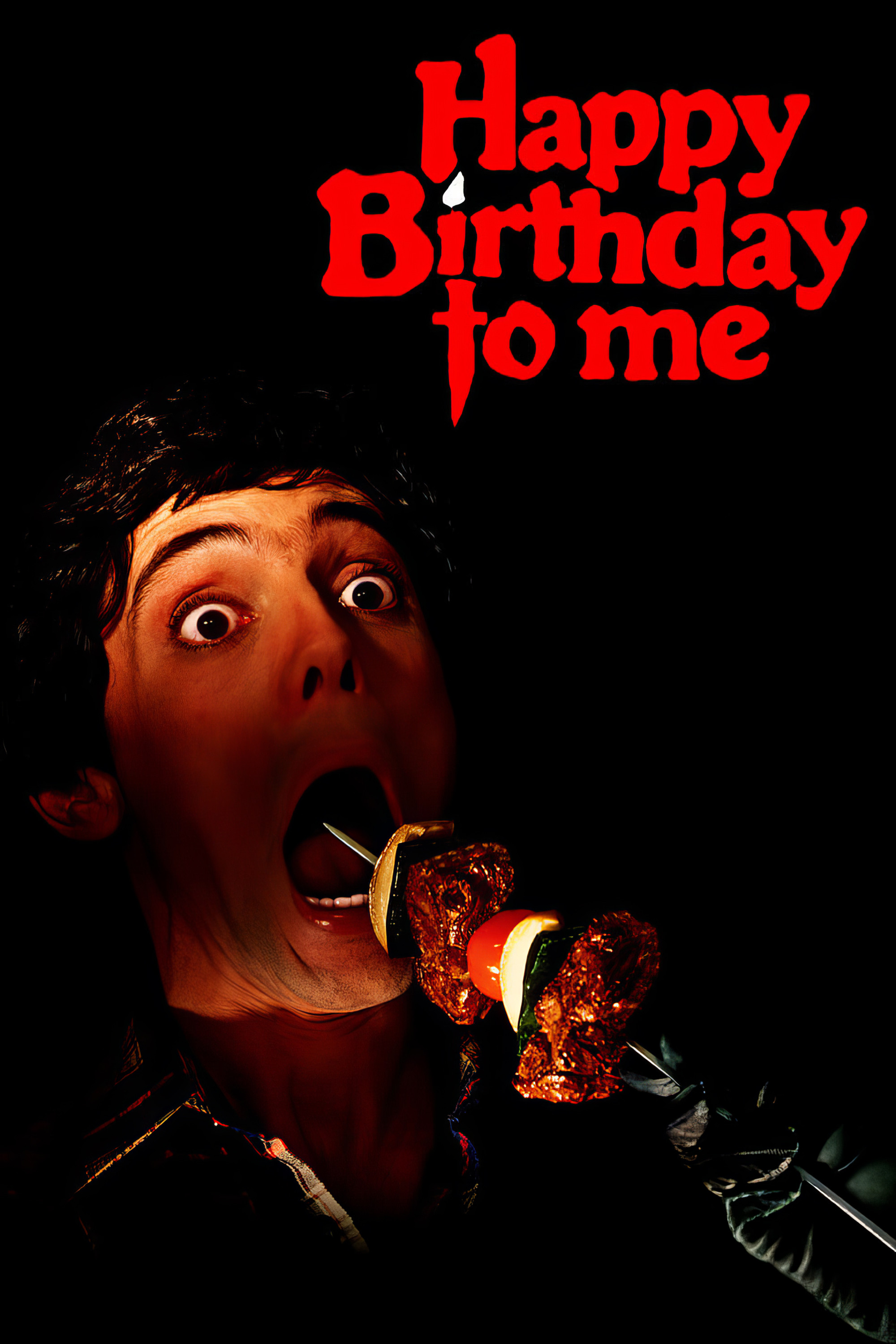
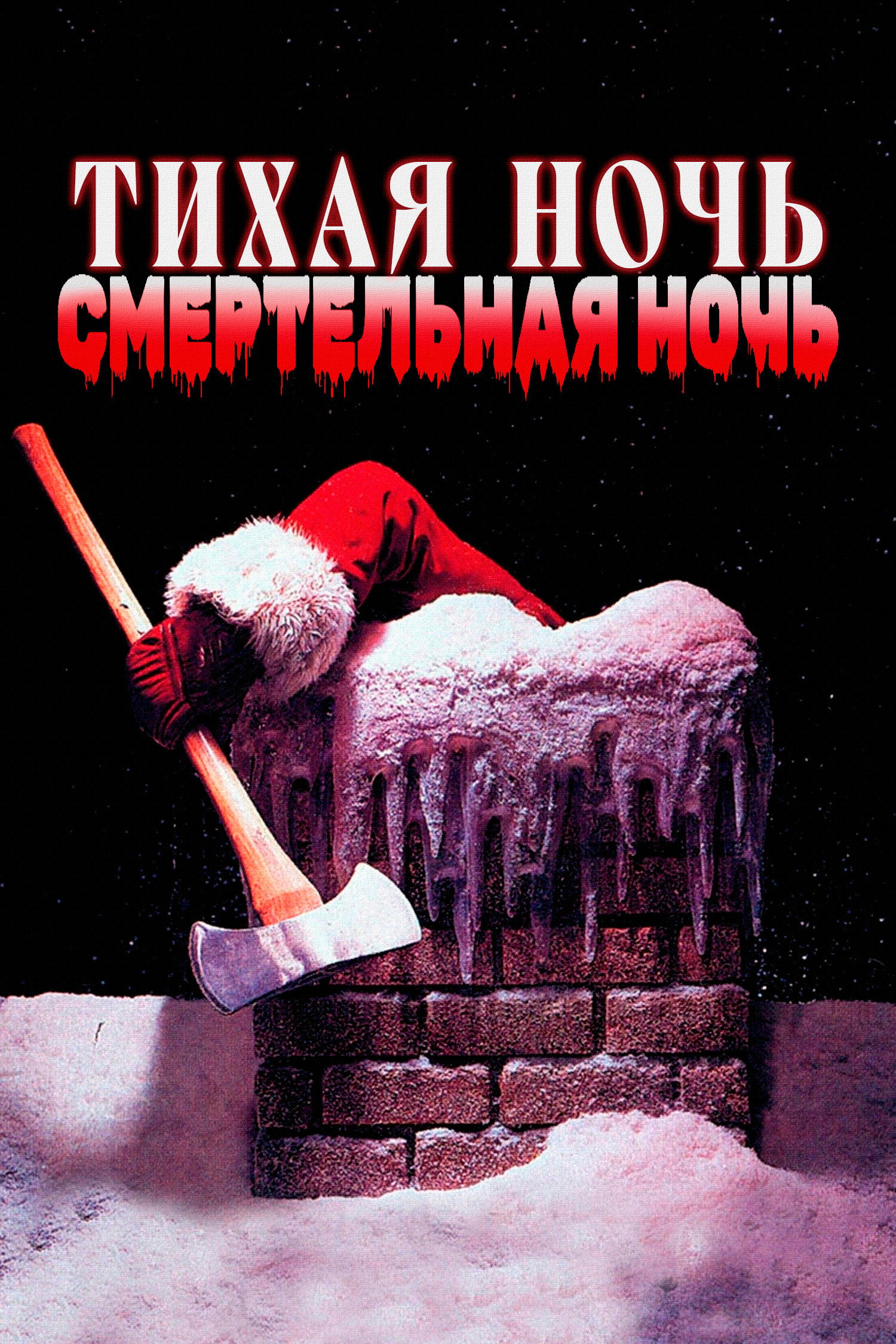
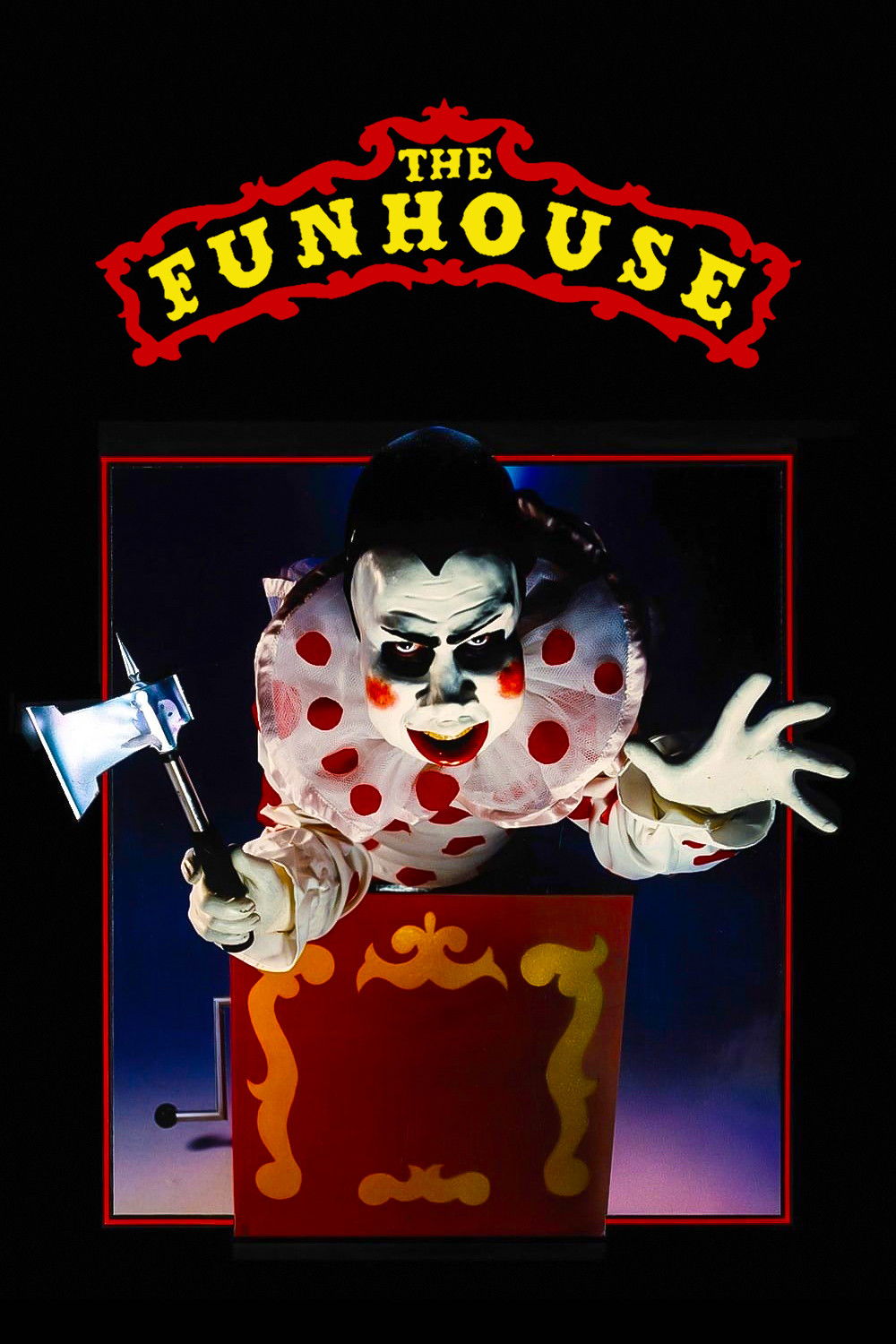
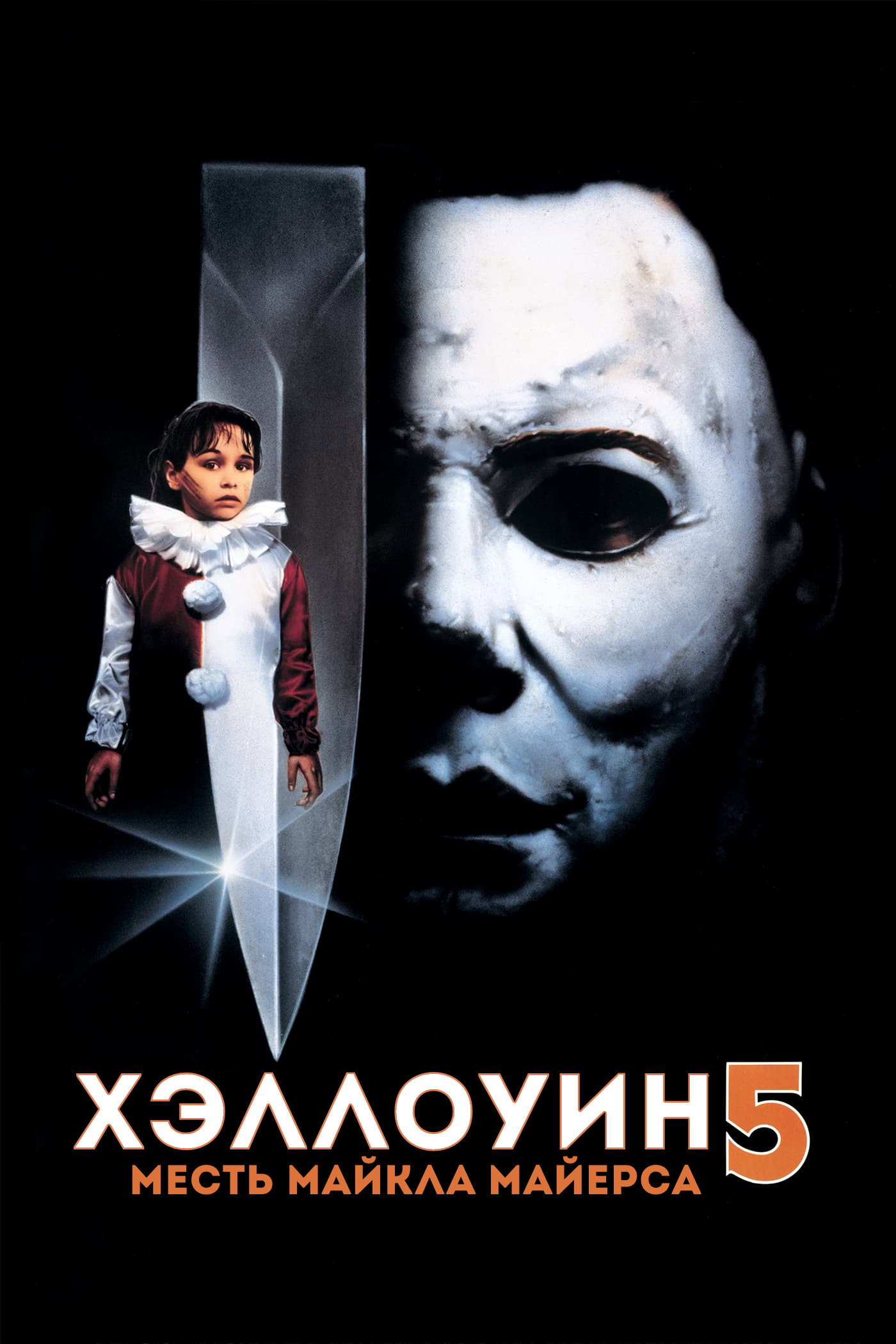
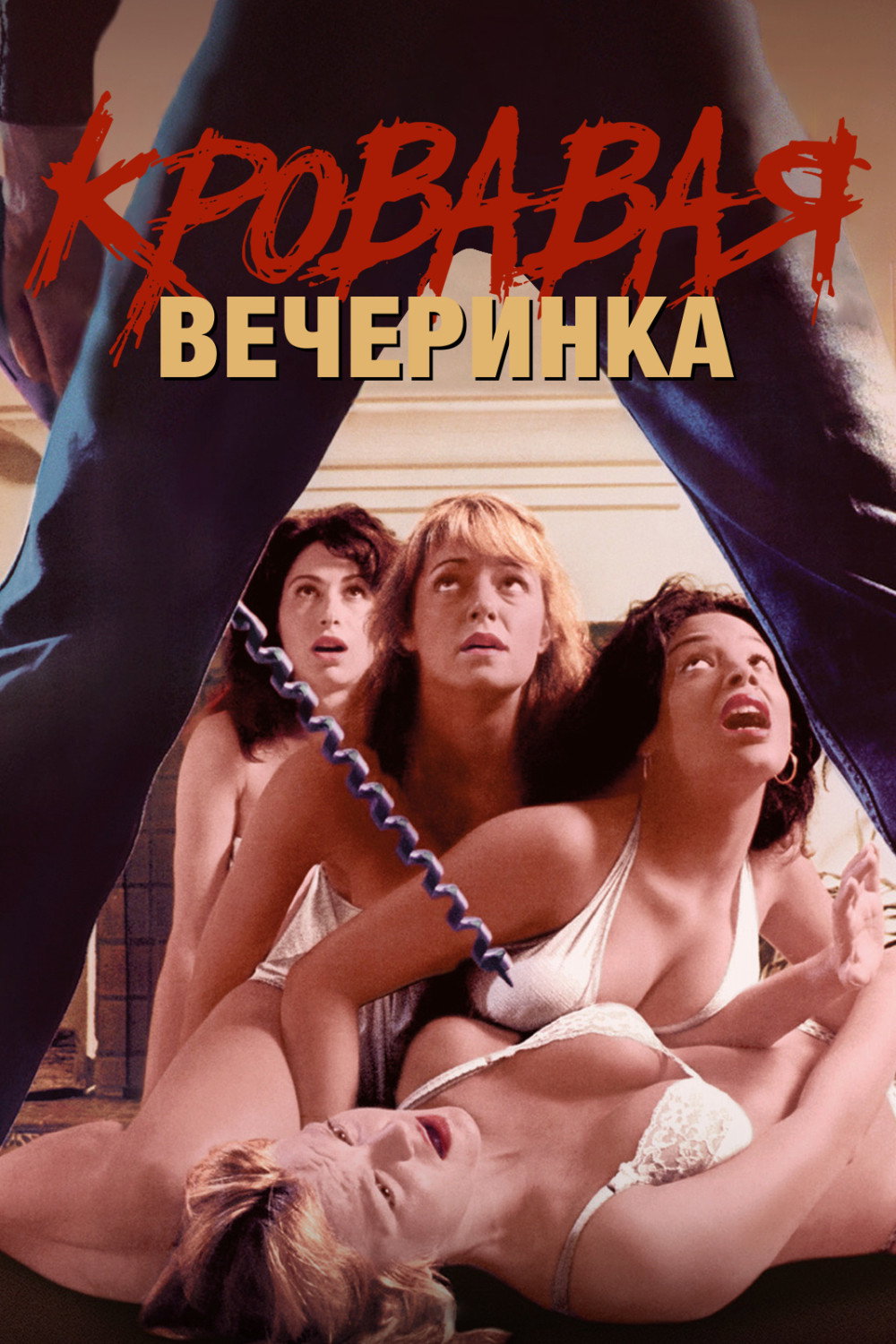
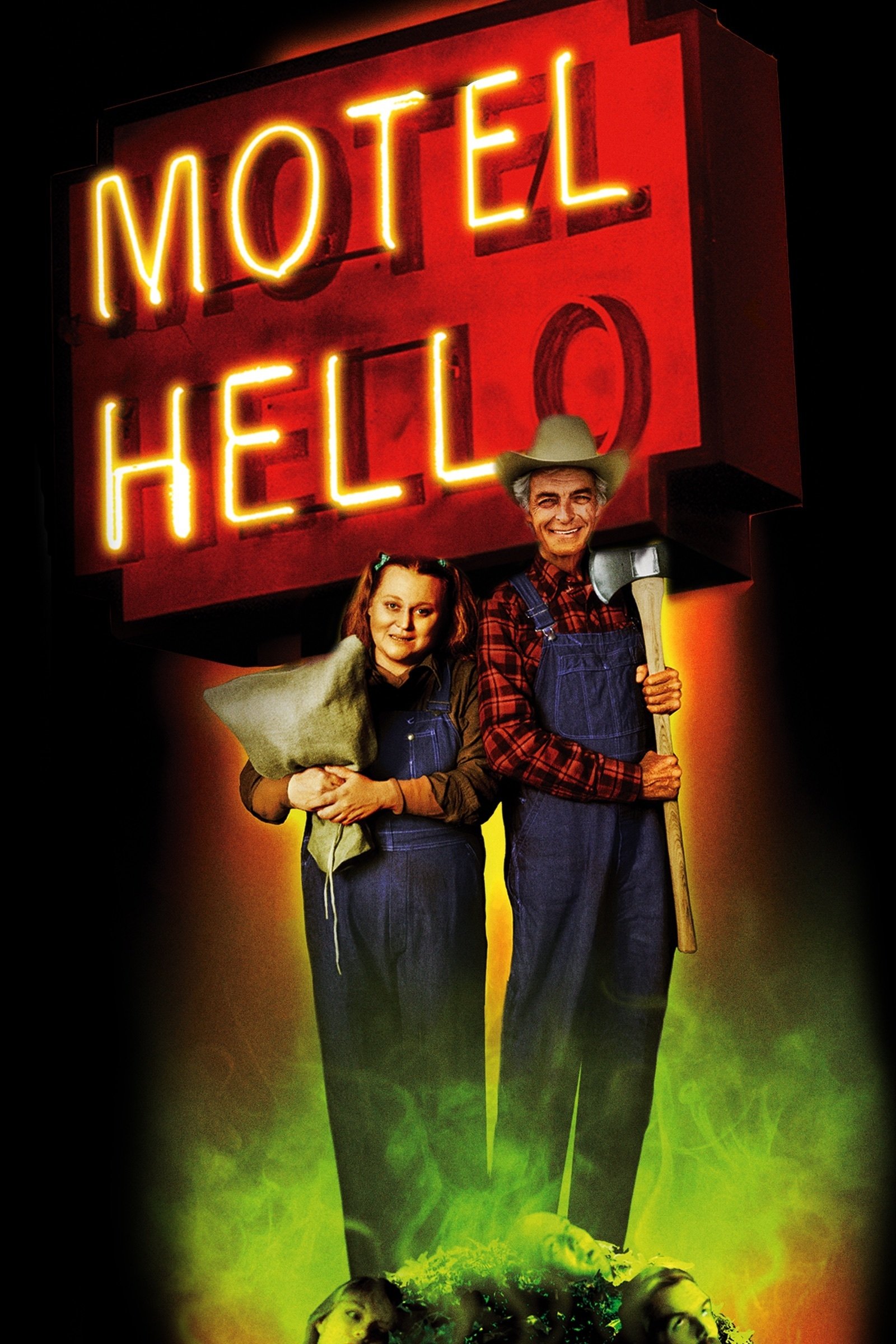
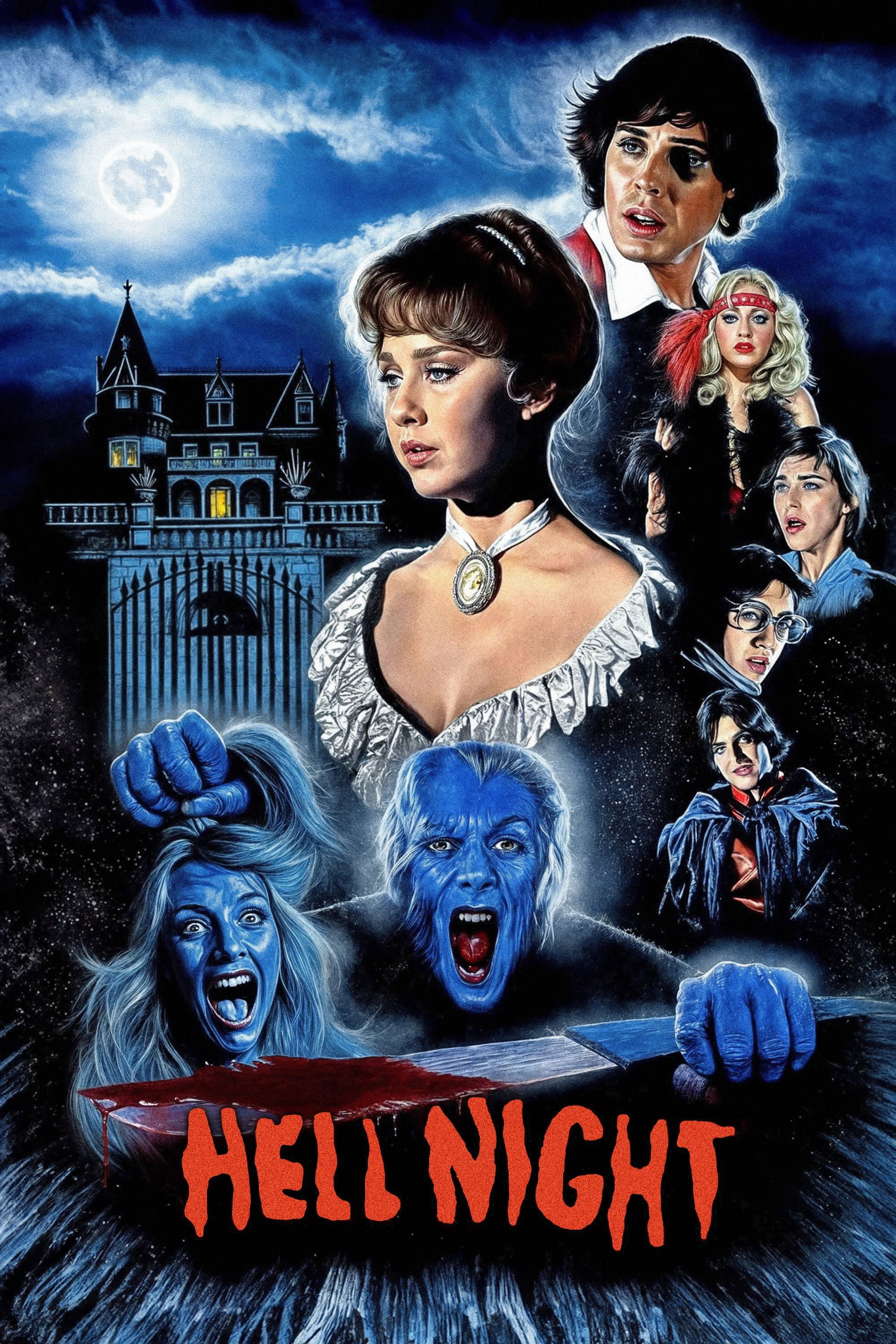
An eighties slasher runs on a rigid template, and that is half the fun. There is a reason to gather young people in one spot — a camp, a prom, an abandoned house. There is a man with a past and a weapon. And there is the first-person camera that trails the victim down a dark hallway before we ever see the killer's face.
Halloween set the formula in 1978, but it was Friday the 13th in 1980 that turned it into an assembly line: cheap stock, a recognizable mask, a body count instead of a plot. Sequels followed, and every studio wanted its own camp and its own killer. By mid-decade the market was so crowded that half the films here never reached a wide audience — they played drive-ins and went straight to tape.
If this is your first time, start with Friday the 13th — everything grew out of it, including the genre's own jokes. For dream mythology go to A Nightmare on Elm Street 3: Dream Warriors, the best entry after the original. Save Sleepaway Camp for later: under the naive wrapping hides one of the most argued-about endings of the decade. And Child's Play shows where the genre headed by the late 80s — from a faceless maniac to a villain with a character and a voice.
The best stuff sits outside the big runs. The Burning gave the industry a young Tom Savini and his effects, My Bloody Valentine moved the carnage to a mining town, April Fool's Day toys with the viewer more honestly than many modern thrillers. These films rarely make horror lists, which is a shame: small budgets, large invention.
Watch them not for fear in the modern sense but for texture: film grain, practical effects, synth scores, and teenagers in neon jackets. Put one on at night and keep going — eighties slashers were built to run back to back.
The genre carries an unwritten rulebook that films either obey or break on purpose. The survivor is usually the one who did not drink, did not wander off with a boyfriend, and noticed the danger first — the final girl. The killer stays silent and nearly unkillable, the weapon is cold and heavy, and the mask hides the face until the very end. Halloween 5 and the late Friday entries already play with these cliches openly, while April Fool's Day builds an entire trap for the viewer out of them. Once you know the pattern you get a second pleasure: you stop watching who dies and start watching how the director cheats the expectation.
With Friday the 13th (1980) — it set the template for the whole genre. Then A Nightmare on Elm Street 3 and Sleepaway Camp for its notorious ending.
A slasher is built around a killer with a blade picking off a group of young people one by one, and a final girl who fights back. Plot is minimal; the focus is tension and the body count.
The Burning, My Bloody Valentine, April Fool's Day and Motel Hell are cult favorites that rarely show up on mainstream lists.