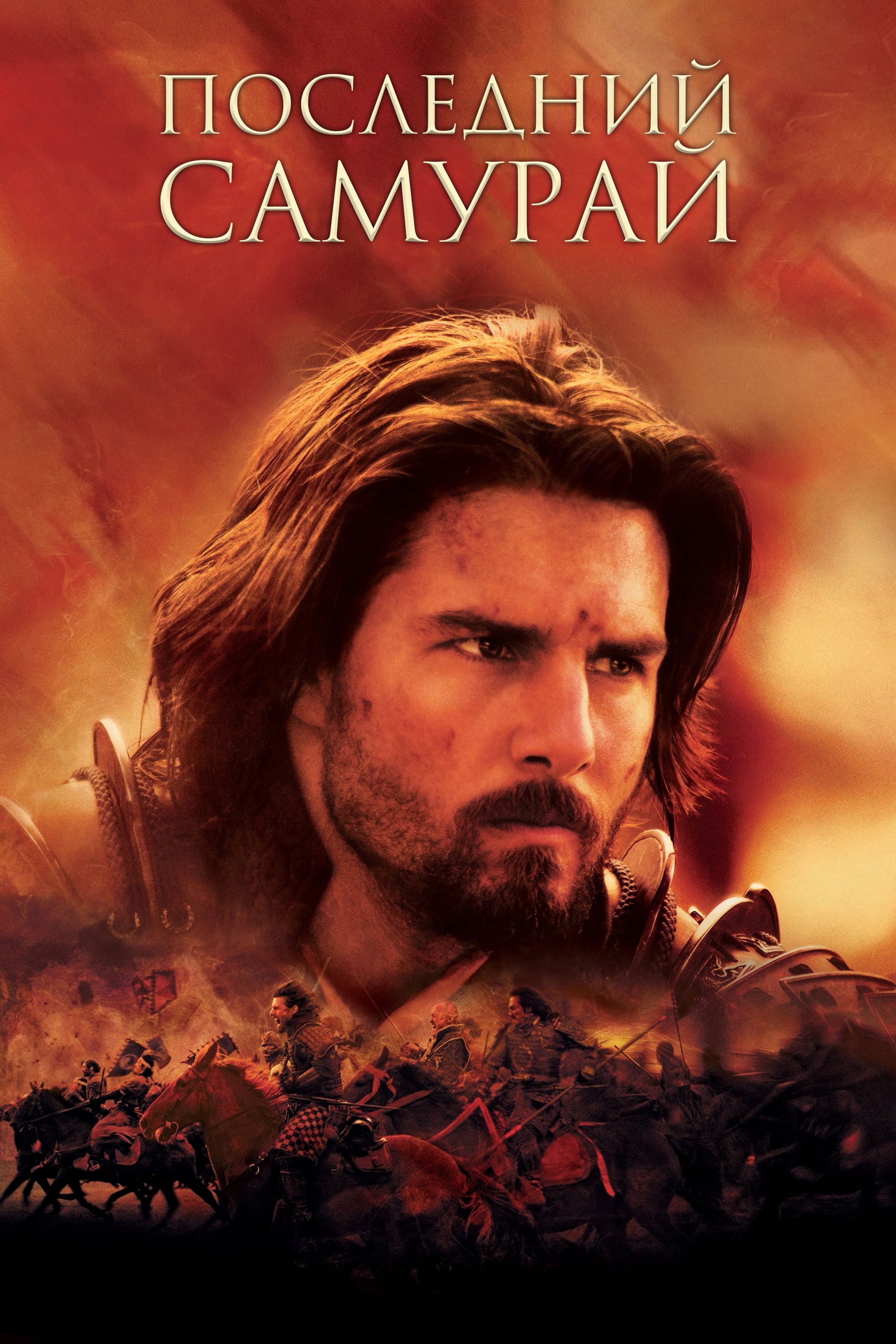
The Last Samurai
Watch samurai films online here, from Akira Kurosawa's black-and-white masterworks to the sharp jidaigeki of the new century. This is cinema where a katana settles arguments faster than words and a code of honor outweighs a life.
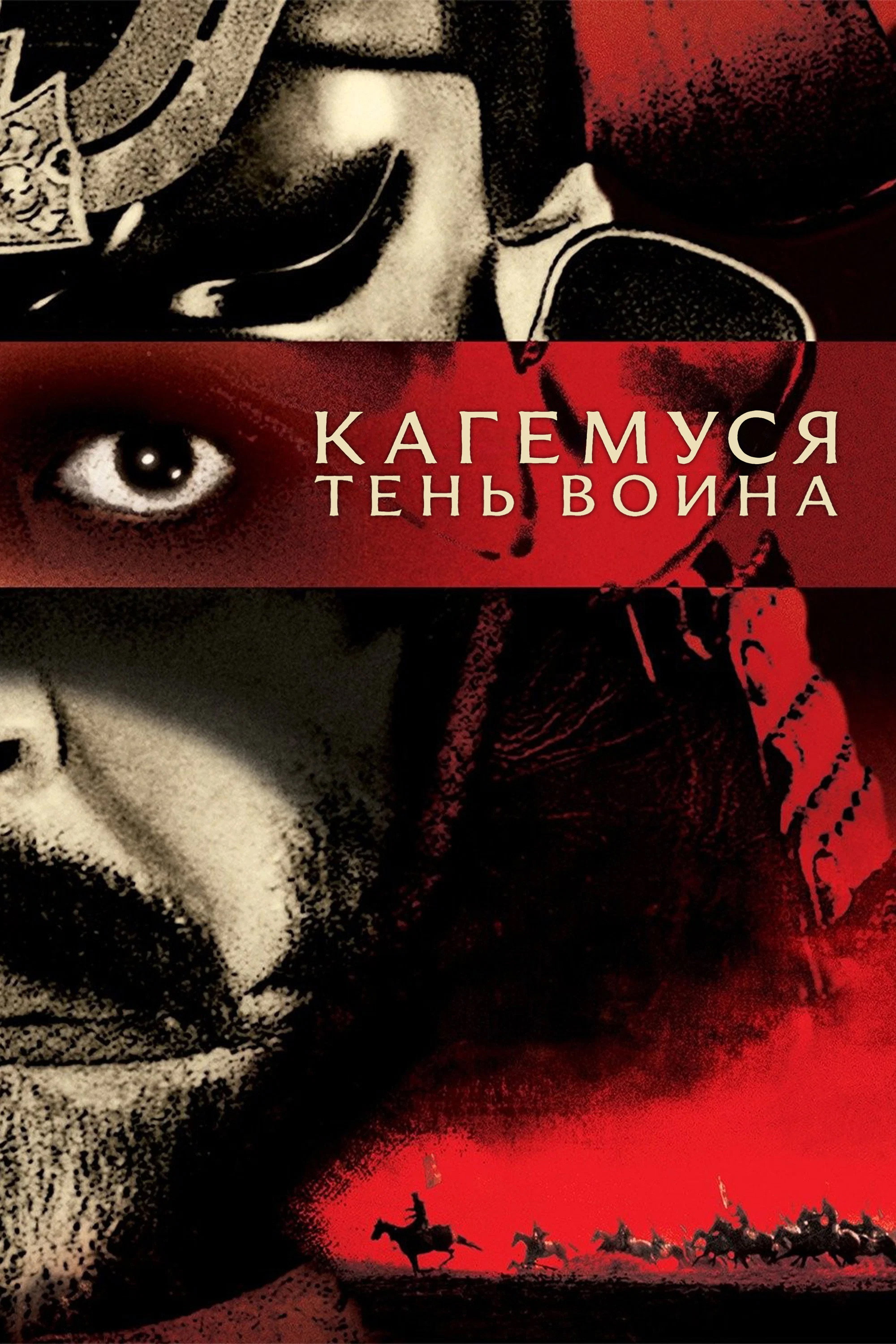
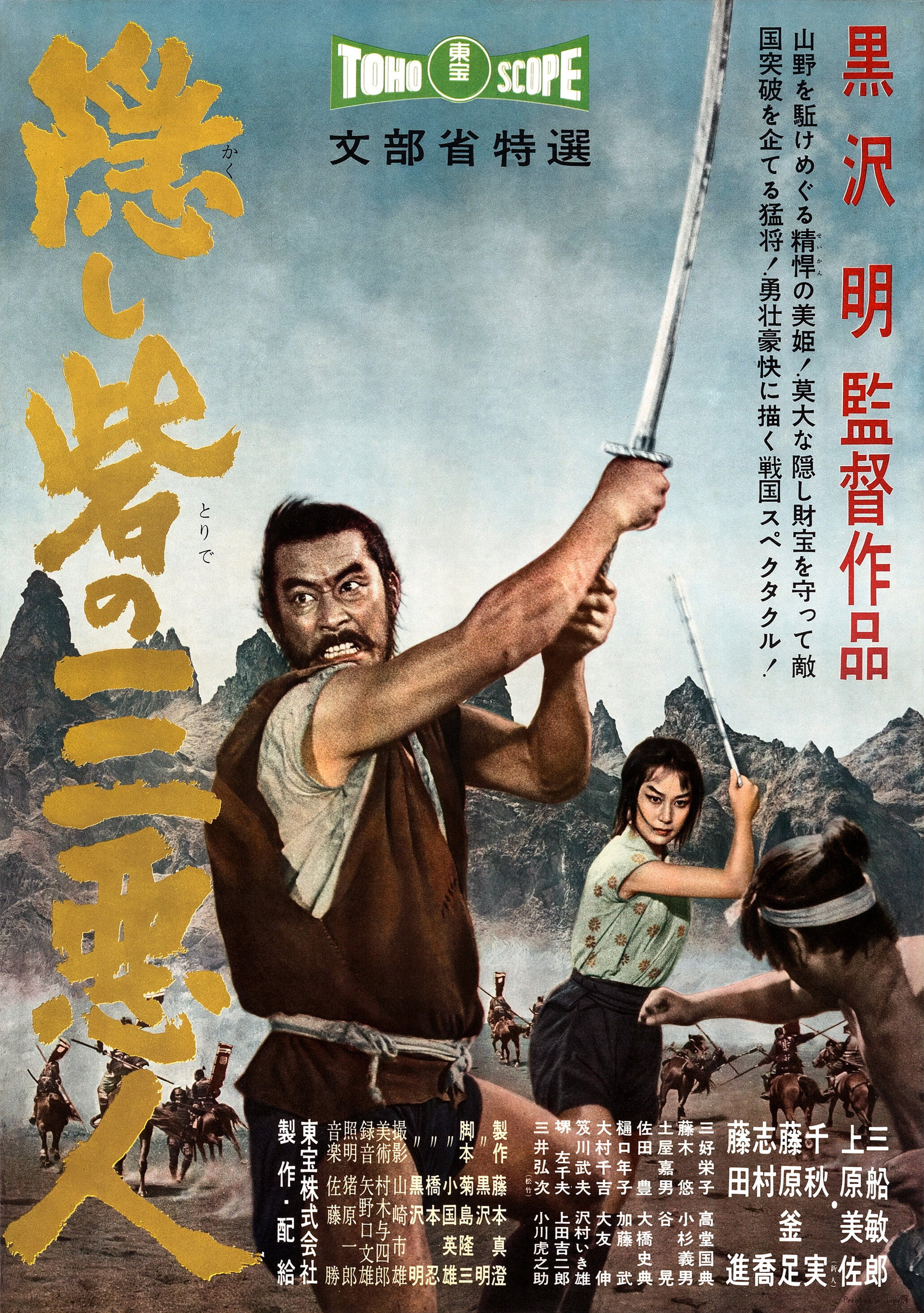
We picked by substance, not by famous names. Seven Samurai and Yojimbo wrote the genre's rules; Ran and Kagemusha carried them into widescreen color; 13 Assassins and The Twilight Samurai proved the age of the blade still breathes. Beside them sit Zatoichi, Throne of Blood and Samurai Rebellion, from battlefield epics to chamber dramas about duty.
It is a list for anyone who wants to see where half of modern action cinema was born, or simply to watch steel meet steel. Start anywhere; every film here stands on its own.
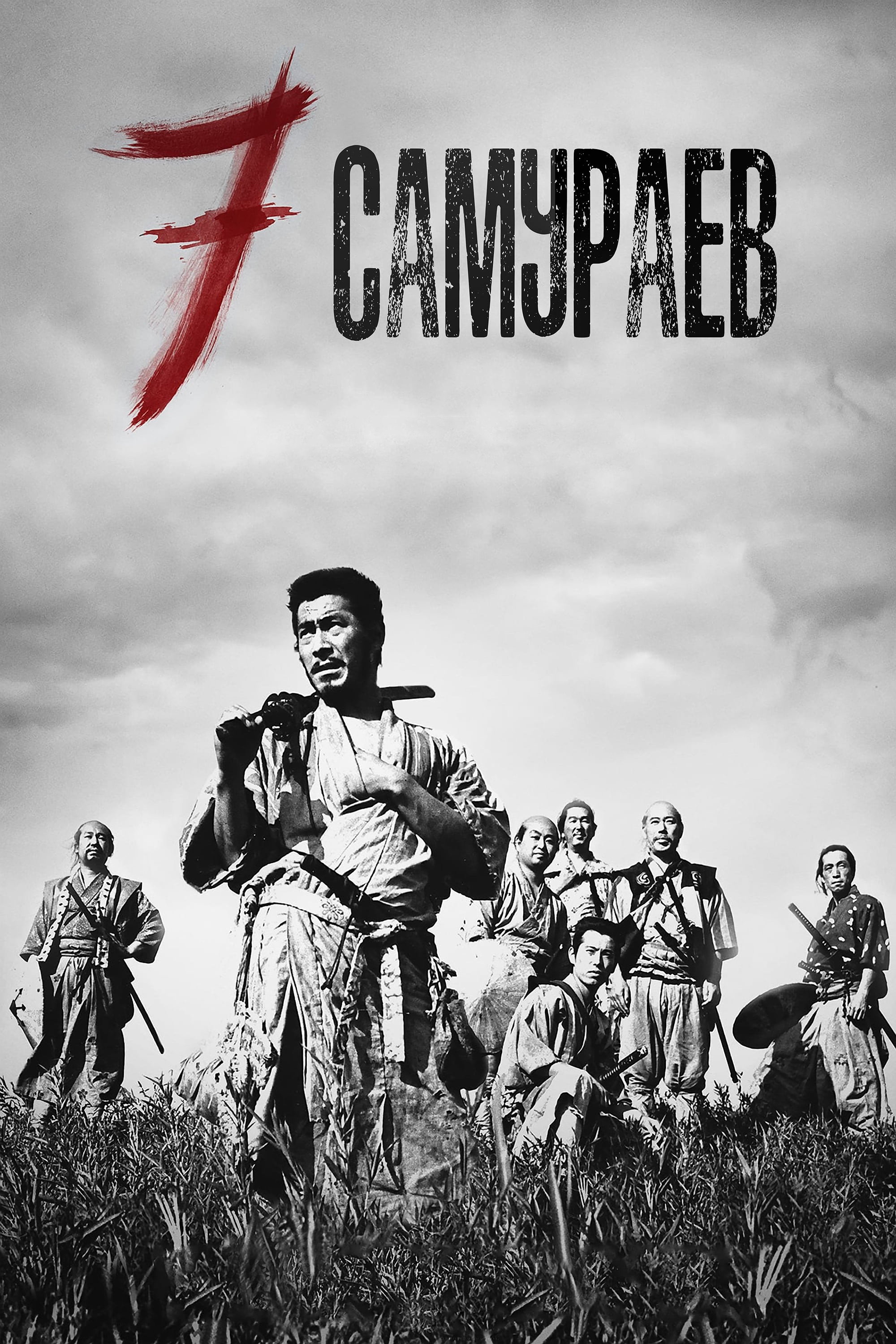
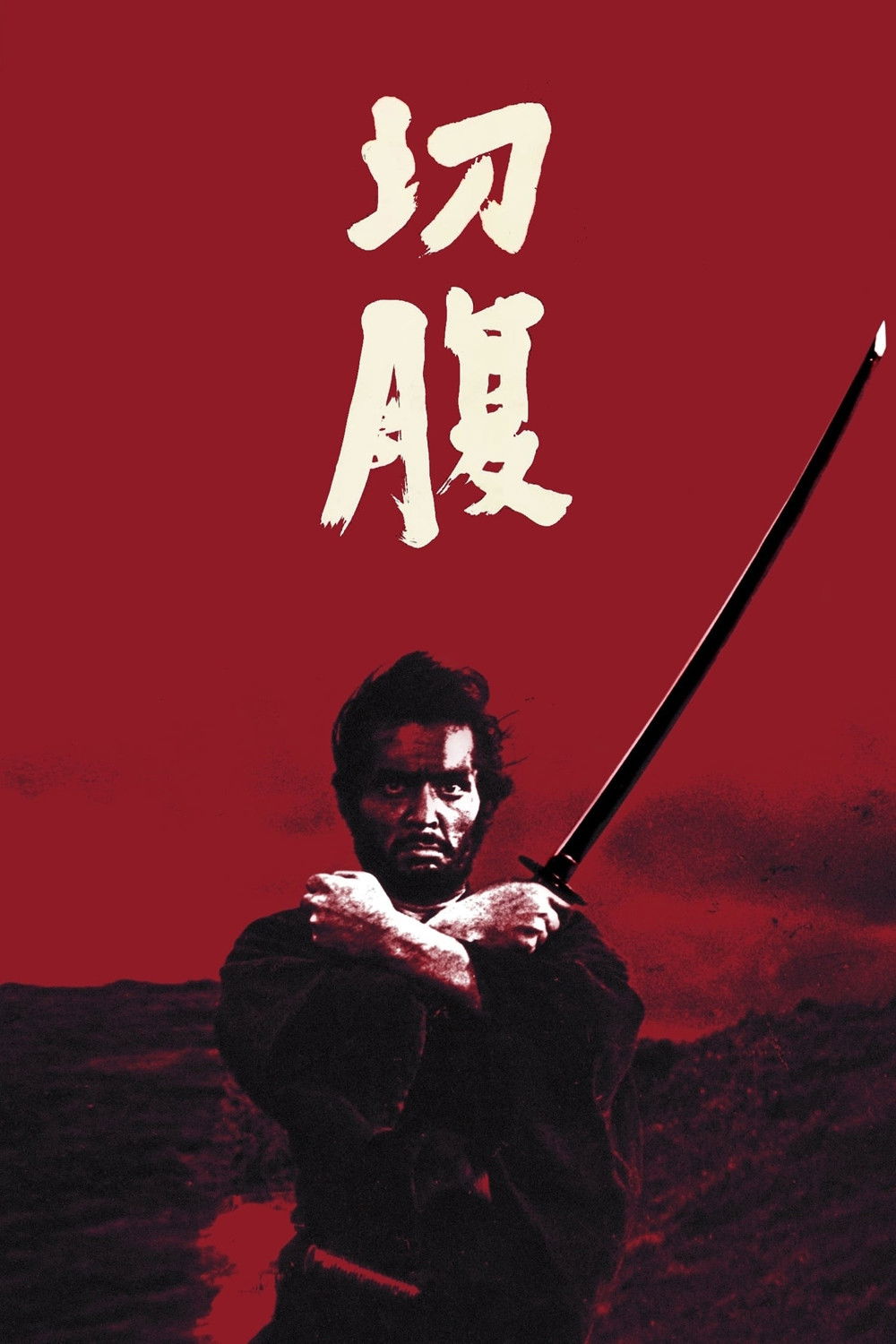
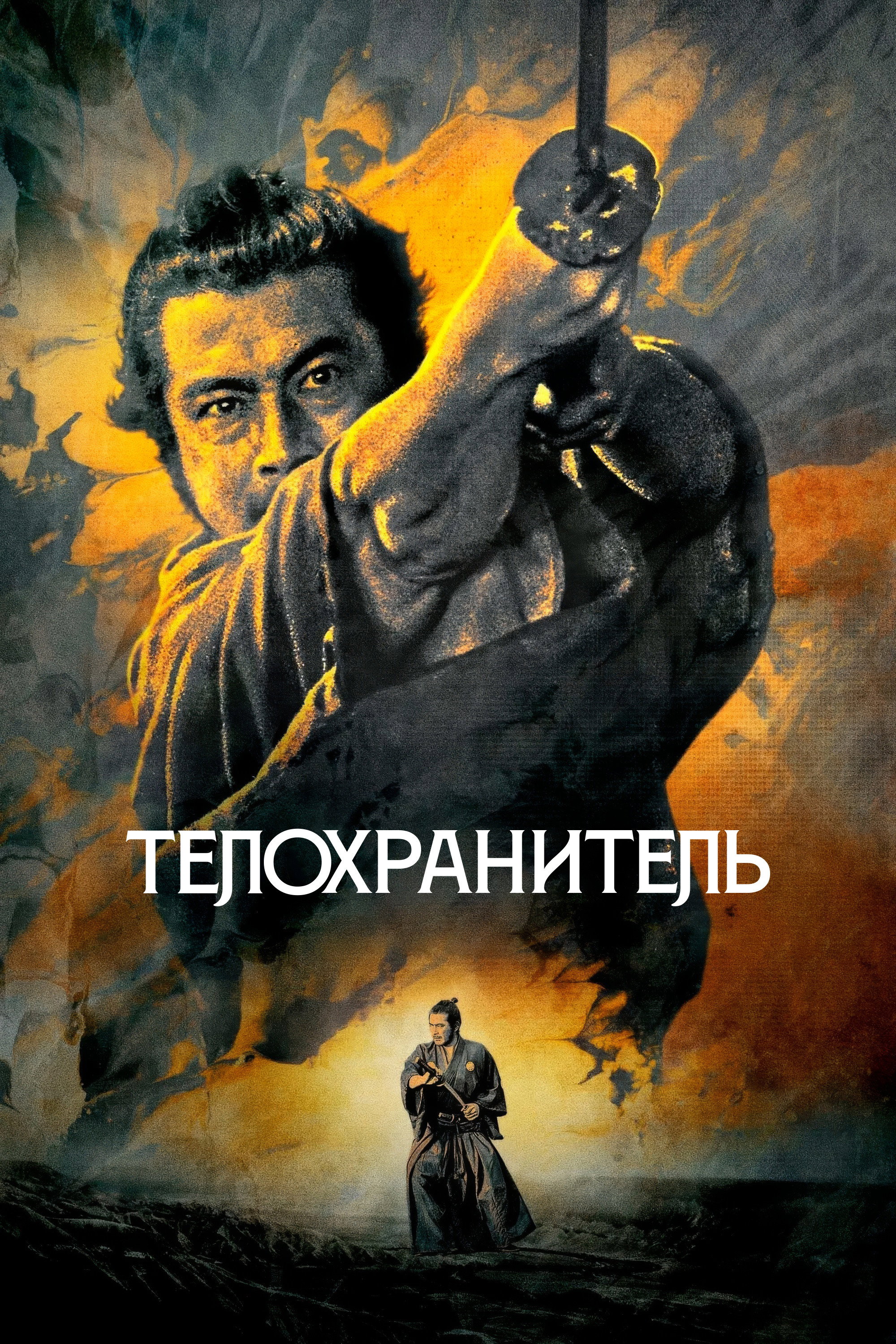
The samurai film is older than most Hollywood franchises, and it still feeds them ideas. The Magnificent Seven, Star Wars, half of every lone-avenger action movie ever made grew out of Japanese jidaigeki. The easiest way to understand where all of it came from is to go to the source instead of the copies.
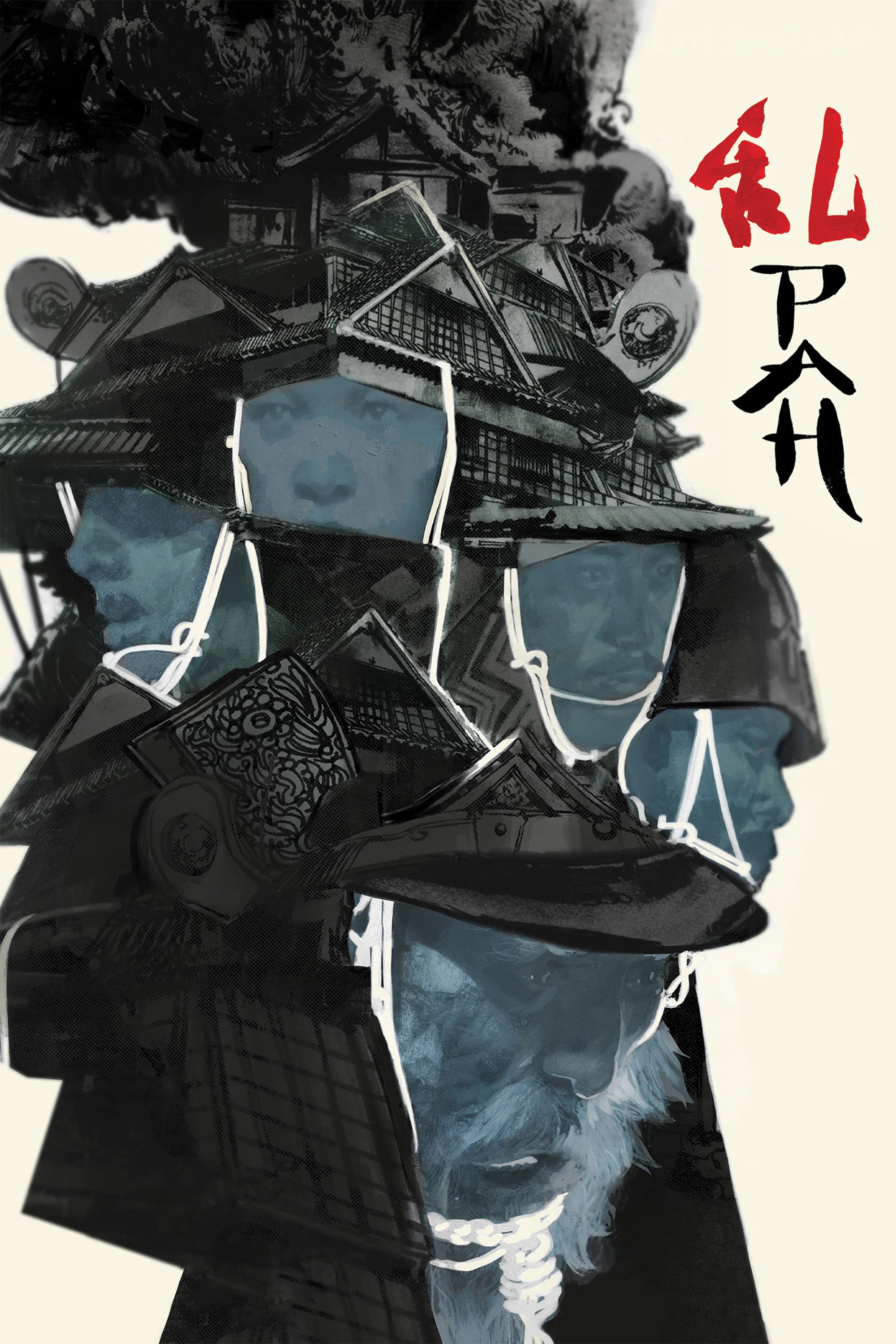
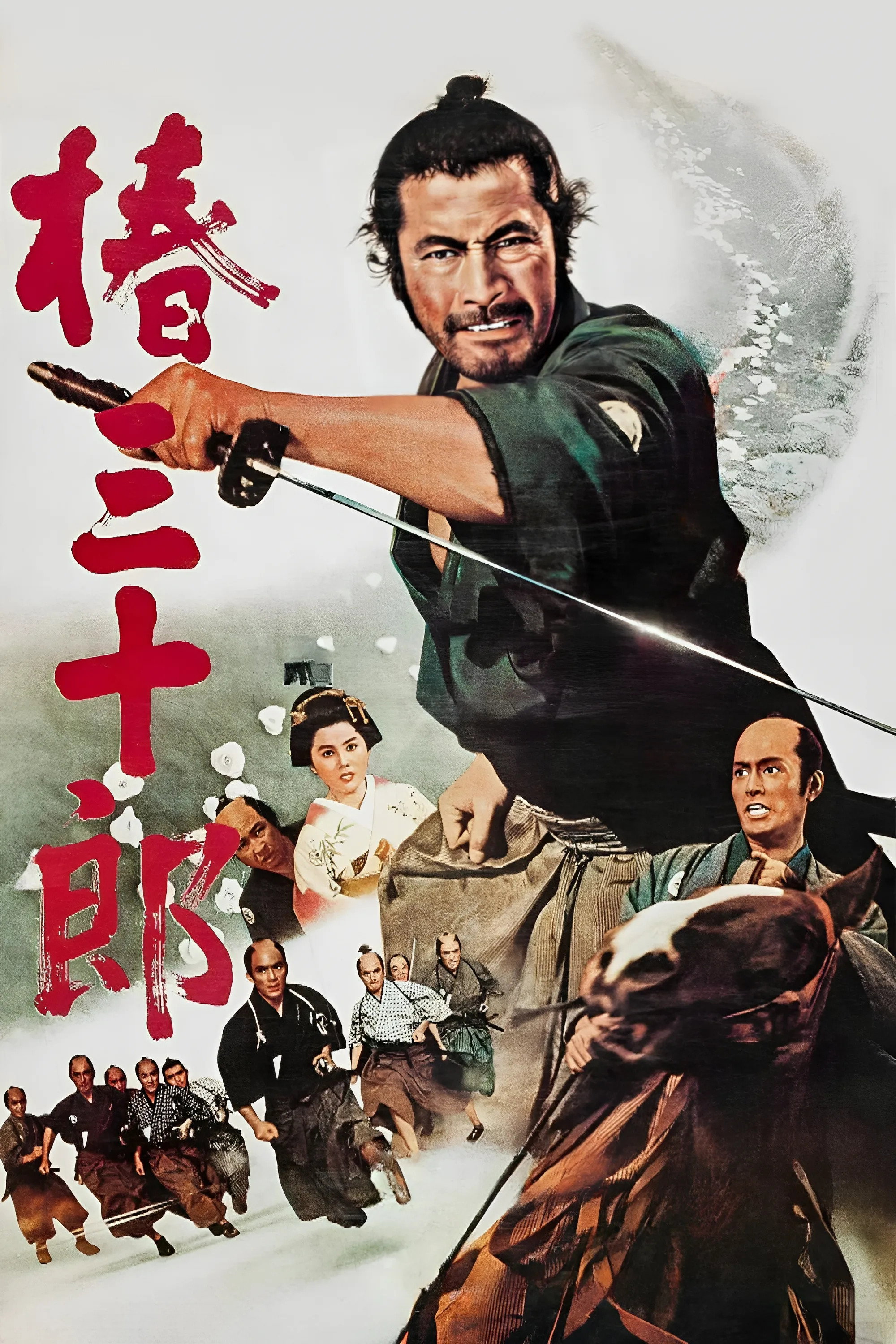
If you have never picked up a sword before, begin with Kurosawa's Seven Samurai — three and a half hours that never feel long. A poor village hires wandering warriors to fight off bandits, and every fighter gets a small, complete life before the end. Follow it with Yojimbo, in which a cynical ronin plays two gangs against each other in a dusty town; that plot later became A Fistful of Dollars. Want color and scale right away? Ran, Kurosawa's late masterpiece loosely based on King Lear, stages its battles like woodblock prints brought to life.
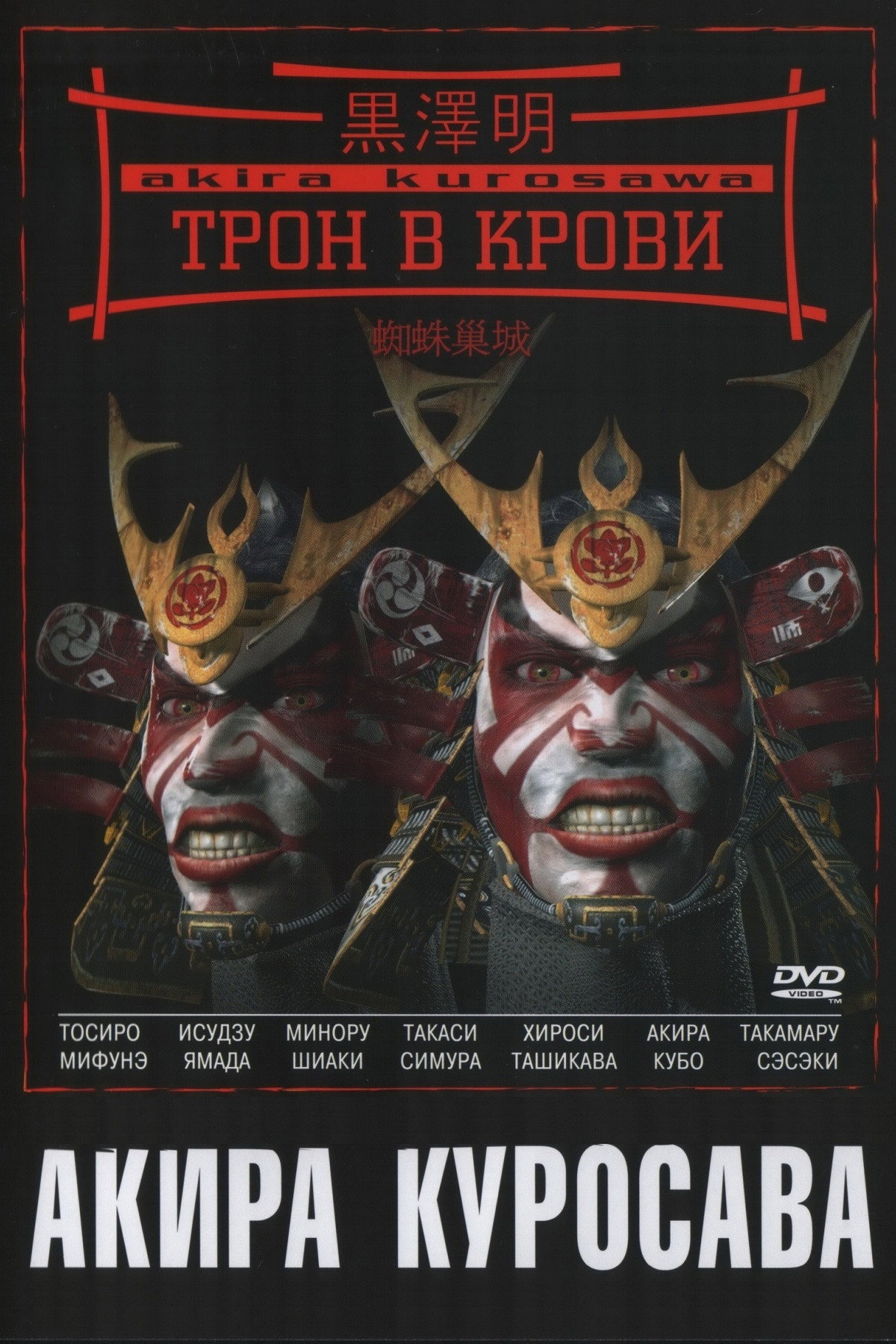
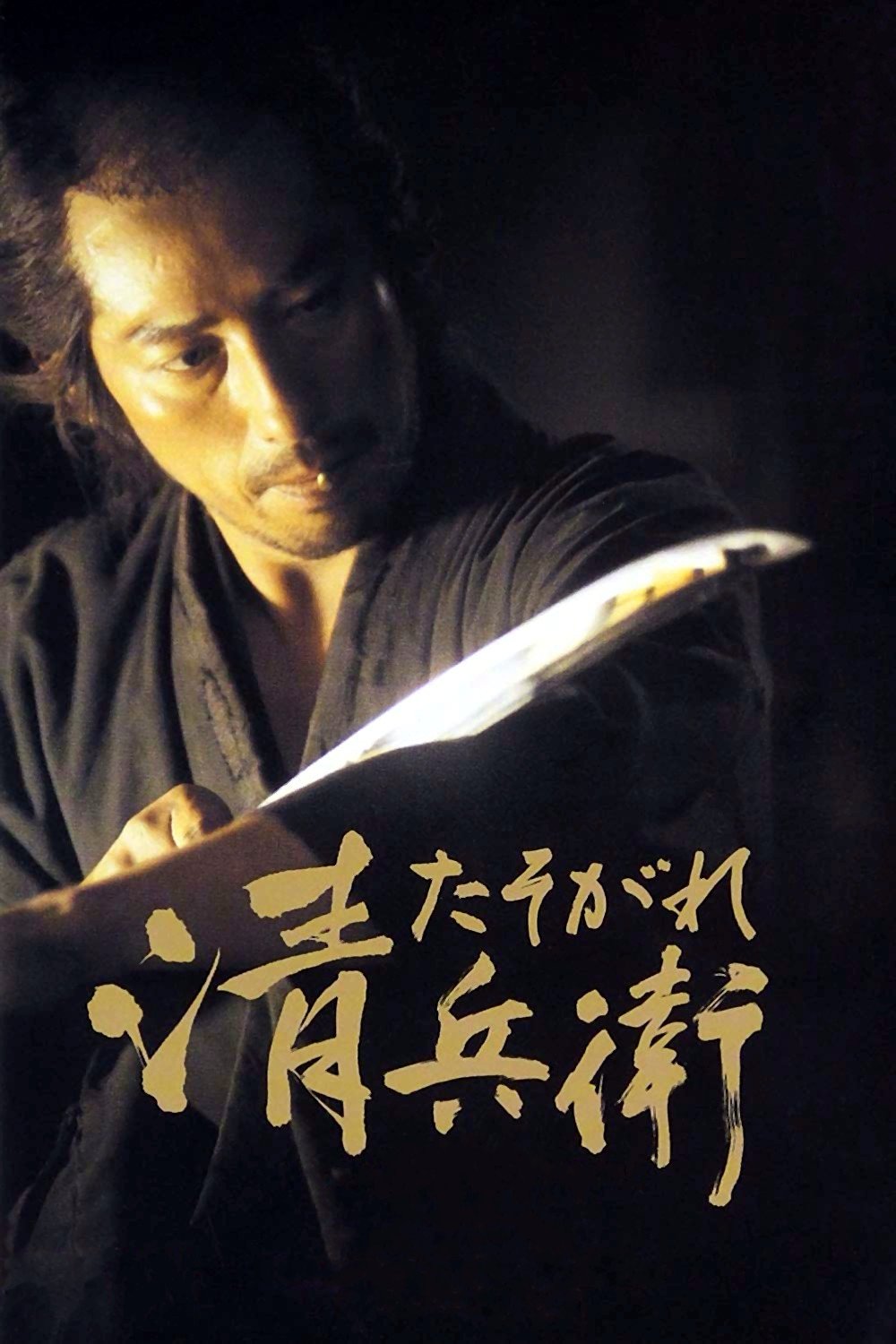
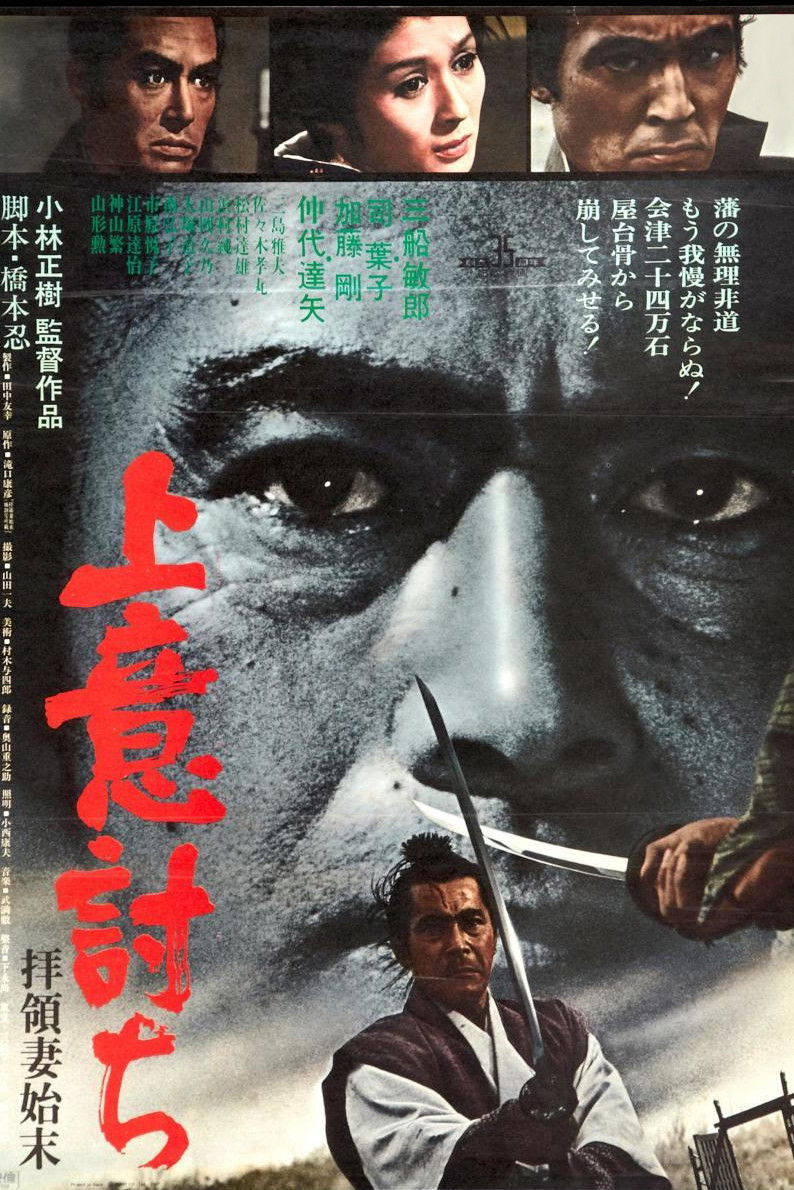
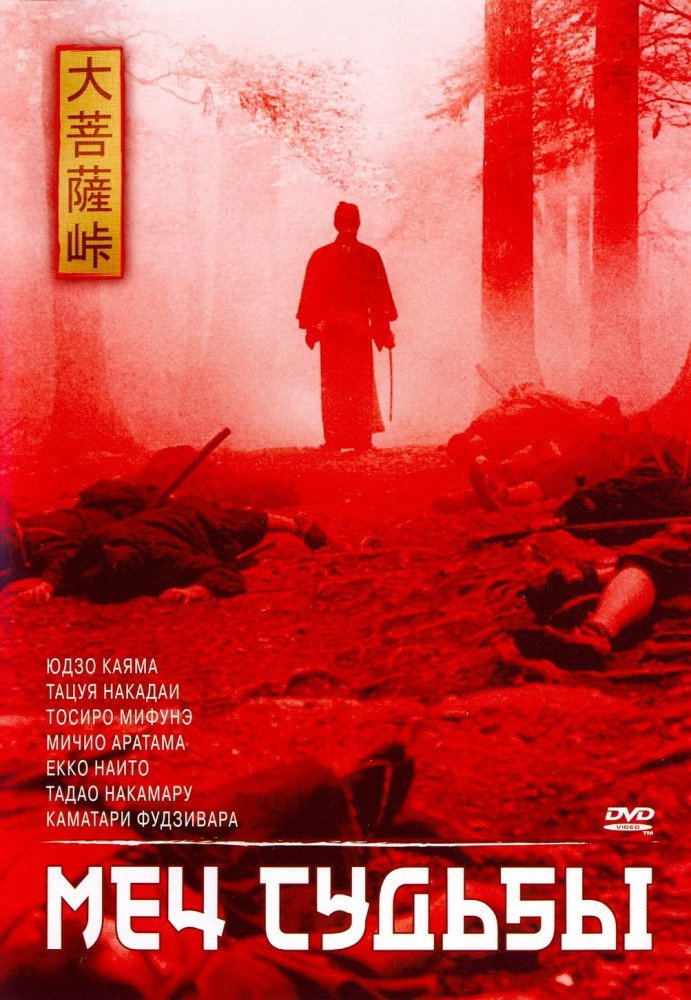
Reducing the whole genre to one director would be unfair. Masaki Kobayashi's Harakiri is a cold dissection of samurai honor that turns out to be a mask for a clan's cruelty. The Sword of Doom follows a swordsman with no conscience, and its ending hits harder than any moral. Throne of Blood drops Macbeth into foggy feudal Japan, and the arrows in its finale still make you flinch. The Twilight Samurai, directed by Yoji Yamada, walks away from the battlefield into the quiet story of an impoverished warrior who cares more about feeding his daughters than dying well.
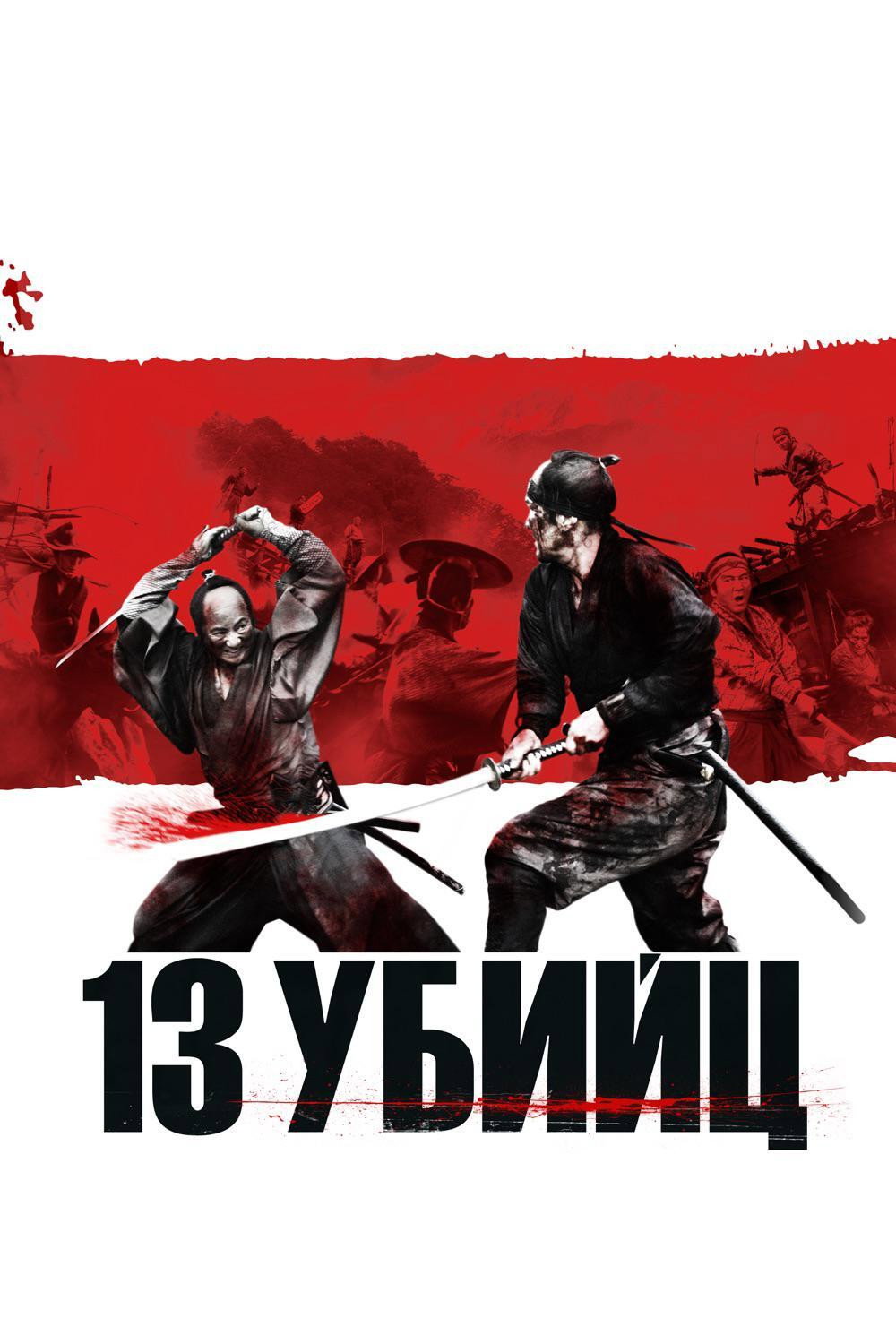
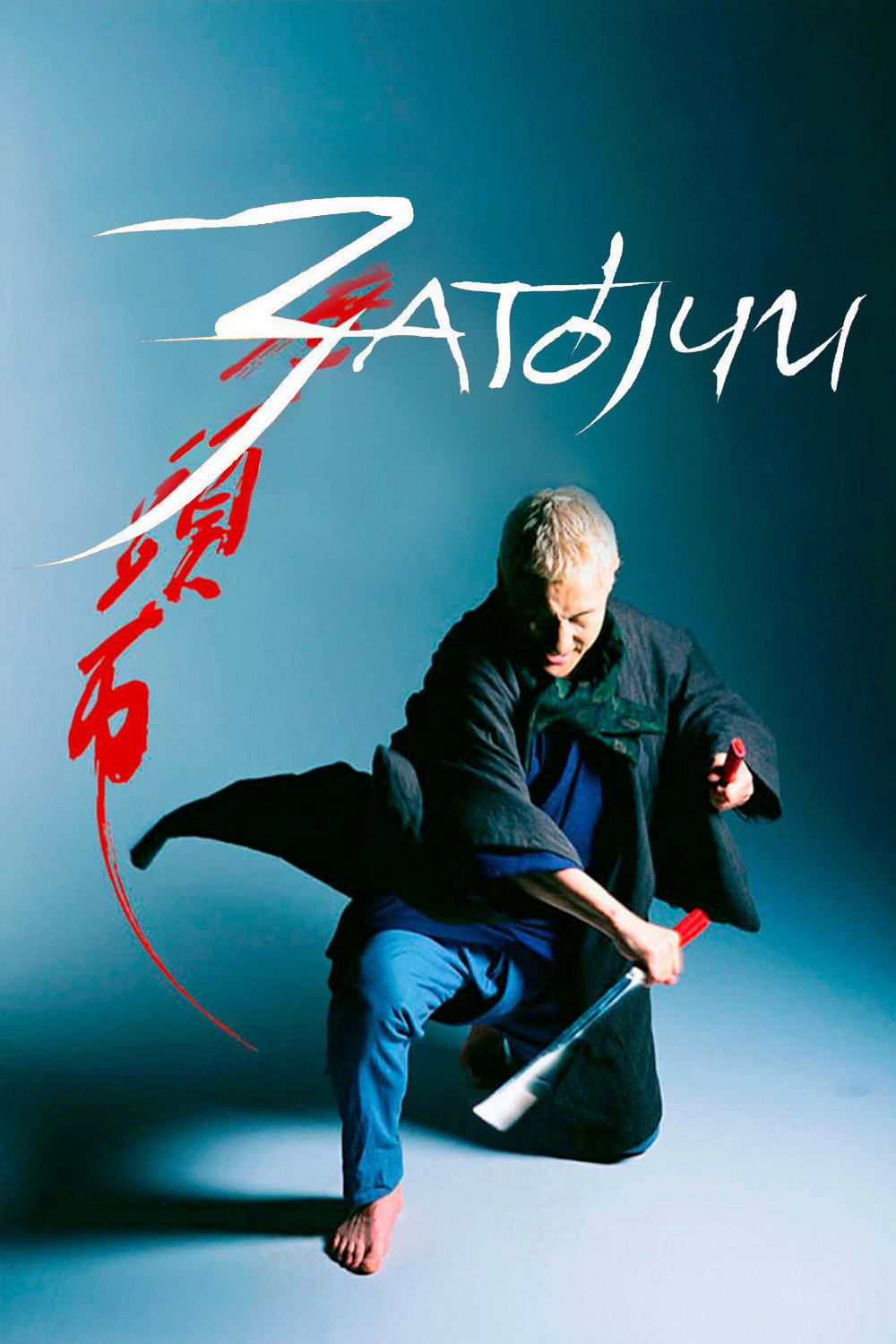
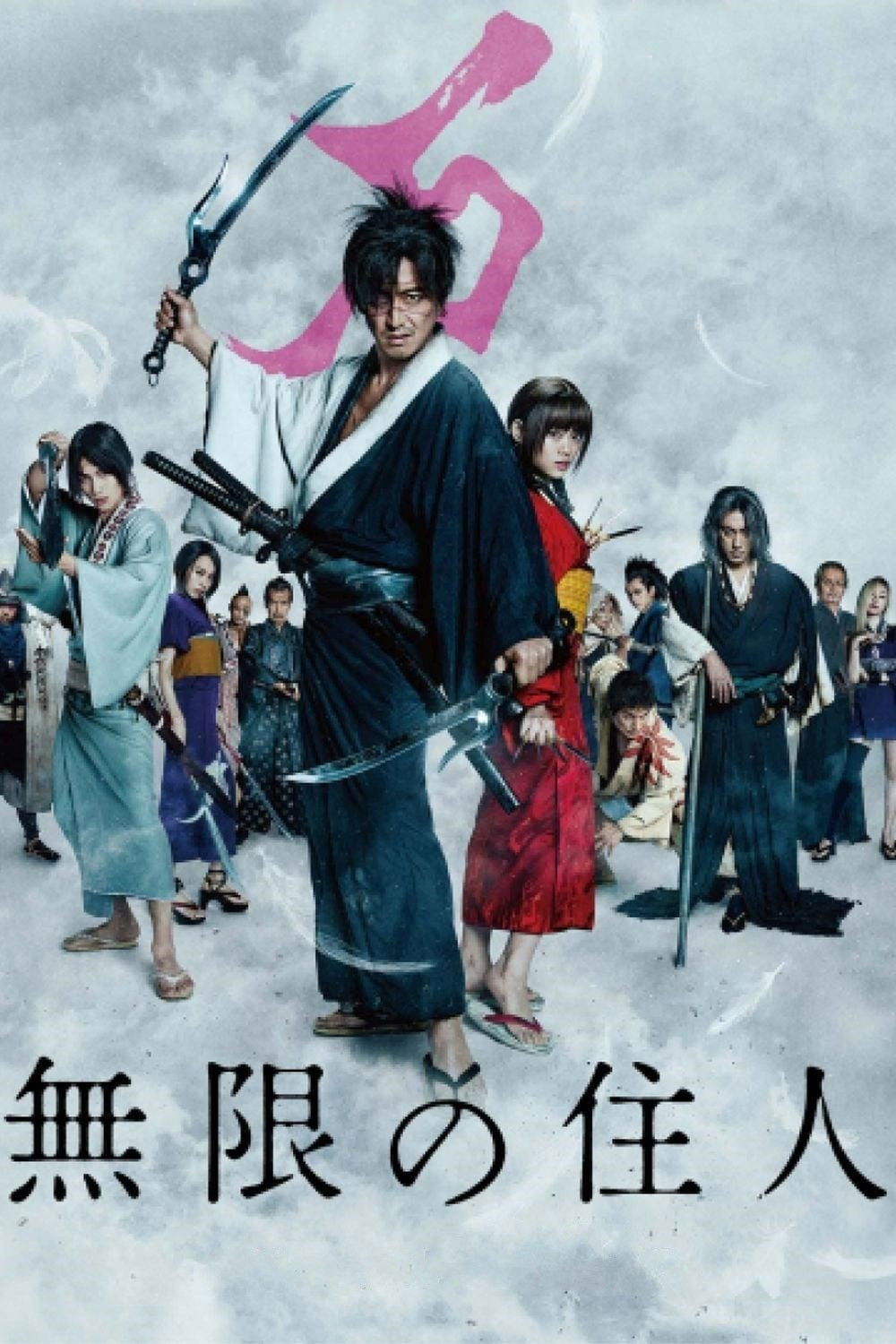
Modern directors keep proving the katana still cuts. Takashi Miike's 13 Assassins builds toward nearly an hour of unbroken final carnage, engineered with frightening precision. Takeshi Kitano's Zatoichi gives its blind swordsman tap dance and dark comedy. Blade of the Immortal drowns the screen in so much blood the spectacle becomes oddly beautiful. And Hollywood's The Last Samurai, with Tom Cruise, is an honest doorway for anyone not yet ready for subtitles.
Half this list was shot in the fifties and sixties, and that is no reason to skip it. These old Japanese films are composed so cleanly that today's blockbusters still steal their framing. Mud underfoot, sweat on the face, the long silence before a strike — all of it was invented here. If color matters to you, lean on Ran, Kagemusha and the later work; if you want pure atmosphere and choreography, go back to the classics. Pick one film for your mood, and the rest will follow.
Beginners usually start with Kurosawa's Seven Samurai or, for an English-language entry point, The Last Samurai with Tom Cruise. From there, Harakiri and Ran are the natural next steps.
The most influential is Seven Samurai (1954); its plot has been remade dozens of times, from The Magnificent Seven to Star Wars. Among Western films, The Last Samurai is the best known.