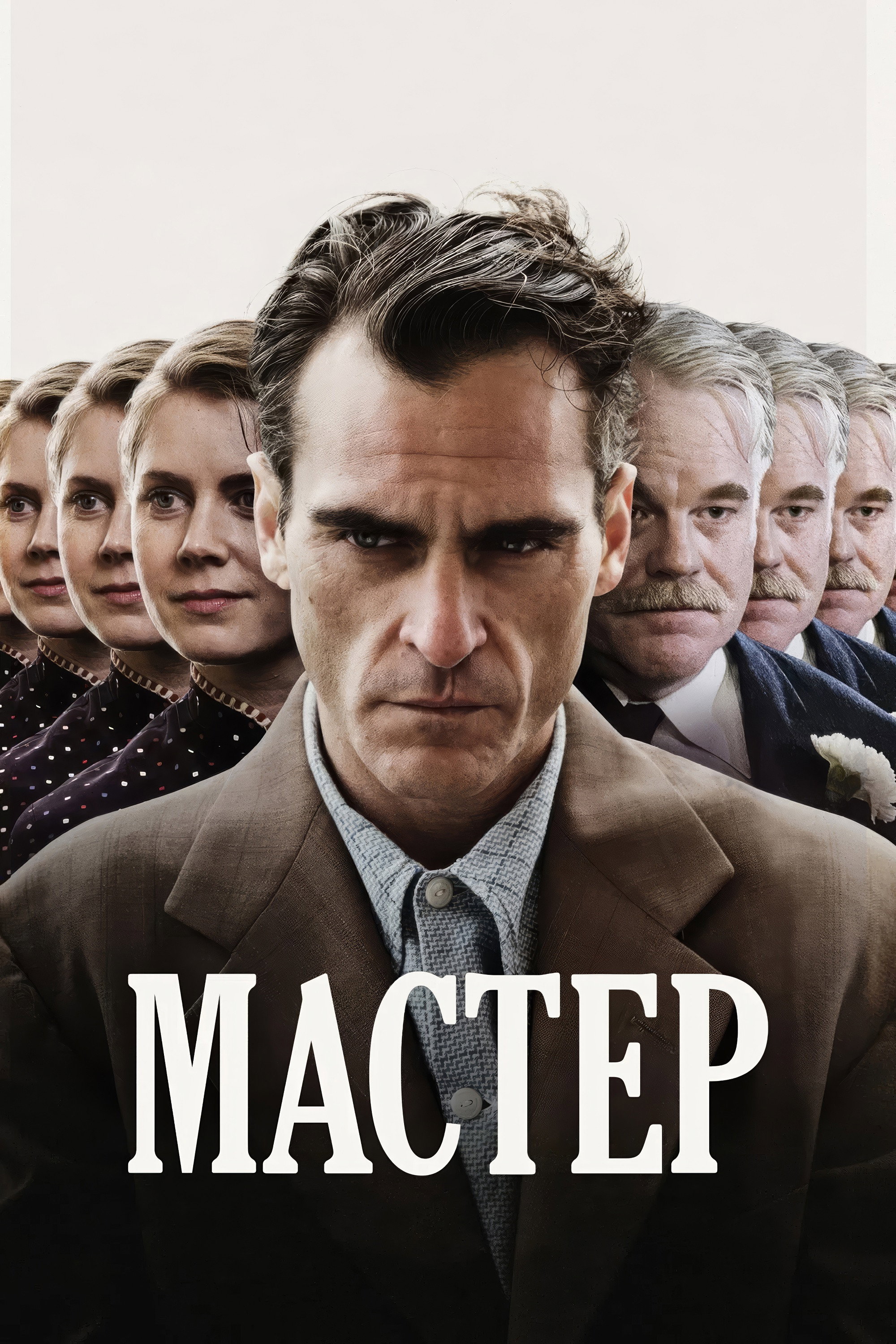
The Master
Films about cults you can watch online: stories of ordinary people who walk into a warm, welcoming community and slowly realize the smile hides a lock on the door.
From Paul Thomas Anderson's The Master, where a magnetic leader molds a lost veteran into a true believer, to Midsommar and its daylight flower crowns. Alongside them: the real-case Colonia and Waco, the classics Rosemary's Baby and The Wicker Man, the quiet drama Martha Marcy May Marlene and the brutal Apostle.
You get slow psychological dramas and folk horror, religious cults and homemade ones, backwater America and a Korean megacity. Put one on when you want a film that leaves you re-checking what you believe.
A horror monster is simple: run. A cult plays slower. First it feeds you, listens to you, calls you one of its own, and the lock only clicks years later, once there is nowhere left to go. Film loves that slow slide from warmth to control: we spot the trap long before the hero does and still understand how anyone could walk in. At the center there is almost always someone who speaks with more certainty than everyone else, and the best films about cults refuse to draw that person as a cartoon. Behind every follower sits not stupidity but ordinary need: for meaning, for family, for an answer the world won't give. That is exactly why it frightens: the hero could have been you.
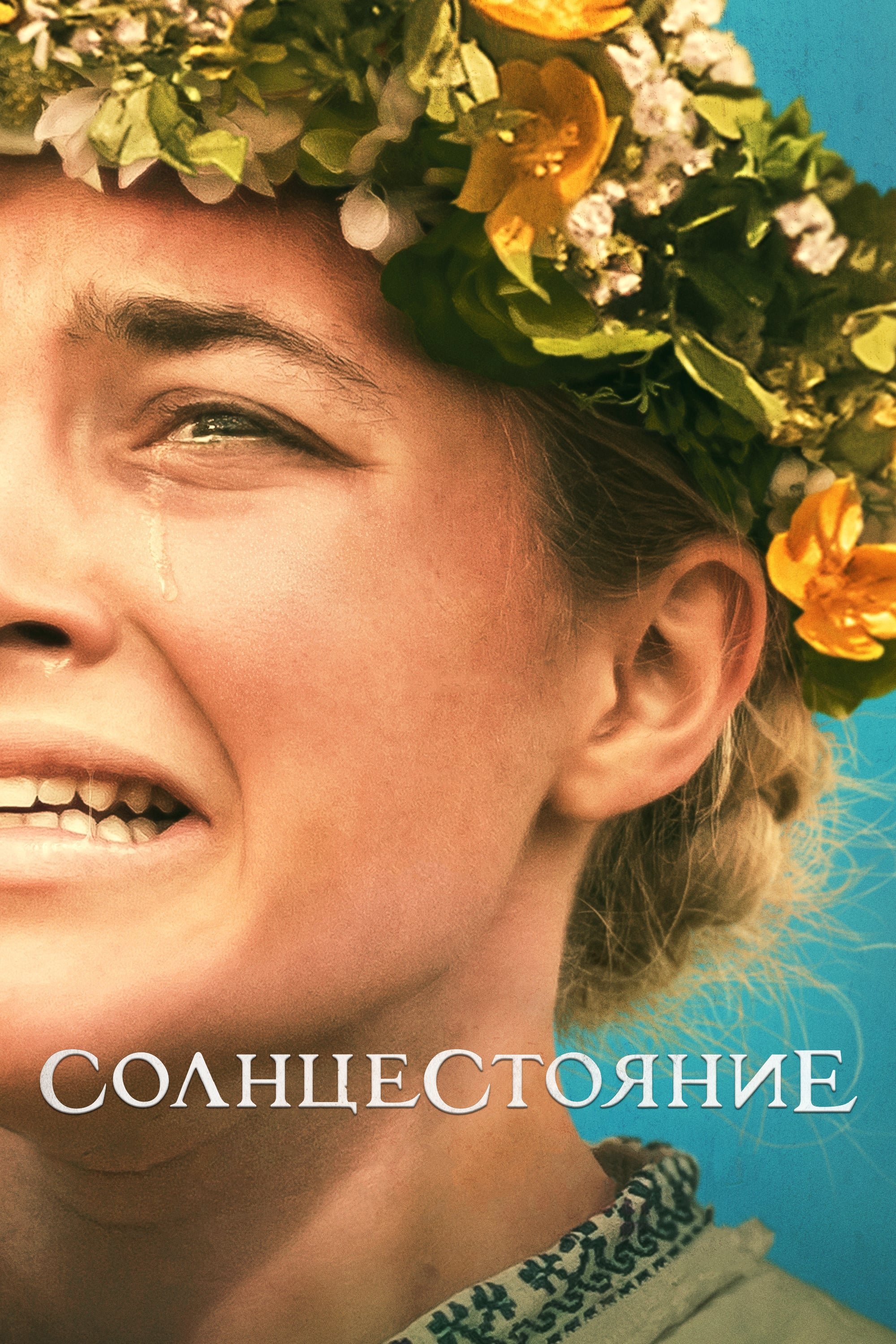
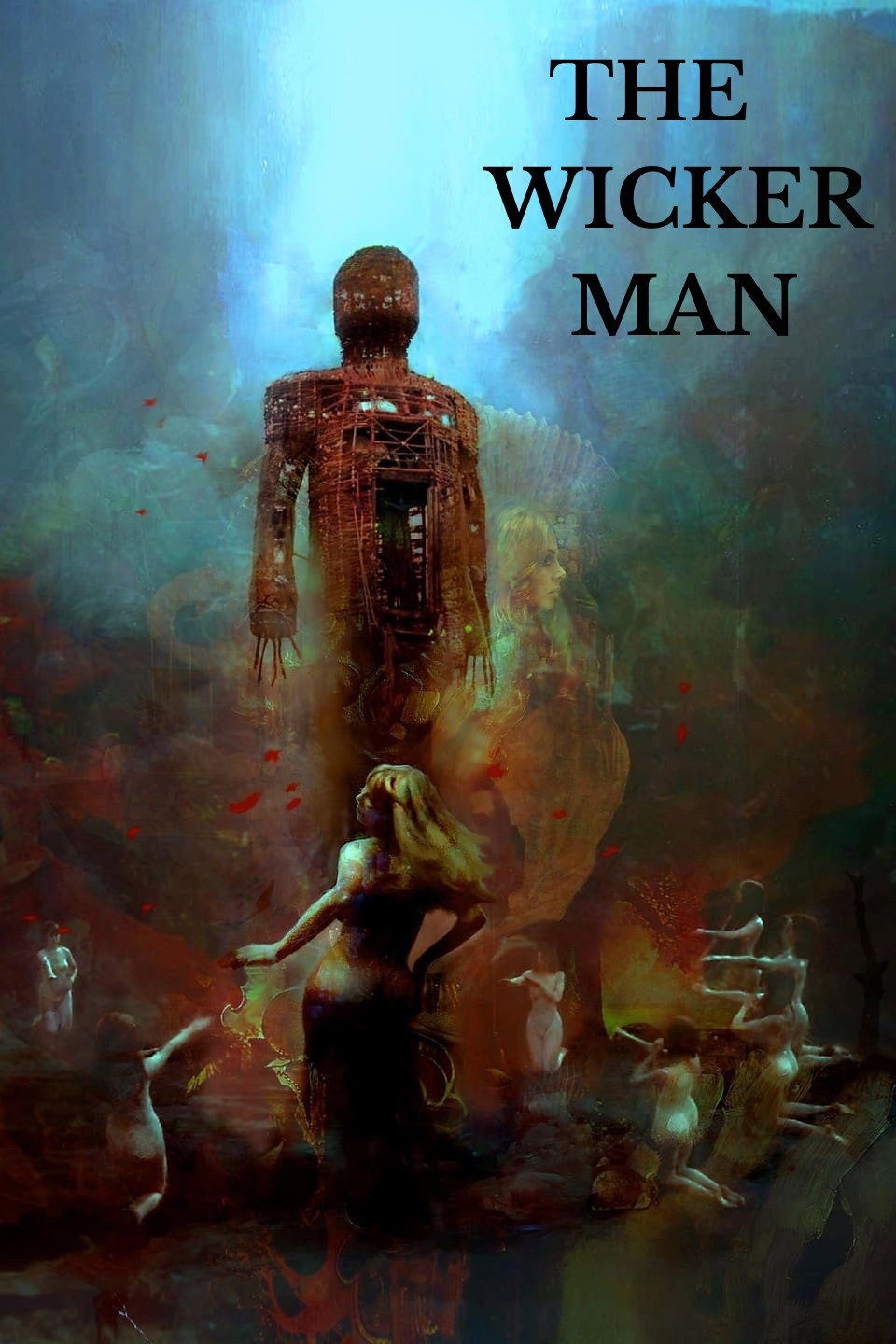
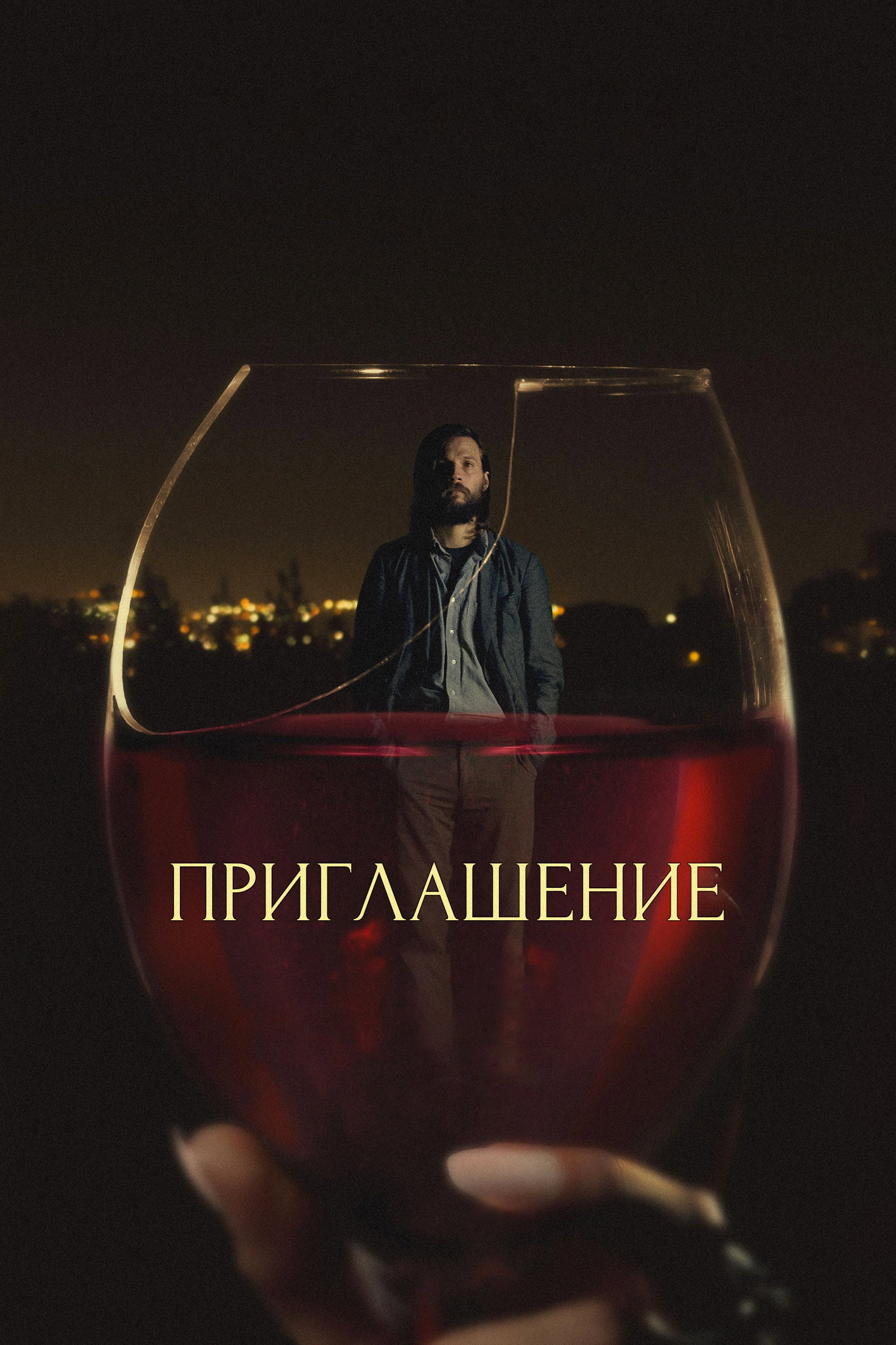
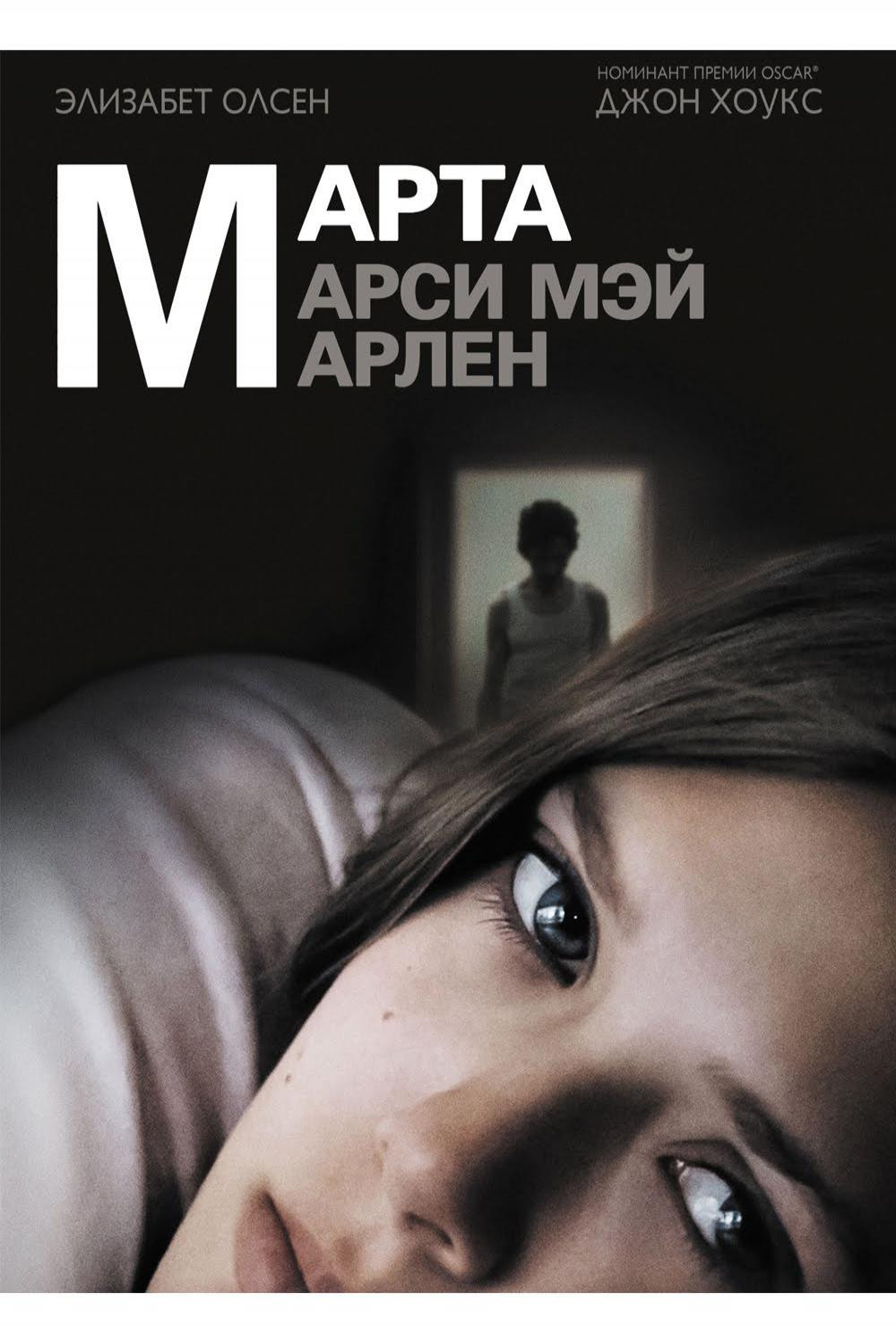
Start with The Master, where Joaquin Phoenix plays a war-broken drifter reshaped by Philip Seymour Hoffman's magnetic preacher; it is a film about the hunger to believe, not an exposé. Want dread in broad daylight? Try Midsommar, with its Swedish commune, white dresses and blood-freezing smiles. For pure psychology there is Martha Marcy May Marlene, whose heroine escaped the commune with her body but not her head. The Invitation turns a dinner with old friends into a slowly tightening noose, while Rosemary's Baby and The Wicker Man remain the blueprints: nobody screams, the neighbors are simply too friendly.
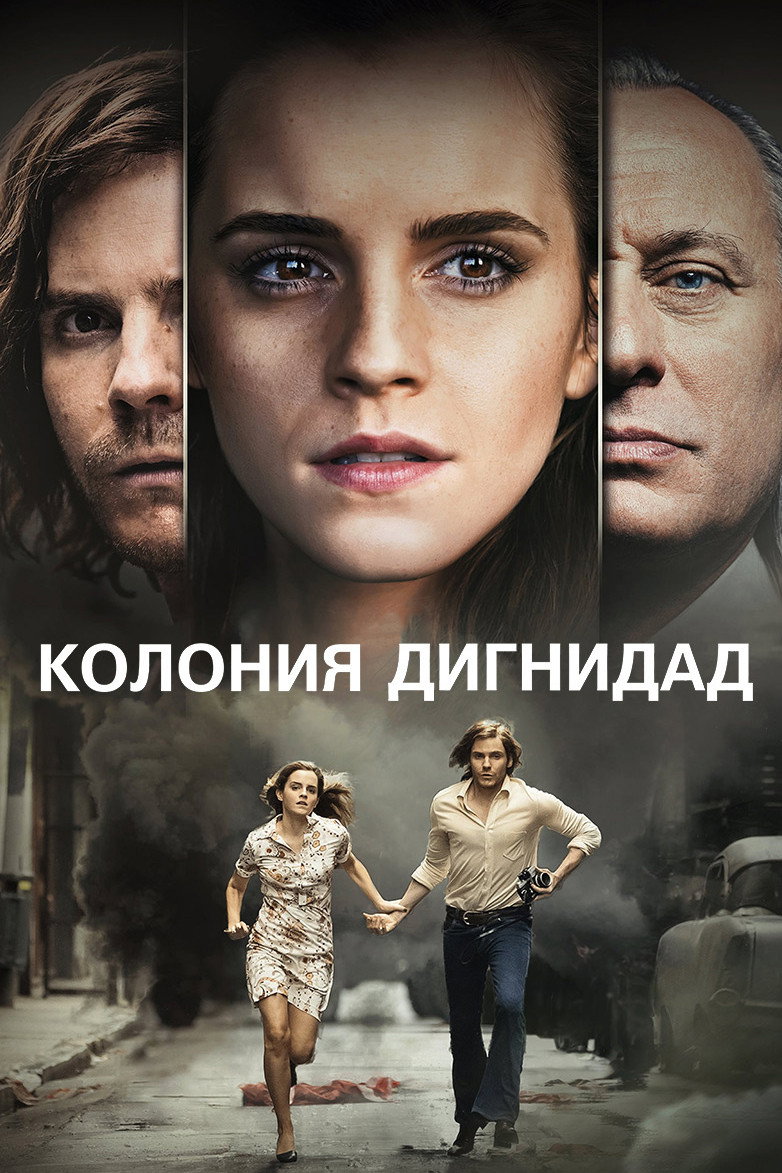
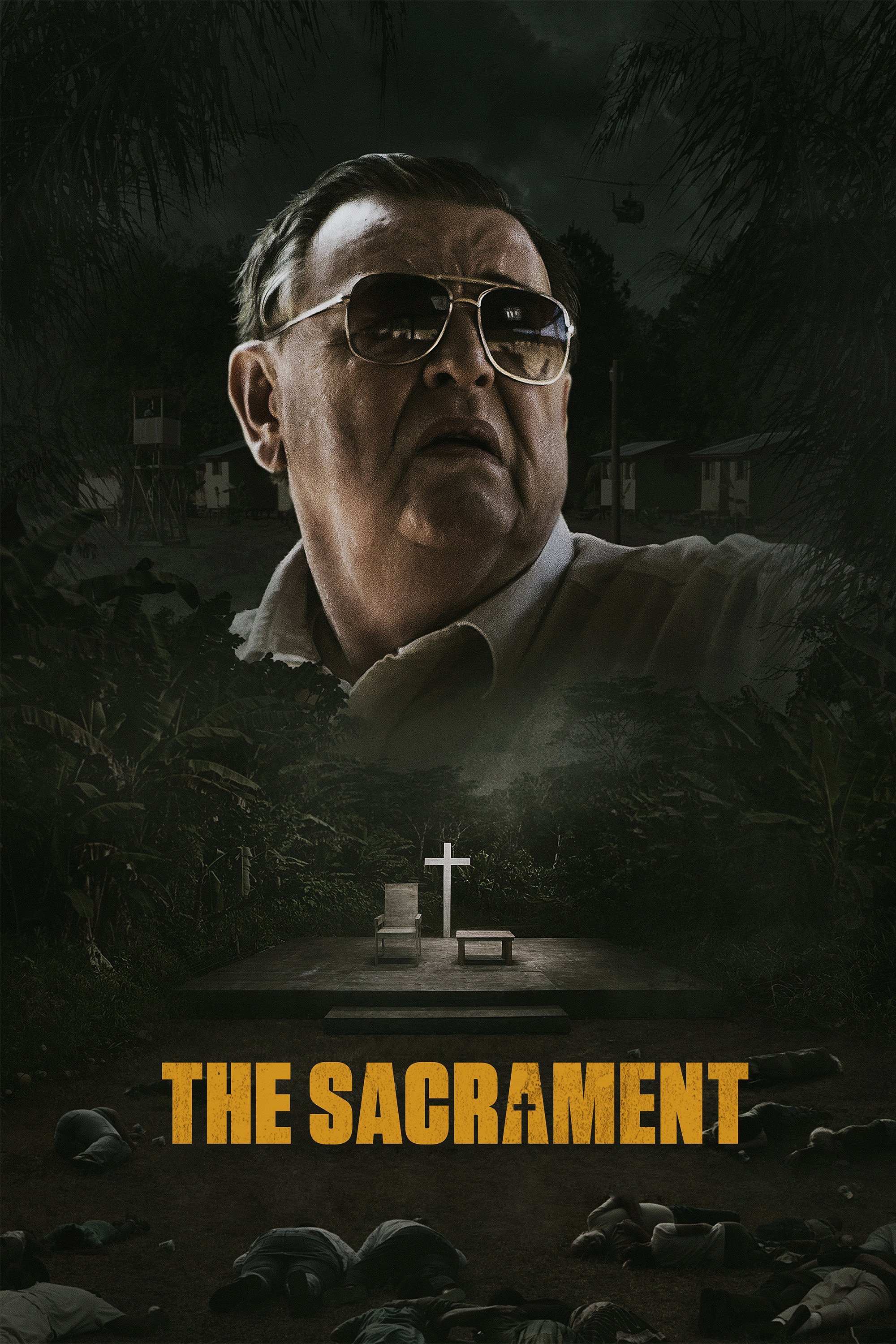
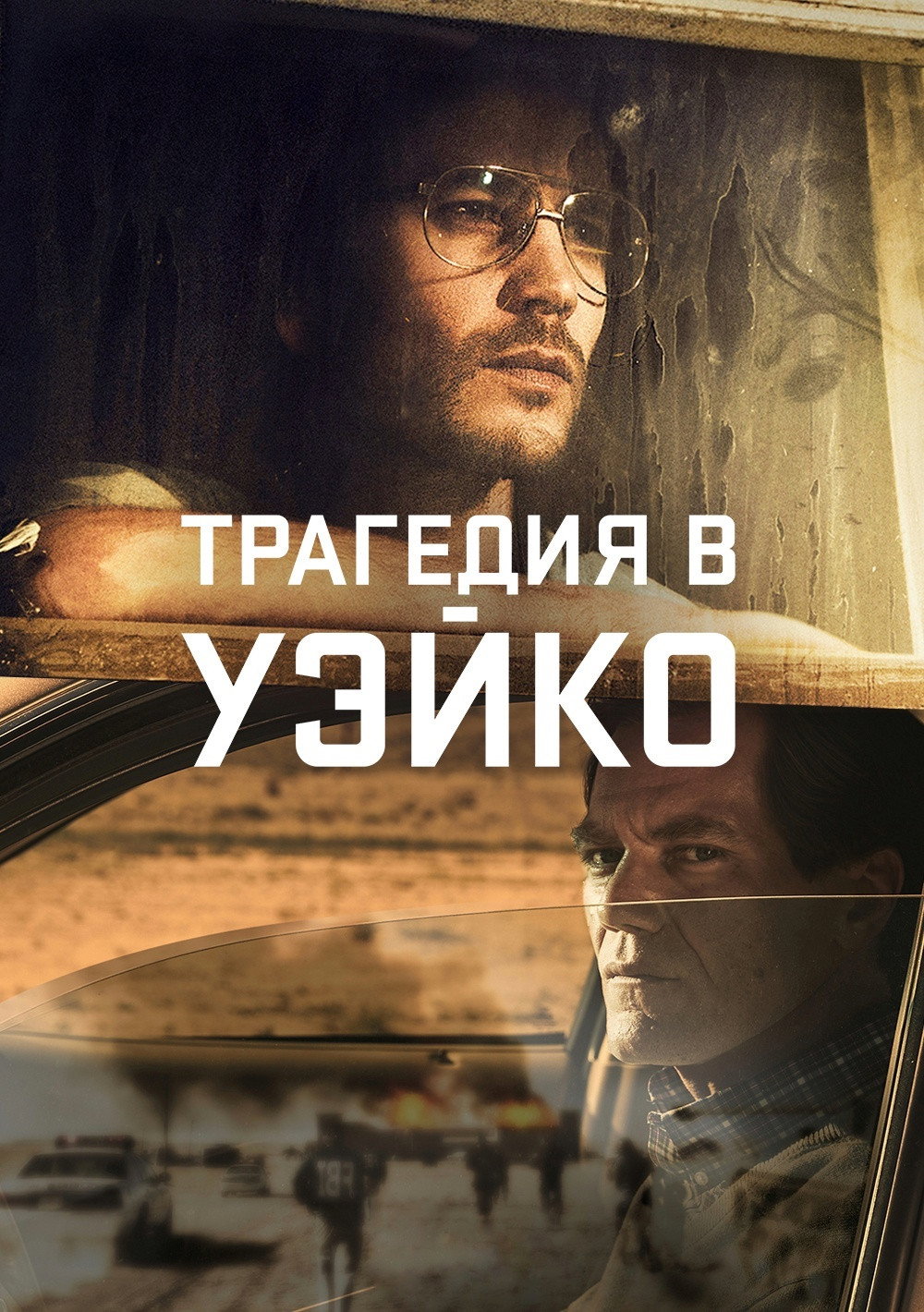
Several titles grew out of real cases. Colonia drops you inside a Chilean settlement no one left alive; the Waco miniseries walks through the 1993 siege and the logic of both sides; The Sacrament retells Jonestown almost beat for beat. Even The Master leans on early Scientology without naming names. These stories don't scare you with invention: they scare you because it all happened, and thousands of people once believed the man who promised salvation.
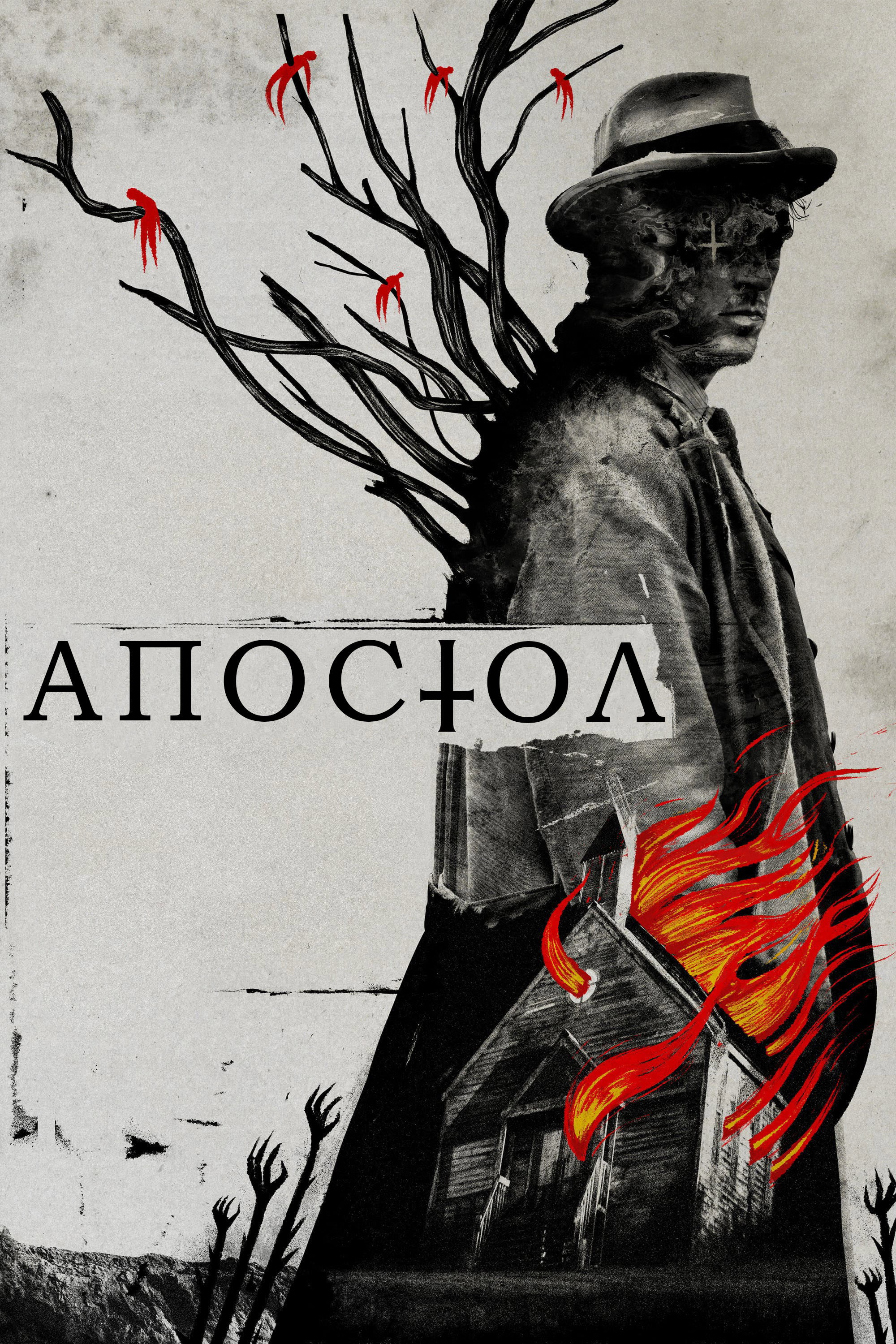
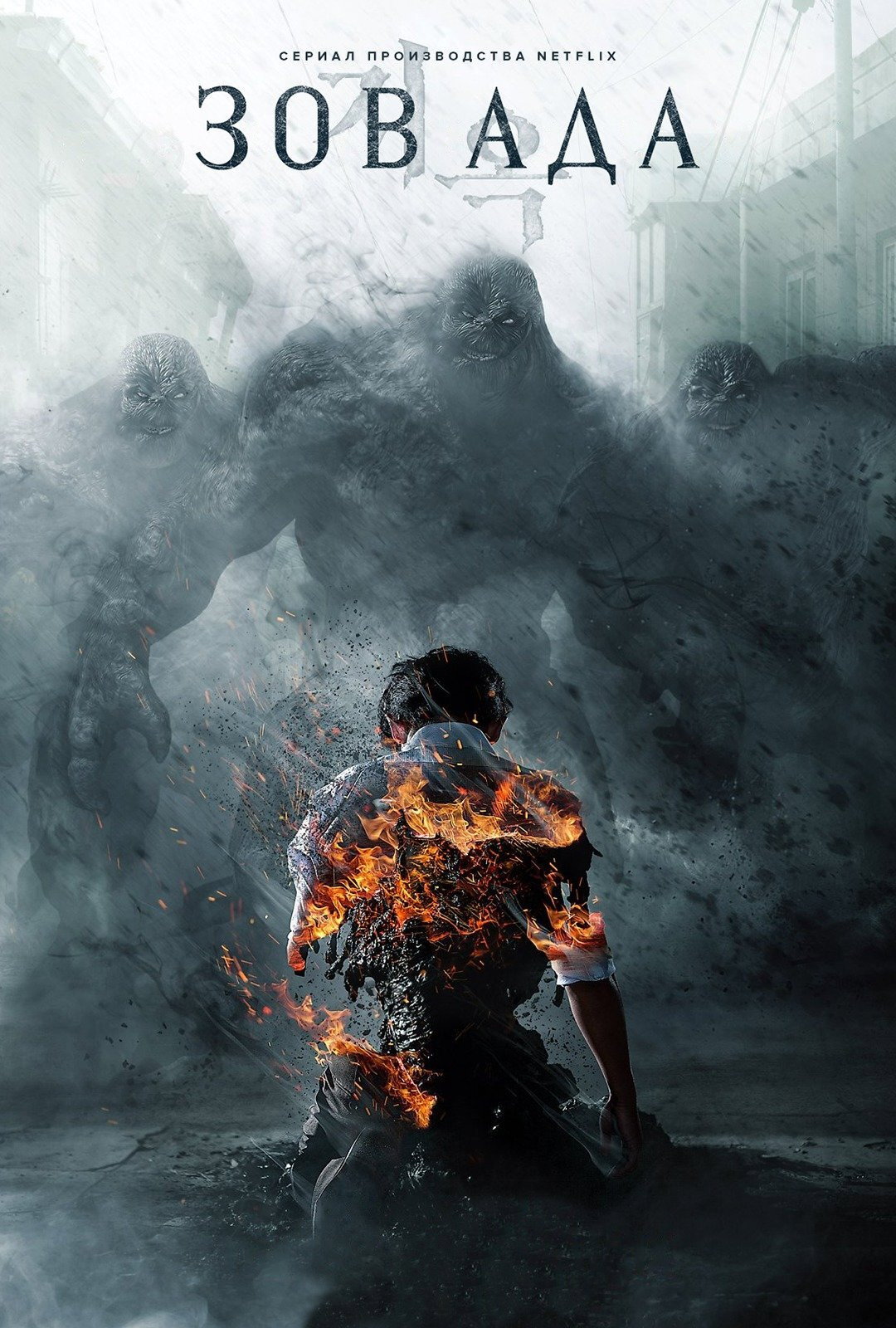
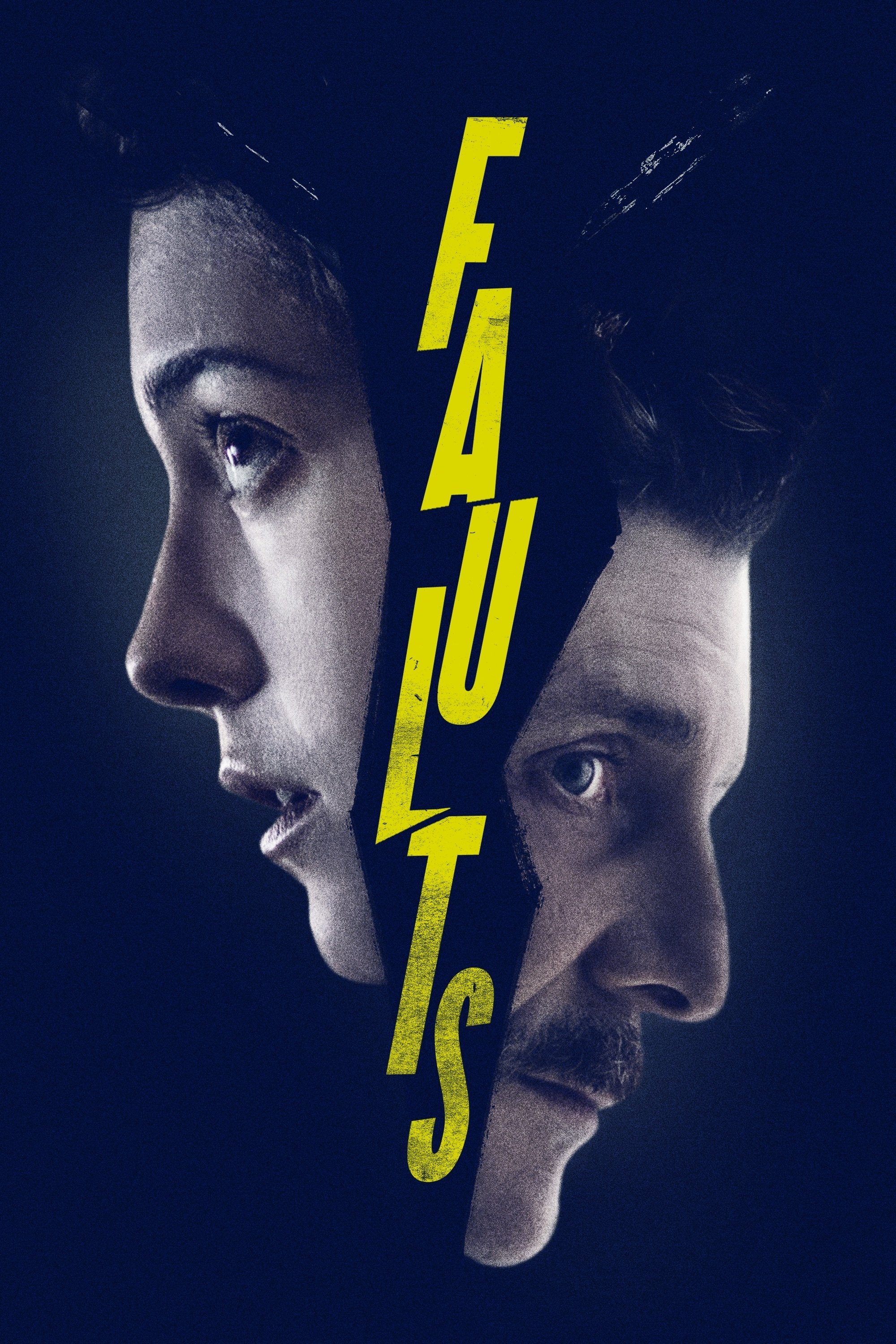
There is brutal folk horror (Apostle), the cosmic haze of The Endless, and the Seoul megachurch of Hellbound: religious cults and homemade ones, backwater and metropolis. A whole thread is about getting out: Faults watches a deprogrammer at work, The Other Lamb follows a flock of women under one shepherd, and both remember that the exit costs more than the entrance. Put one on alone, late at night, when you want a film that leaves you quietly re-reading your own beliefs, grateful the door is still open.
Yes. Colonia, the Waco miniseries and The Sacrament all draw on real cases, and The Master is inspired by early Scientology.
For outright horror, Midsommar and Apostle; for slow, psychological dread, Martha Marcy May Marlene and The Invitation.
On film the line blurs: both are closed groups built around a leader and one only truth. The list has religious cults and homemade communes alike.