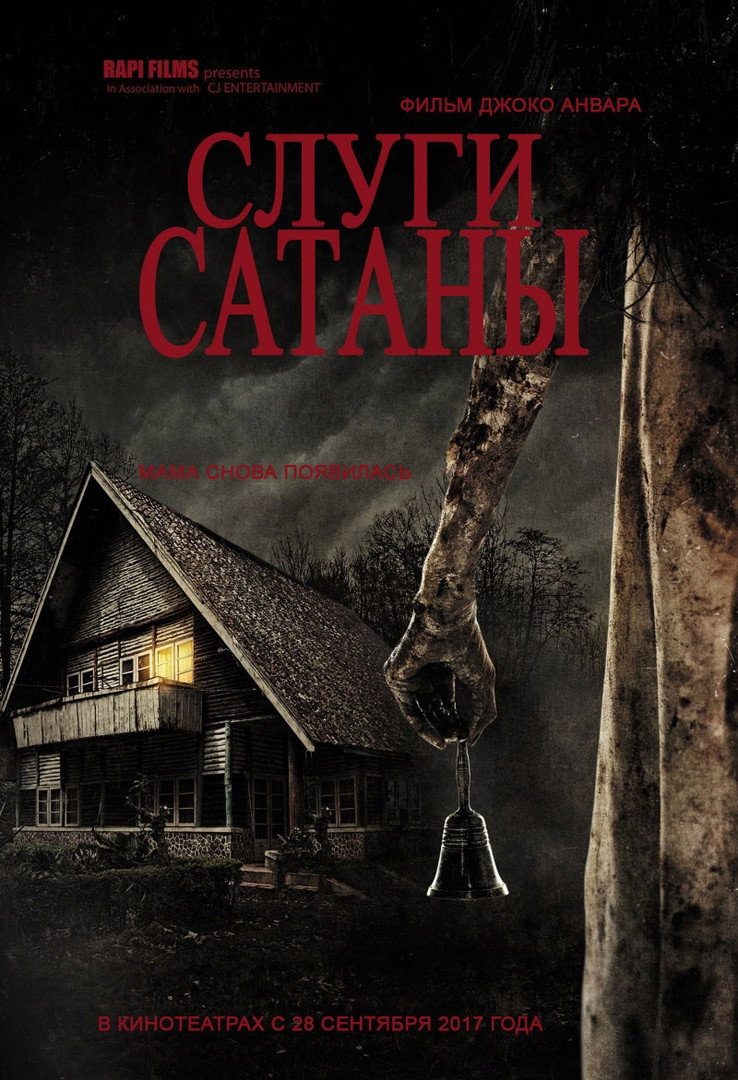
Satan's Slaves
Indonesian horror movies to stream offer what Western fright films don't: the black magic of santet, dukun witch doctors, bloodline curses, and spirits summoned by name. This is cinema that scares through ritual and inevitability rather than a chase — and over the past years it has become one of Asia's most striking genre waves.
We've gathered the proven classics and the newest premieres: Joko Anwar's «Satan's Slaves» and its sequel «Communion», the folkloric «Impetigore», Timo Tjahjanto's bloody «May the Devil Take You» duology, «The Queen of Black Magic», the slasher «Macabre», and the box-office smash «Dancing Village». Inside you'll find mysticism, dark sorcery, village curses, and urban ghost stories, spanning 2009 to fresh 2025 releases.
If you want a genuinely unsettling night with an unfamiliar mythology instead of another haunted house, pick any title and keep the lights on.

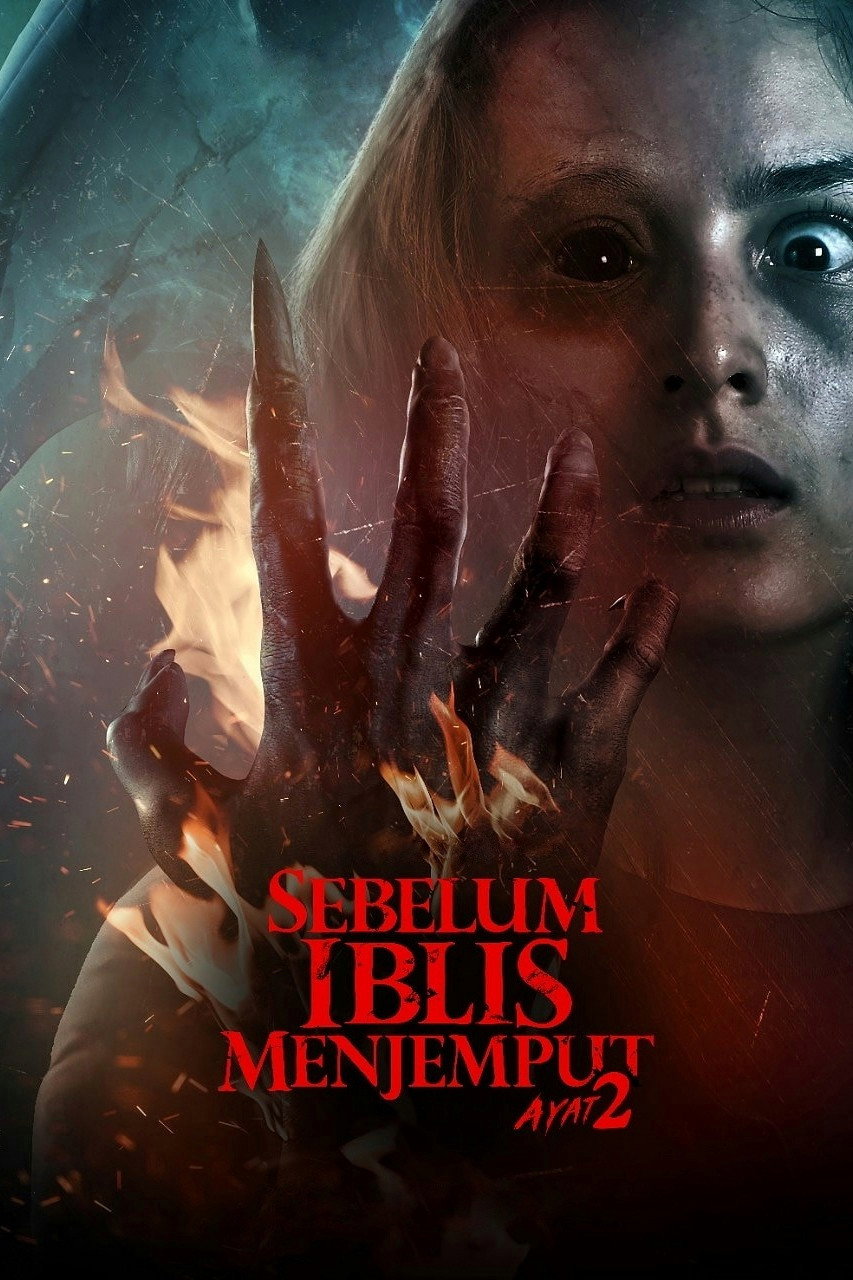
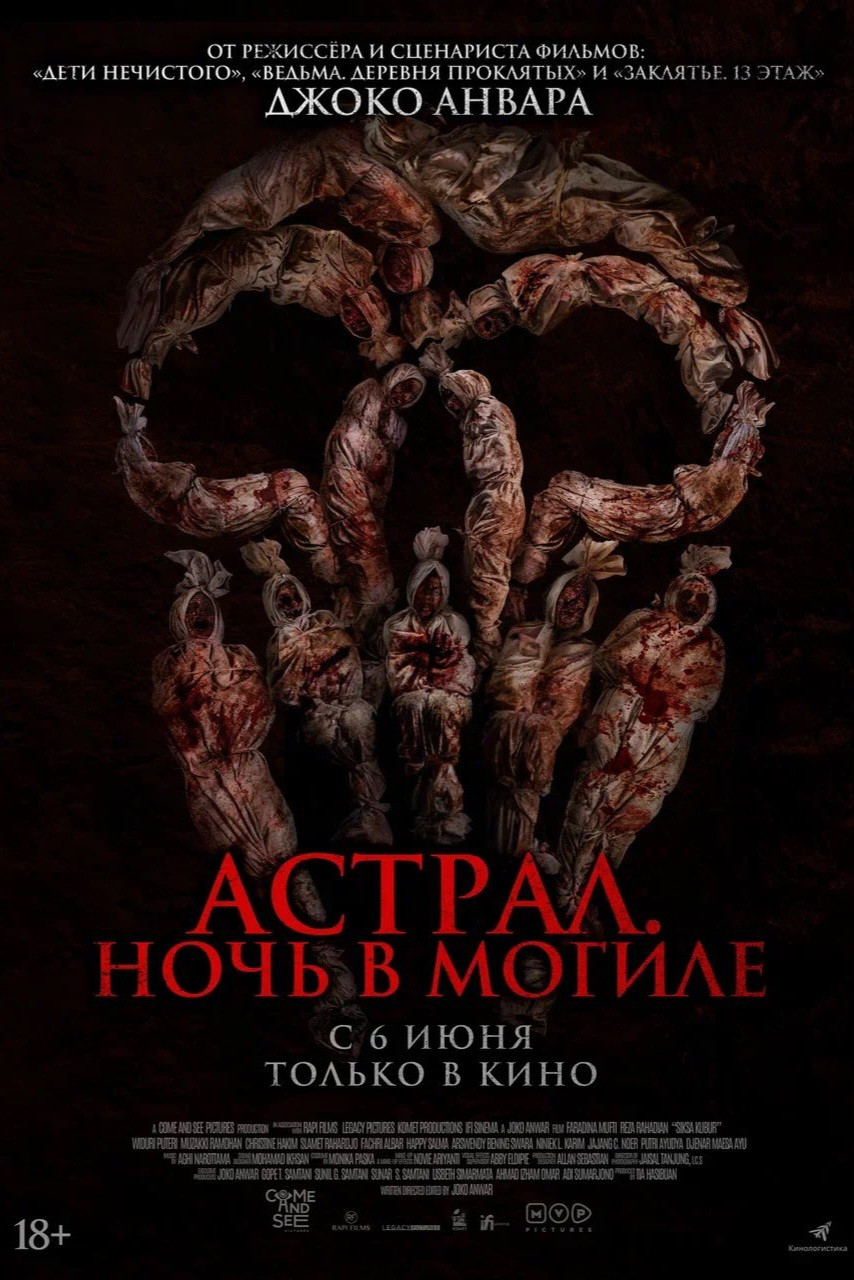
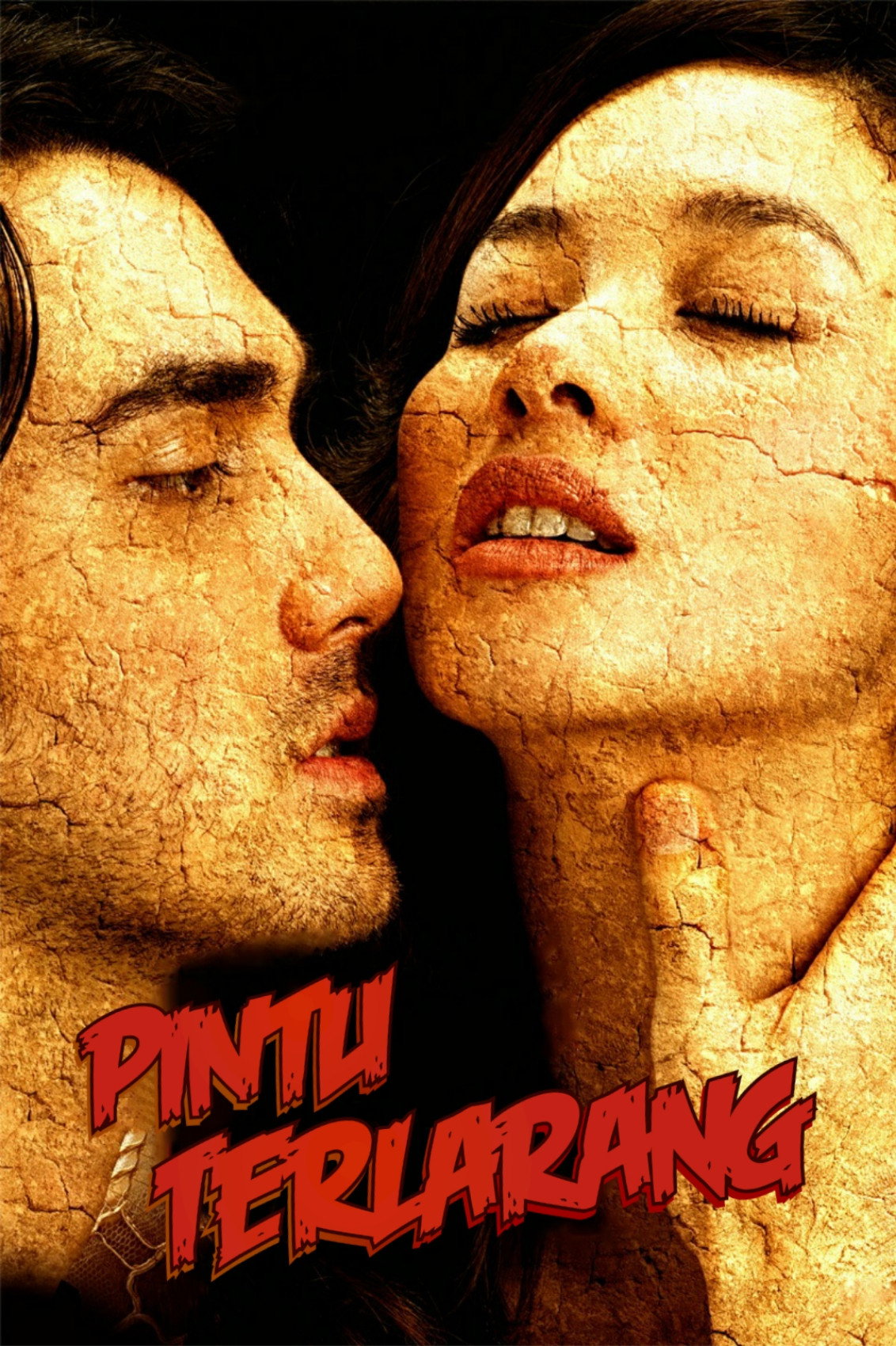
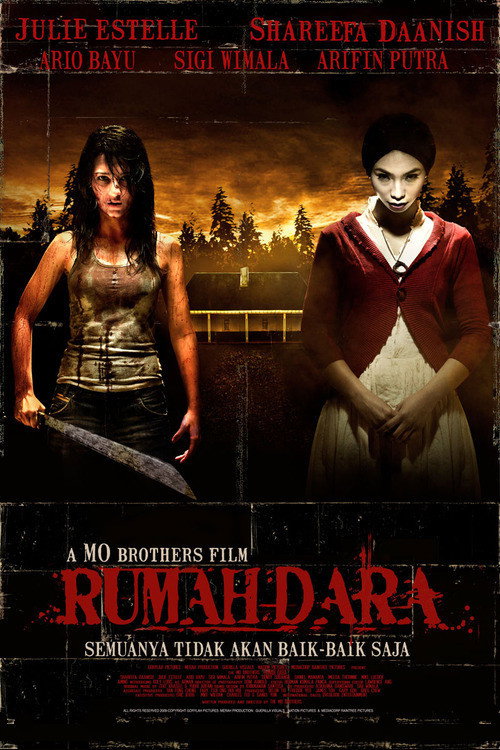

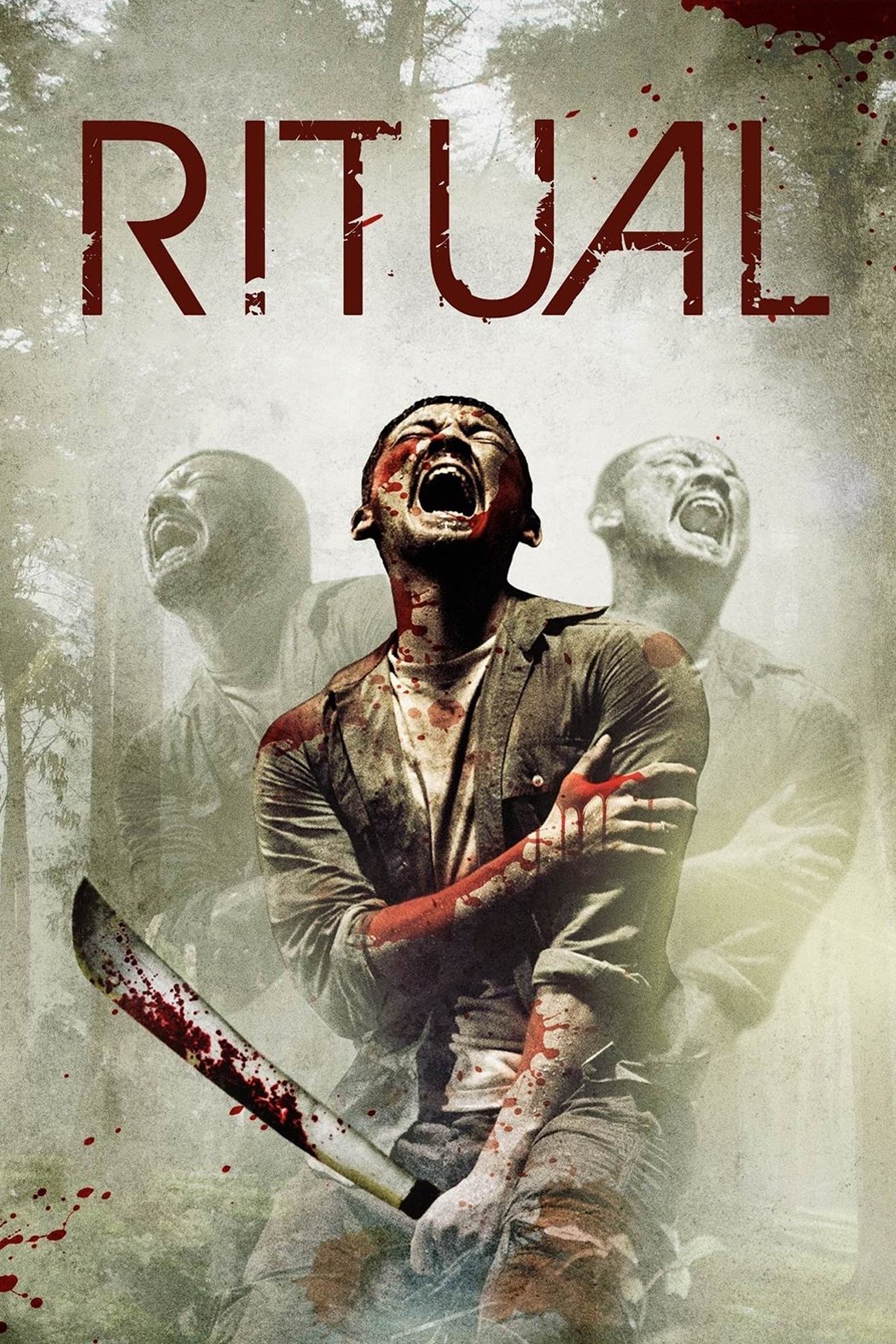
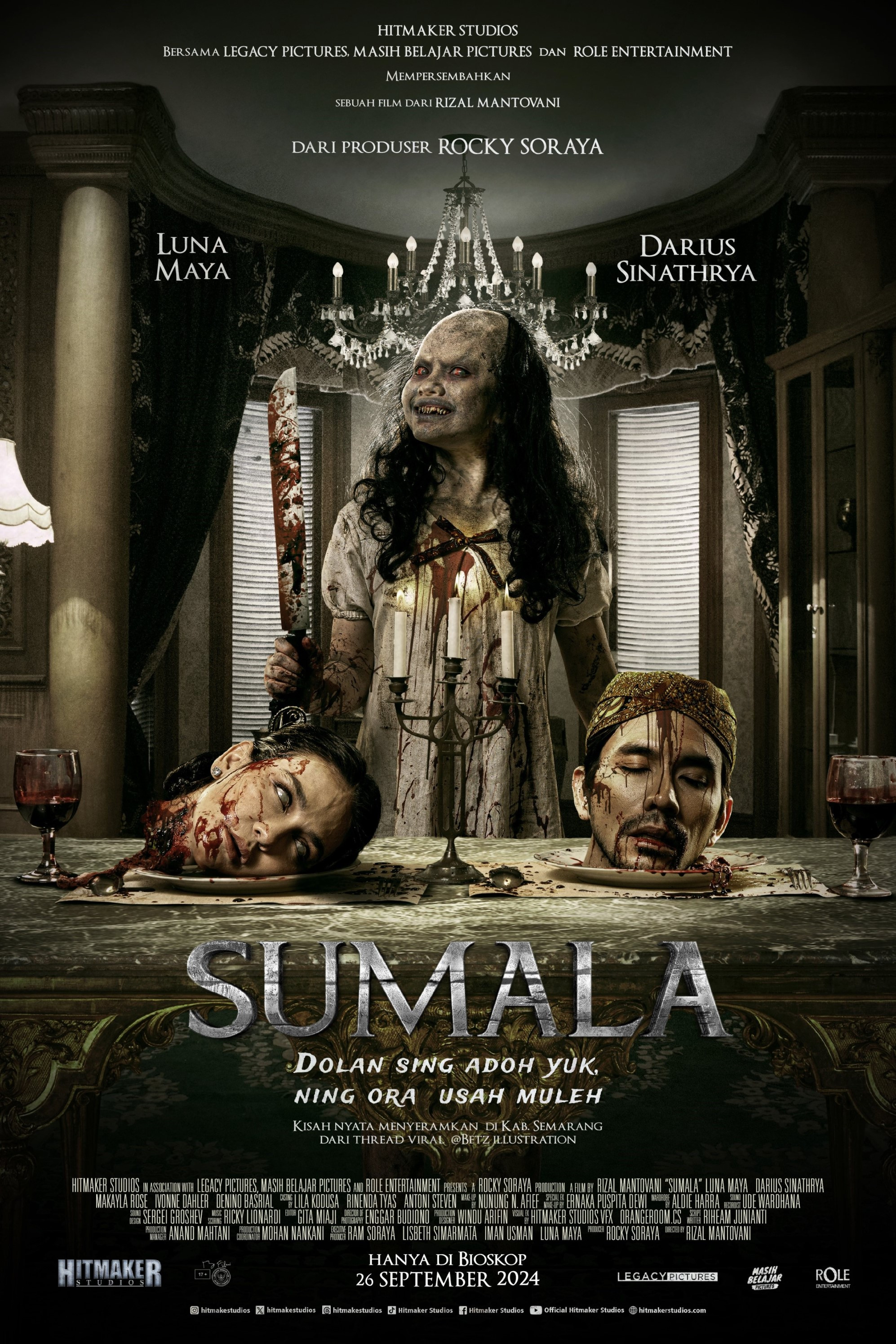
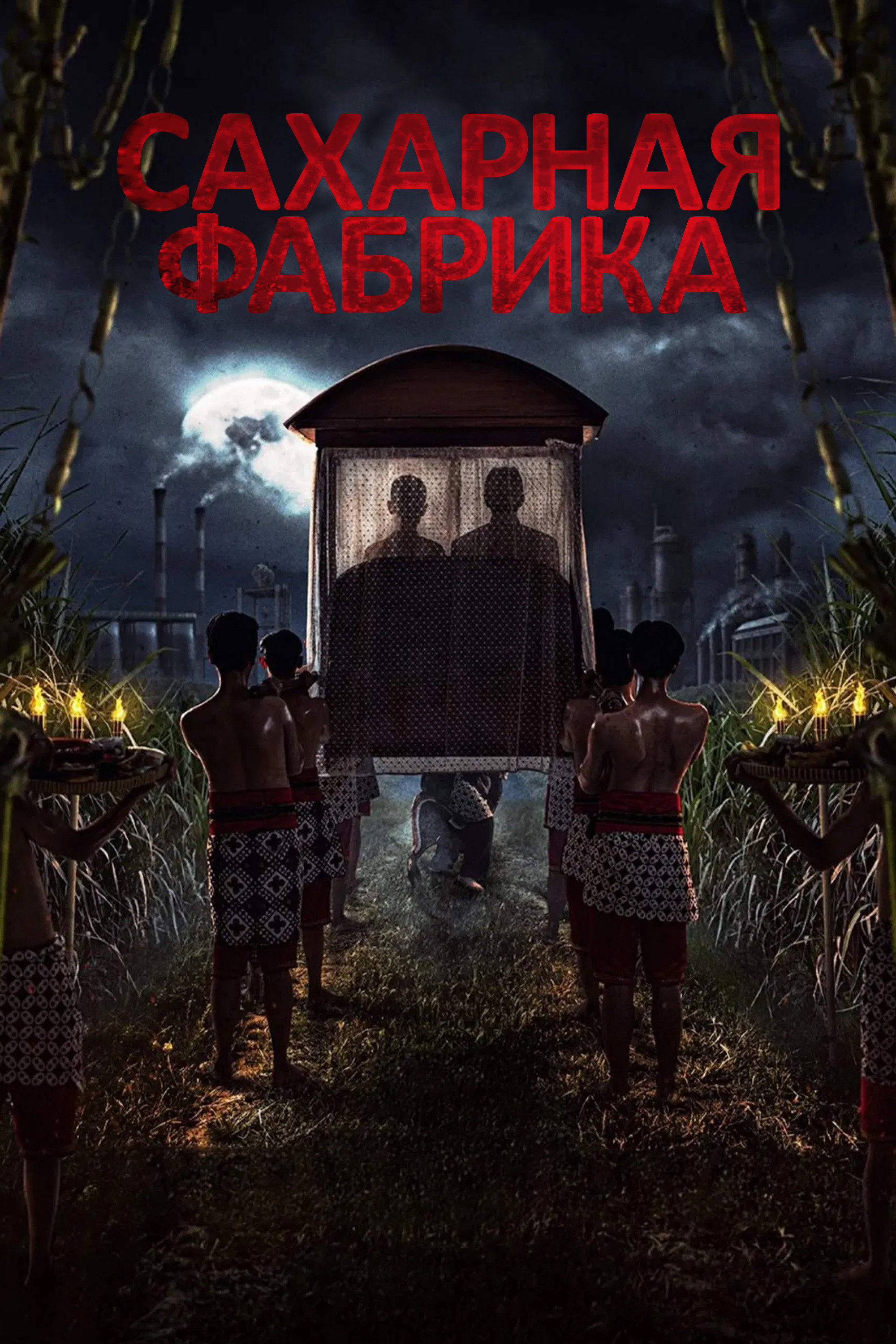
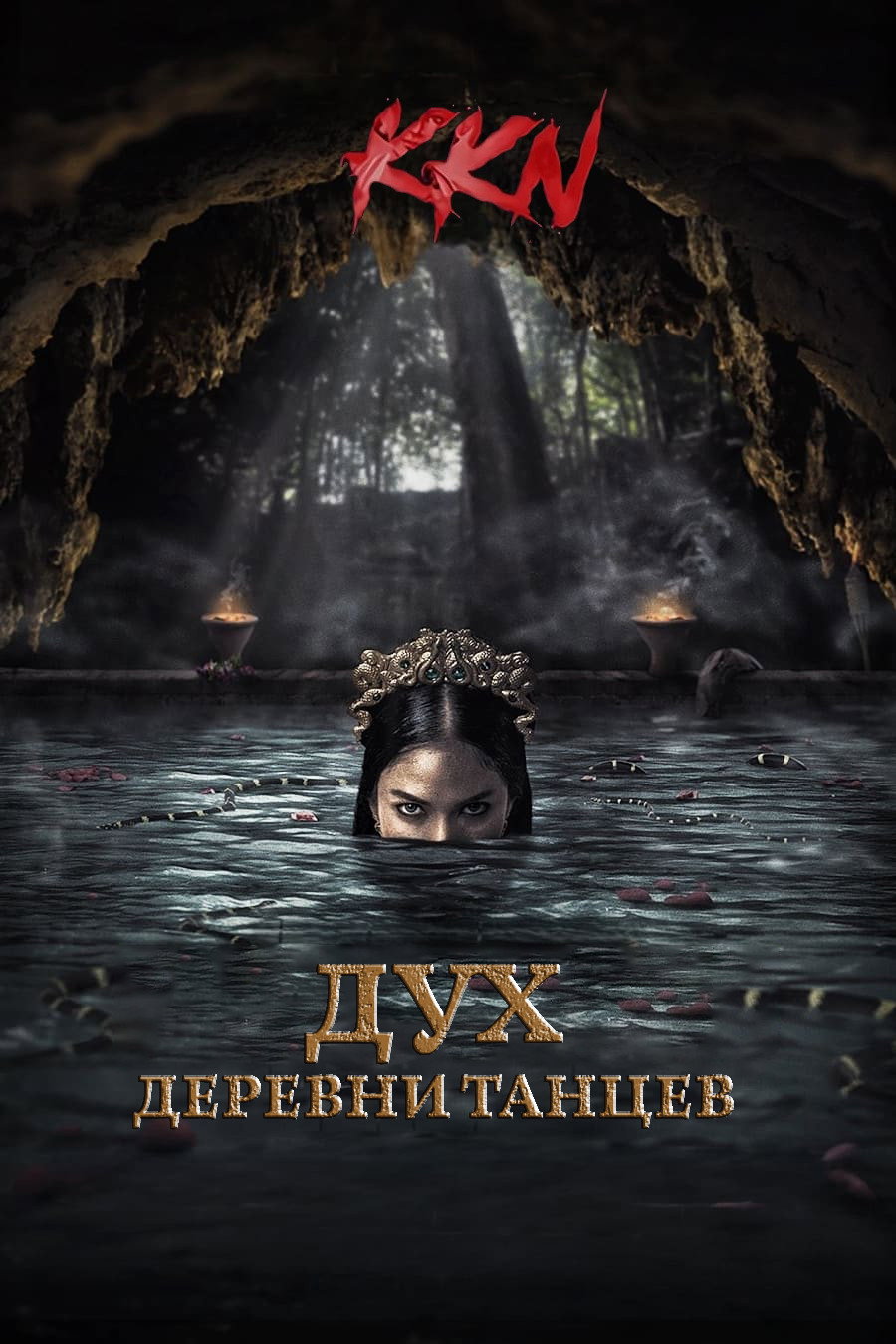
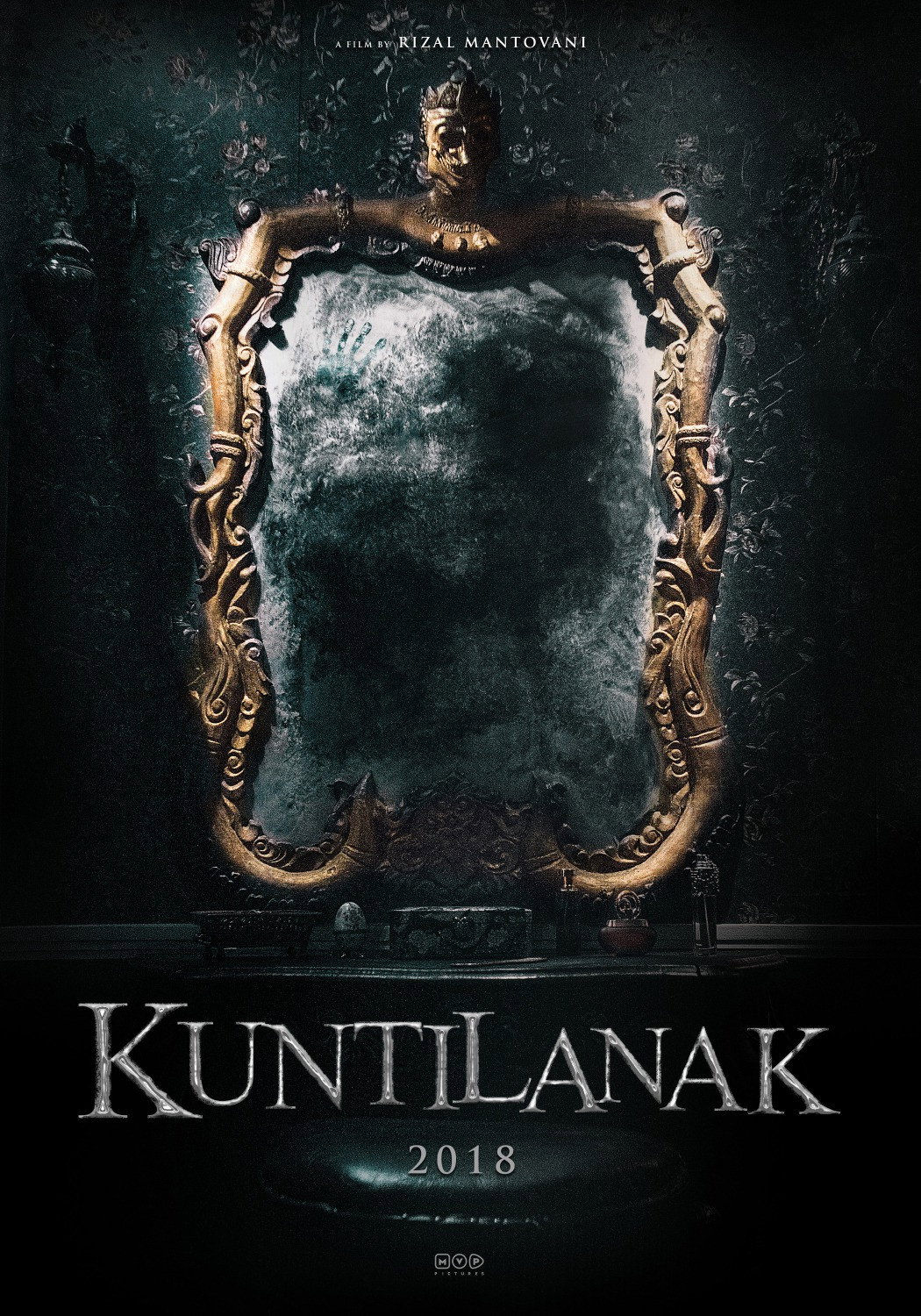
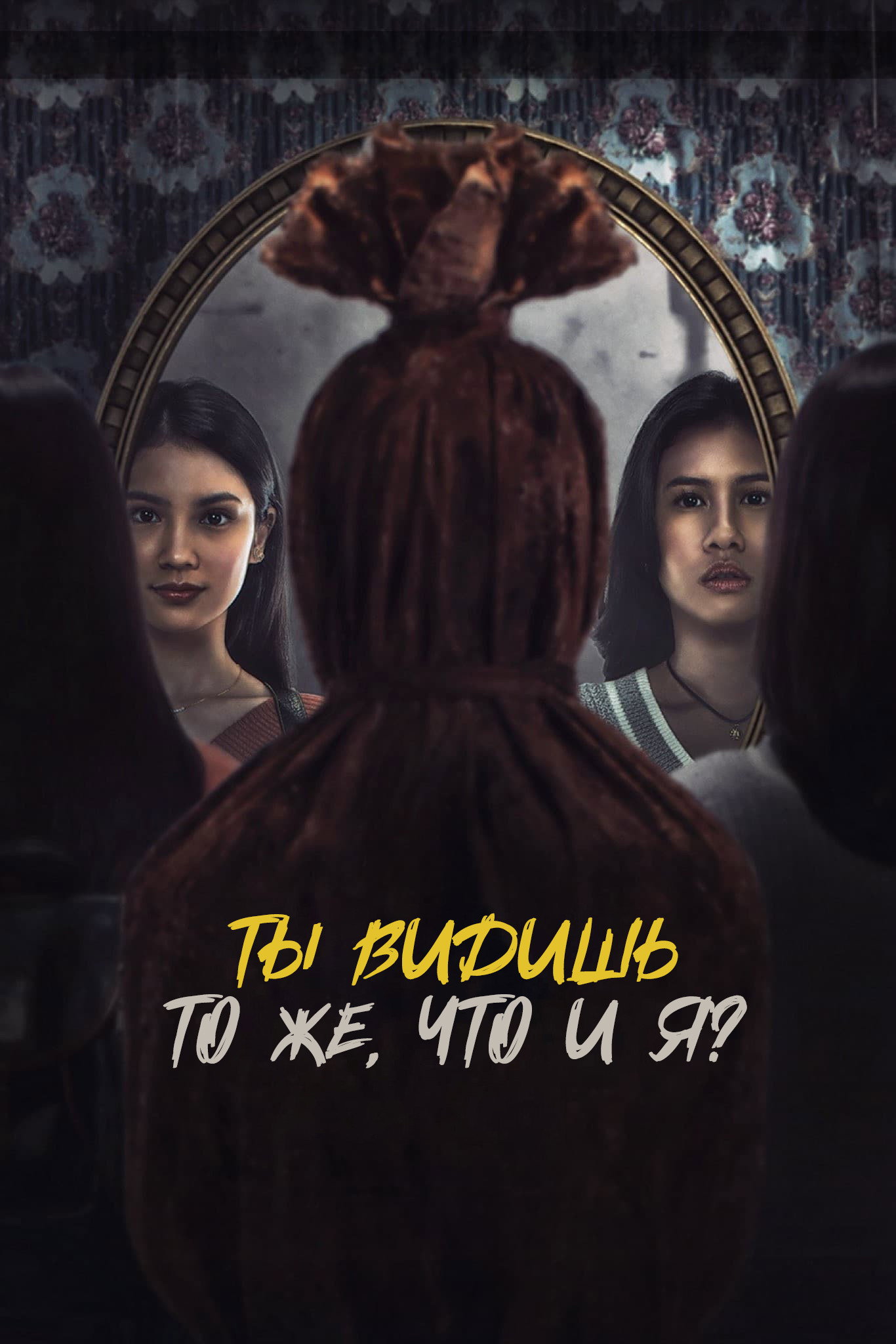
Indonesian horror rarely scares you with a masked killer. The dread comes from what you can't see: a pact with dark forces, a bloodline curse, a spirit summoned by its name. This cinema didn't grow from Hollywood templates but from a living belief in dukuns (witch doctors), the black magic of santet, and folk creatures like the kuntilanak. Even a familiar haunted-house plot feels heavier here, and far less forgiving.
For most newcomers the entry point is Joko Anwar's «Satan's Slaves» (2017). A family buries their mother, and she keeps coming back: a ritual that seemed like a formality turns out to hide a pact with a cult. The film was a hit, spawned the sequel «Communion», and pushed Indonesian horror onto global streaming. Beside it stands «Impetigore», a slow, textured nightmare about the price a whole village pays.
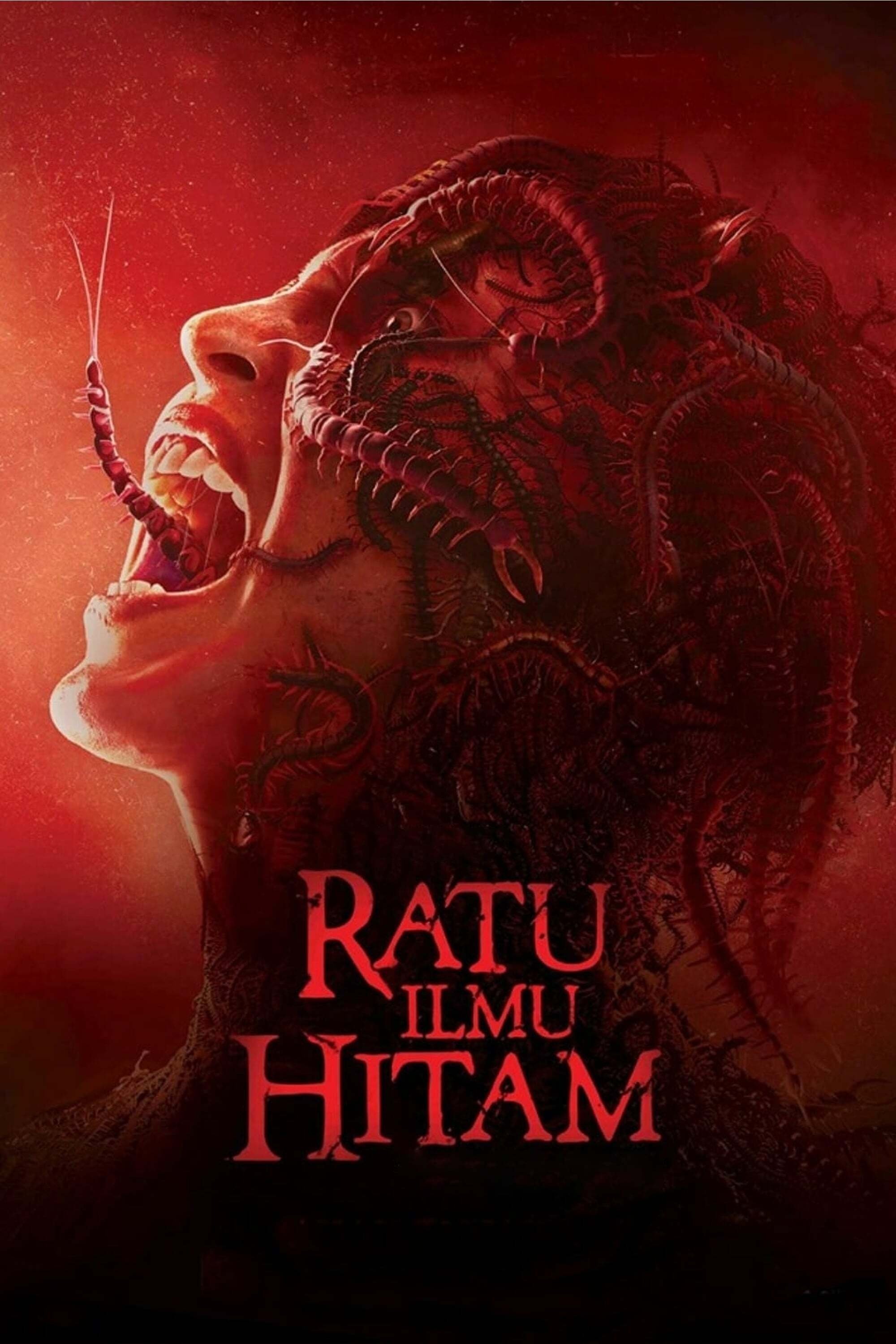
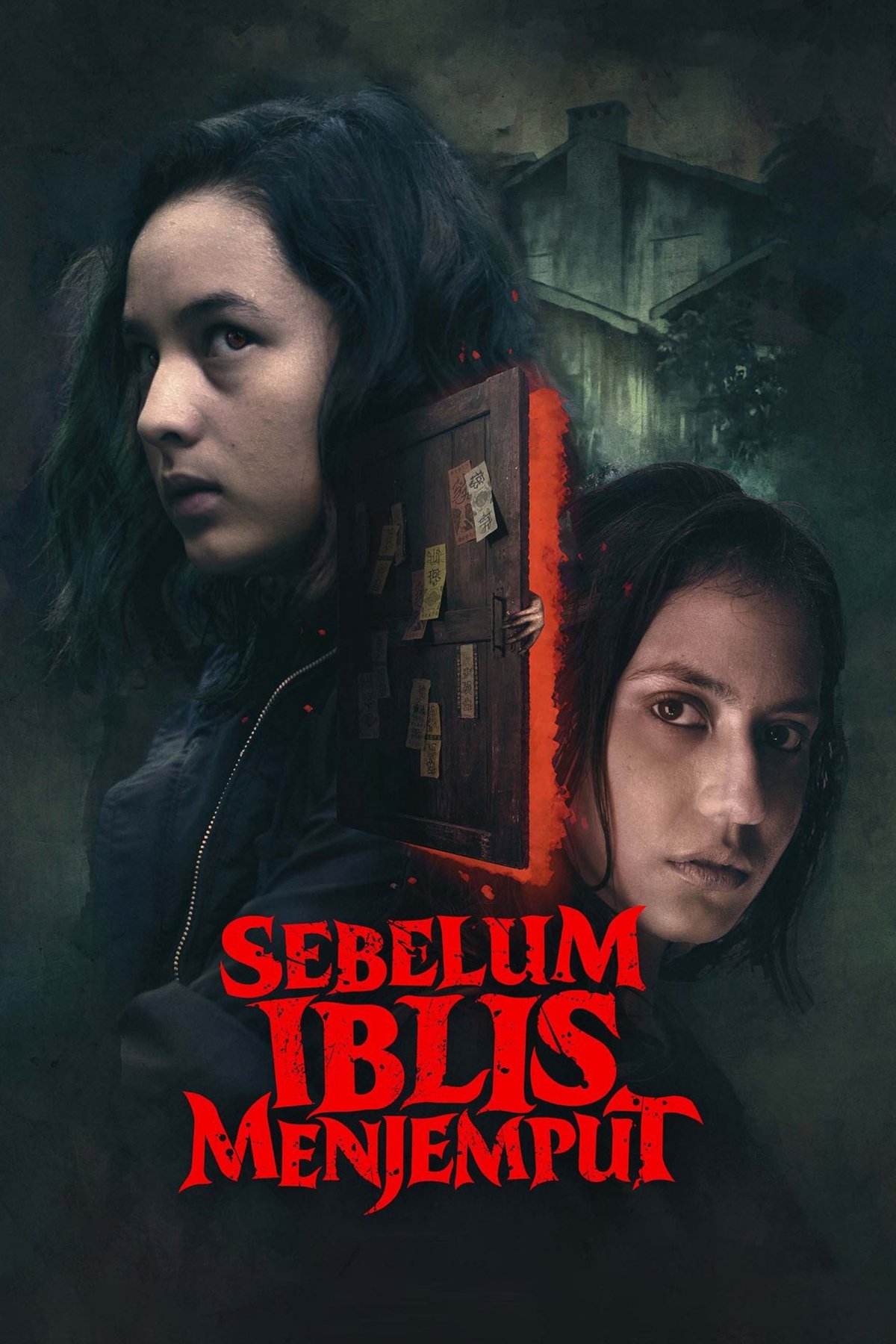
Loud jump scares are rare. The real engine is ritual: a muttered incantation, soil from a grave, a doll with its mouth sewn shut. Timo Tjahjanto's «May the Devil Take You» duology adds brutal gore to the mysticism, «The Queen of Black Magic» traps its characters in an orphanage with old debts, and «Macabre» proved back in 2009 that Indonesians can shoot a clean, merciless slasher too. Recent titles like «Sumala» and «Sugar Mill» show the wave isn't fading; strong new films arrive every year.
Many plots draw on real folk beliefs rather than a writer's invention, and that authenticity reads even without local context. A dukun who curses for money, a body-washing rite, a forbidden room in an old house — everyday culture for an Indonesian, exotic and unsettling for the rest of us. Joko Anwar and the Tjahjanto brothers stage it with restraint, never as cheap spectacle, which is exactly why Western critics and festivals keep paying attention.
To grasp the genre in one evening, begin with «Satan's Slaves» — it's the calling card. If you love folklore and curses, try «Impetigore» or the box-office phenomenon «Dancing Village: The Curse Begins». Ready for blood — «May the Devil Take You». Every film here streams online, and almost none lean on big stars; what you get instead is the signature atmosphere that draws people to Indonesian horror in the first place.
The genre benchmarks are Joko Anwar's «Satan's Slaves» and its sequel «Communion», plus «Impetigore» and Timo Tjahjanto's «May the Devil Take You» duology.
It is built on real folk beliefs — the black magic of santet, dukun witch doctors, and bloodline curses — so it frightens through ritual and atmosphere rather than jump scares and chases.
Begin with «Satan's Slaves», the calling card of the genre. For folklore, try «Impetigore» and the box-office hit «Dancing Village: The Curse Begins».